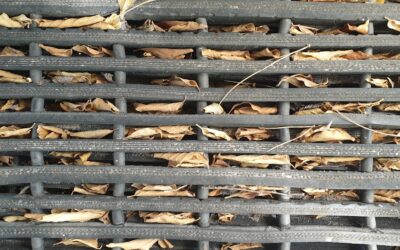
If you are tired of climbing a ladder every fall to scoop soggy leaves out of your gutters, mesh gutter guards promise to end that chore by covering the trough with a fine screen that lets rainwater through while keeping debris out. They are one of the most effective guard styles on the market, but not all mesh is created equal, and the price range is wide enough that it pays to understand what you are buying. Here is a straight look at how they work, what they cost, and whether they deliver.
Part of our Roofing guide — explore the full guide →
- How Mesh Gutter Guards Work
- Micro-Mesh Versus Standard Screen
- What Materials Last
- Real Costs
- Installing Mesh Guards Yourself
- Do They Actually Eliminate Cleaning?
- The Real Benefits
- Downsides to Weigh
- Mesh Versus Other Guard Styles
- Choosing a Reputable Product or Installer
- Are Mesh Gutter Guards Worth It?
How Mesh Gutter Guards Work
A mesh guard is a screen that mounts over the top of your gutter. Rainwater passes through the tiny openings and flows into the trough, while leaves, twigs, pine needles, and shingle grit ride over the top or dry out and blow away. The finer the mesh, the smaller the debris it blocks. Standard screen guards stop leaves but let smaller particles through, while micro-mesh, with openings measured in the range of 50 microns or so, blocks even fine material like pine needles, seed pods, and roof sand.
Micro-Mesh Versus Standard Screen
The single most important distinction is mesh fineness.
- Standard screen guards: Larger holes, usually aluminum or plastic. They stop leaves and big debris but allow shingle grit and pine needles through, which can still clog over time. Cheaper and easier to DIY.
- Micro-mesh guards: Stainless steel mesh over a rigid frame with openings fine enough to block nearly everything but water. The best defense against pine needles and fine grit, and the style most professional installers recommend, though it costs more.
If you have pine trees, oak with its small debris, or maple seed pods nearby, micro-mesh is worth the upgrade. For occasional large leaves only, a quality standard screen may suffice.
What Materials Last
Material quality drives longevity. Stainless steel micro-mesh resists rust and holds its shape for decades, which is why premium guards use it. Aluminum frames won’t rust either and are common in mid-tier products. Avoid all-plastic guards for anything but the shortest-term fix; they grow brittle under UV exposure, sag in heat, and crack in cold within a few years. The combination of a stainless mesh on an aluminum or powder-coated steel frame is the durable sweet spot.
Real Costs
Prices span a huge range depending on material and whether you install them yourself.
- DIY standard screen or basic mesh: $1 to $4 per linear foot in materials from a home center.
- DIY quality micro-mesh: $3 to $8 per linear foot.
- Professionally installed micro-mesh: $6 to $15 per linear foot, sometimes more for premium branded systems with warranties.
An average home has roughly 150 to 200 linear feet of gutter. That puts a DIY micro-mesh project around $450 to $1,600 in materials, while professional installation of a premium system commonly runs $2,000 to $4,000 or higher. The big brand-name systems with lifetime, no-clog warranties sit at the top of that range.
Installing Mesh Guards Yourself
Many mesh guards are DIY-friendly, which saves a large chunk of the cost. The mounting method varies: some snap into the front lip of the gutter and tuck under the first row of shingles, others screw directly to the gutter’s front edge, and some clip on with no fasteners. Whatever the system, clean the gutters thoroughly first, because installing guards over existing debris just seals the mess inside.
Work in manageable sections, keep the mesh sloped so water sheets toward the trough, and make sure seams between panels overlap in the direction of water flow so nothing lifts. Be cautious about any product that requires sliding the panel under your shingles; forcing it can lift or damage the roofing and, in some cases, void a roof warranty. If your roof is steep or high, this is a job where hiring out is the safer call despite the cost.
Do They Actually Eliminate Cleaning?
Here is the honest answer: mesh guards dramatically reduce cleaning, but no guard is truly maintenance-free. Fine debris, pollen, and roof grit can accumulate on top of the mesh, and in heavy pollen season or under certain trees the surface may need an occasional rinse or brush so water keeps flowing through. Micro-mesh performs best here, but even the premium systems benefit from a light annual once-over. What guards reliably do is stop the deep, wet, clogging piles that block downspouts and cause overflow, which is the failure mode that actually damages homes.
The Real Benefits
Beyond skipping the ladder, gutter guards protect your home in ways that matter. Clogged gutters overflow, sending water down foundations where it causes leaks and settling, and they hold standing water that breeds mosquitoes and can rot fascia boards. In cold climates, clogged gutters contribute to ice dams. By keeping water flowing to the downspouts, mesh guards protect your foundation, siding, and fascia, and they reduce the fire risk from dry leaves collecting in gutters in wildfire-prone regions, where fine stainless mesh is often recommended specifically for ember resistance.
Downsides to Weigh
Guards are not a cure-all. Micro-mesh can be defeated by very heavy rain if the mesh gets partially coated with grime, causing water to sheet over the edge, which is why keeping the surface clean still matters. Cheap guards sag, pop off, or funnel water past the gutter. And the upfront cost of a quality professional installation is significant. Weigh that against years of paying $150 to $300 per cleaning, plus your own time and ladder risk, and for many homeowners with lots of trees the math favors guards.
Mesh Versus Other Guard Styles
Mesh is one of several guard designs, and understanding the alternatives clarifies why it is often the top pick. Reverse-curve or surface-tension guards, the kind many big-name systems use, rely on water clinging around a curved nose while debris falls off; they work but can be pricey and sometimes let water overshoot in heavy rain. Foam inserts sit inside the gutter and block debris but degrade, clog, and grow gunk over a few years, making them a poor long-term value. Brush guards, essentially large pipe-cleaner bristles, are cheap and easy but trap fine debris in the bristles and need regular clearing.
Against those, mesh, and especially micro-mesh, offers the best combination of fine filtration, durability, and consistent water intake. Its main rival for the top spot is a well-designed reverse-curve system, and the choice between them often comes down to budget, roof type, and installer preference. For most homeowners doing their own research, quality stainless micro-mesh represents the strongest balance of performance and value.
Choosing a Reputable Product or Installer
Because gutter guards range from $2 hardware-store screens to $4,000 branded systems, it pays to shop carefully. If going DIY, favor rigid stainless micro-mesh over flimsy plastic and read reviews about how the mesh handles pine needles and heavy rain. If hiring out, get multiple quotes, ask exactly what mesh gauge and frame material they use, and read the warranty closely, since many no-clog guarantees have fine print about maintenance, tree types, and what counts as a covered failure. Be wary of high-pressure sales tactics common in this industry; a good product sells on its specs, not a same-day discount that vanishes if you think it over. Confirming the installer will clean and inspect your gutters before installing, and that the guard won’t void your roof warranty, protects your investment.
Are Mesh Gutter Guards Worth It?
For homes surrounded by trees, especially pines, mesh gutter guards, and micro-mesh in particular, are usually worth the investment. They slash cleaning frequency, protect the foundation and fascia from overflow, and pay for themselves over years of avoided cleanings and water damage. Choose stainless micro-mesh on a rigid frame, install it over clean gutters, and accept that a light annual rinse keeps them working their best. Match the mesh fineness to your specific tree debris, and you will spend far fewer weekends on a ladder.