Few things are as quietly maddening as a kitchen cabinet that drifts open every time you walk away. When a cabinet door won’t stay closed, the problem is almost always mechanical and fixable in under an hour. The usual culprits are tired self-closing hinges, screws that have stripped out of the particleboard, a cabinet box that is no longer level, or a soft-close mechanism that has lost its damping. In many cases, a simple catch or magnet finishes the job.
Part of our Kitchen Remodeling guide — explore the full guide →
Start by watching what the door does. If it swings open on its own, gravity is pulling it because the cabinet is out of level or the hinge spring is weak. If it closes most of the way but stops an inch short, the hinge is binding, a screw is loose, or something inside is in the way. If it bounces back after closing, the soft-close piston or the hinge adjustment is off. Each of those clues points to a different fix, and the six fixes that follow cover nearly every case.
- Why a Cabinet Door Won't Stay Closed
- Tools and Materials
- Fix 1: Tighten and Adjust the Hinges
- Fix 2: Repair Stripped Screw Holes
- Fix 3: Replace Worn Self-Close Hinges
- Fix 4: Level the Cabinet Box
- Fix 5: Deal With a Failed Soft-Close Piston
- Fix 6: Add a Catch or Magnet
- Troubleshooting Quick Reference
- Cost to Fix a Cabinet Door
- When to Call a Pro
- Frequently Asked Questions
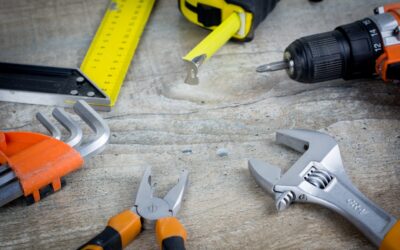
You will need nothing more than a screwdriver for most of them. The only specialty items are replacement hinges, a catch, or wood filler for stripped holes.
Why a Cabinet Door Won’t Stay Closed
Modern cabinets mostly use concealed European-style hinges, the cup hinges hidden inside the door. They contain a spring that pulls the door shut during the last few inches of travel, and many include a soft-close damper that slows the final swing. Older or face-frame cabinets may use exposed self-closing hinges or simple hinges paired with a friction or magnetic catch.
When a cabinet door will not stay shut, something has disrupted that system:
- The hinge spring has weakened after years of use.
- Screws holding the hinge plate to the cabinet or the cup to the door have pulled loose.
- The cabinet box has shifted, so the door hangs crooked and gravity pulls it open.
- A soft-close piston has failed and now pushes the door back instead of easing it in.
- A catch or magnet has fallen off or slipped out of alignment.
- Something inside, like a shelf edge, a pan handle or a bulging drawer, blocks the door.
Before you reach for tools, clear the cabinet shelf near the door and close it again. It is surprising how often a cutting board leaning against the inside of the door is the entire problem.
Tools and Materials
- Phillips screwdriver, ideally a #2, by hand rather than a drill to avoid stripping
- Level, a small torpedo level works well
- Wood glue, wooden toothpicks or golf tees, or wood filler
- Utility knife
- Replacement soft-close cabinet hinges, matched to your existing hinge type
- Magnetic or roller catches, if adding one
- Composite or wood shims
Fix 1: Tighten and Adjust the Hinges
Open the door and look at the hinges. Concealed hinges have two to three screws on the mounting plate attached to the cabinet, two holding the cup to the door, and one or two adjustment screws on the hinge arm.
- Tighten all mounting screws by hand. Stop when snug; overtightening strips particleboard.
- Find the depth adjustment screw, usually the one closest to the cabinet wall or on a cam. Turning it moves the door in or out from the cabinet face. If the door is not reaching the frame, adjust it slightly inward.
- Use the side adjustment screw, usually closest to the door, to shift the door left or right so it does not rub the adjacent door or frame.
- Make quarter turns and test after each adjustment. Adjust both hinges evenly unless only one corner is out.
Often, a door that stops an inch short only needs a small depth adjustment so the hinge reaches the point where its spring takes over.
Fix 2: Repair Stripped Screw Holes
If a screw spins without tightening, the hole is stripped. This happens constantly in particleboard and MDF cabinet boxes. A loose hinge plate lets the door sag and swing open.
- Remove the screw.
- Dip two or three wooden toothpicks, a wooden golf tee or a short dowel in wood glue.
- Tap them into the hole and snap or cut them flush with a utility knife.
- Let the glue dry, ideally for an hour or longer.
- Drive the screw back in by hand.
For badly damaged holes, slide the hinge plate up or down slightly to fresh material if the hinge allows, or use a slightly longer screw of the same gauge, making sure it does not poke through the cabinet side. Two-part wood filler designed for holding screws is another option for crumbling particleboard.
Fix 3: Replace Worn Self-Close Hinges
Springs wear out. If the hinges are tight and adjusted but the door no longer snaps shut during the last few inches, the springs have lost tension. Replacement is straightforward:
- Note the hinge type: overlay (full, half or inset), the opening angle and the cup diameter, usually 35 mm for standard concealed hinges.
- Unclip or unscrew the hinge arm from the mounting plate, support the door and remove it.
- Unscrew the old cups from the door and press the new ones into the existing holes.
- Reattach the door to the mounting plates and adjust.
Soft-close cabinet hinges are a worthwhile upgrade at this point. They pull the door shut firmly and slow it in the last inch, which stops slamming and helps doors stay closed. Concealed hinges generally cost $3 to $15 each, with soft-close versions toward the upper end.
Fix 4: Level the Cabinet Box
When a door swings open by itself, set a level on top of the cabinet box and against its front edge. Base cabinets can tip as the floor settles, and wall cabinets can shift if a mounting screw loosens. Even a small tilt makes a door want to drift open.
For base cabinets, slip shims under the low side of the cabinet base until the box reads level. For wall cabinets, check that every mounting screw through the back rail is tight and anchored into studs. If a wall cabinet has pulled away from the wall, sagged noticeably or is loose on its mounting, do not just shim it. A heavy, full cabinet that falls can cause injury. Empty it and re-secure it into the studs, or call a carpenter.
Fix 5: Deal With a Failed Soft-Close Piston
Some soft-close systems use a separate small damper or piston mounted inside the cabinet frame, while others are built into the hinge. A worn damper might stick, push the door back open, or stop dampening altogether. Many built-in hinges have a small switch that turns soft-close on or off; check that it has not been bumped off. If one hinge has a damper and the other does not, the door can close unevenly; matching dampers on both hinges helps.
On tall or very light doors, two strong soft-close hinges can overpower the door and actually prevent it from closing fully. In that case, disabling one damper often fixes the bounce. Replace stand-alone pistons that leak or feel gritty; they are inexpensive.
Fix 6: Add a Catch or Magnet
When the hinges are not self-closing, or a door needs extra help, a catch holds it shut. Options include:
- Magnetic catches: a small magnet on the cabinet frame and a strike plate on the door. Easy to install, quiet and inexpensive.
- Roller catches: a spring-loaded roller that snaps over a strike. Good for heavier doors.
- Push-to-open latches: useful on doors without handles; press once to open, press again to latch.
- Child-safety latches: if small children are in the home, these keep doors closed and protect kids from cleaners and sharp tools.
Mount the catch near the top or the handle side of the door for the best leverage. Close the door gently onto the strike to mark its position before screwing it down.
Troubleshooting Quick Reference
- Door swings open on its own: cabinet out of level, weak hinge springs or no catch.
- Cabinet door won’t close all the way: depth adjustment off, item blocking the door, or a binding hinge.
- Door closes then bounces back: soft-close damper failing or too strong, or the door hitting the frame early.
- Door sags at the bottom corner: stripped screws on the lower hinge.
- Door rubs the next door: side adjustment needed.
Cost to Fix a Cabinet Door
Most of these repairs cost very little. Tightening and adjusting is free. Toothpicks and glue cost a few dollars. A pair of new concealed hinges usually costs $6 to $30, and catches cost a few dollars each. A handyman may charge $75 to $200 for a visit to adjust and replace hinges on several doors, while warped or damaged doors may need replacement by a cabinet shop.
When to Call a Pro
Call a carpenter or cabinet installer if the door is warped, the cabinet box is water damaged or delaminating, a wall cabinet is pulling away from the wall, or the hinge holes in the door itself are torn out. Most of the time, though, a cabinet door that won’t stay closed needs only a tightened screw, a quarter turn of an adjustment screw or a fresh pair of hinges.
Frequently Asked Questions
Why does my cabinet door keep opening by itself?
The cabinet is usually slightly out of level, the hinge springs are worn, or there is no catch. Level the box, tighten or replace the hinges, or add a magnetic catch.
How do I make a cabinet door close all the way?
Clear anything blocking it, tighten loose screws, then turn the hinge depth adjustment screw in small steps until the door reaches the frame and the spring pulls it closed.
Can I add soft-close to existing cabinets?
Yes. Swap in soft-close cabinet hinges with the same cup size and overlay, or add stand-alone dampers to the cabinet frame.
How do I fix a stripped cabinet hinge screw?
Fill the hole with glue-dipped toothpicks or a small dowel, let it dry, trim flush and drive the screw back in by hand.
Why will my cabinet door not stay shut after I replaced the hinges?
The new hinges may need adjustment, may be the wrong overlay, or the soft-close may be too strong for a light door. Adjust depth first, then check the hinge specification.