The dramatic pink, red, and white leaves that make caladiums so prized can scorch to crispy brown in a single afternoon if you misjudge the lighting. Getting caladium light requirements right is the difference between a plant that glows like stained glass and one that looks sunburned and limp by July. These tropical natives evolved on shaded rainforest floors, so they want bright but filtered light rather than the blazing midday sun many gardeners assume a colorful plant must crave. Match their preferences and you’ll be rewarded with months of vivid foliage.
The Short Answer on Light
Caladiums thrive in bright, indirect light. Indoors, that means a spot near an east- or north-facing window where they get gentle morning light without harsh afternoon rays. Outdoors, partial shade to dappled shade keeps the colors saturated and the leaves intact.
The exact tolerance varies by variety, which is worth knowing before you plant. Fancy-leaf caladiums, the large heart-shaped types, prefer more shade. Strap-leaf or lance-leaf varieties handle more sun and stay more compact. Newer cultivars bred for sun tolerance, such as the Florida Sweetheart or Aaron series, can take several hours of direct light when kept well-watered.
Indoor Light: Getting It Right by Window
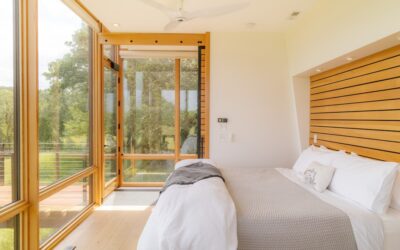
Window direction shapes everything for a houseplant caladium. An east-facing window is ideal, delivering bright morning sun that’s too gentle to burn. North-facing windows work well too, offering steady soft light all day, though growth slows a touch.
South and west windows demand caution. The intense afternoon light from these exposures can bleach and scorch the foliage, so pull the plant back 3 to 5 feet from the glass or filter the light with a sheer curtain. Aim for roughly 6 hours of bright indirect light daily to keep colors crisp.
Supplementing With Grow Lights
In a dim apartment or during short winter days, a grow light bridges the gap. A full-spectrum LED positioned 12 to 18 inches above the plant for 10 to 12 hours a day maintains color and prevents the leggy, stretched stems that signal light starvation. Caladiums typically go dormant in winter regardless, so don’t fight a natural rest period with excessive lighting.
Outdoor Light: Reading Your Yard
Outdoors, the goal is dappled or partial shade, the kind cast by a high tree canopy or the north side of the house. Morning sun with afternoon shade is the sweet spot in most US climate zones. The farther south you garden, the more shade caladiums need, since Florida and Gulf Coast sun is far more intense than Midwest light.
Heat and light go hand in hand for these plants. They want soil temperatures above 70°F to break dormancy and won’t tolerate frost at all. Plant tubers outdoors only after nighttime temperatures stay reliably above 60°F, typically late spring once the soil has warmed.
Signs Your Caladium Is Getting Too Much Light
Caladiums tell you quickly when the light is wrong. Watch for these warning signs of excess sun:
- Brown, crispy edges or patches on the leaves, the classic scorch symptom.
- Faded, washed-out color as the vivid pinks and reds bleach toward pale.
- Wilting during the hottest hours even when the soil is moist.
- Curling leaves that fold in to protect themselves from intense rays.
Move the plant to a shadier location at the first sign of scorch, since damaged leaves won’t recover. New growth will emerge healthy once the light is corrected.
Signs of Too Little Light
The opposite problem is subtler but just as common. A caladium starved for light grows leggy, with long thin stems reaching toward the nearest window. Leaf color dulls and the bold patterns fade to muddy green, because the plant sacrifices pigment to maximize photosynthesis.
Smaller-than-normal leaves and sluggish growth round out the picture. If you see these symptoms, gradually move the plant to a brighter indirect spot over the course of a week, since a sudden jump in light can shock the foliage.
Seasonal Light Changes and Dormancy
These plants follow a natural cycle that catches many first-time growers off guard. As days shorten in fall, leaves yellow and die back, and the plant enters dormancy. This is normal, not a lighting failure. Reduce watering, let the foliage fade, and store the tubers in a dry spot above 55°F.
Come spring, the tubers wake up when warmth and light return. Restart them in bright indirect light and warm soil, and the show begins again. Understanding caladium light requirements across the seasons keeps you from panicking during dormancy and from overcompensating with harsh light that does more harm than good.
Quick Reference for Best Results
To recap the essentials: give caladiums bright indirect light, protect them from direct afternoon sun, and lean toward more shade for fancy-leaf types and in hotter climates. Keep the soil consistently moist and warm, watch the leaves for scorch or stretching, and respect their winter rest. Nail those points and these tropical showpieces will fill your home or shade garden with color that few other plants can match.
Pairing Light With Humidity and Water
Light doesn’t operate in isolation for these tropicals, and ignoring the other variables undoes a perfect window placement. Caladiums crave humidity above 50 percent, so a plant in bright light but dry winter air will brown at the leaf tips no matter how good the exposure. Group plants together, set the pot on a pebble tray, or run a small humidifier to keep the moisture up.
Watering ties in closely with light intensity. A caladium getting more light transpires faster and drinks more, so a sun-tolerant variety in a bright spot needs consistently moist soil to avoid wilting. Let the top inch dry between waterings, but never let the root ball go bone dry, since a stressed plant in strong light scorches far quicker than a well-hydrated one. Balance the three factors of light, humidity, and water together, and the foliage stays brilliant from spring through fall.
Rotate the pot a quarter turn every week so the plant lights evenly and grows symmetrically instead of leaning toward the window. A leggy, one-sided caladium is almost always a light-direction problem, not a light-quantity one, and this small habit fixes it for free.