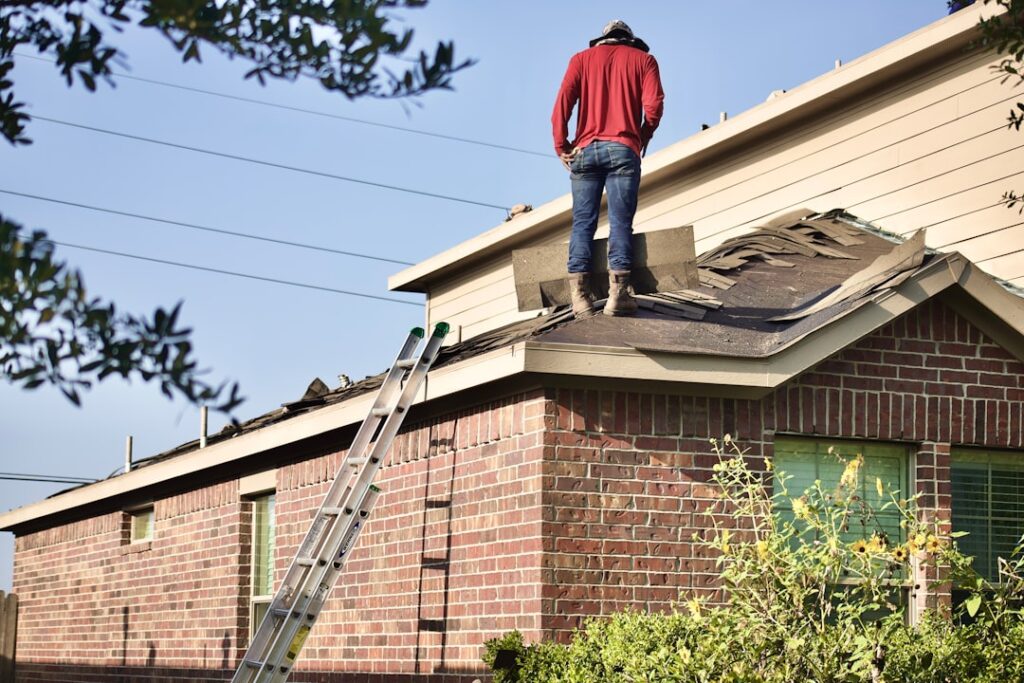
A tarp flapping over a leaking roof in January forces the question fast: can a new roof be put on in winter, or do you have to limp through until spring? The short answer is yes — roofers install new roofs all winter long in every state, including Minnesota and Maine. But cold-weather roofing is a different job than summer roofing. Asphalt shingles behave differently below 40°F, sealant strips don’t activate the same way, and crews work shorter days. Done properly, a winter roof performs exactly as well as one installed in July. Done carelessly, it can shed shingles in the first big spring windstorm.
- Why Winter Installation Is Genuinely Possible
- The Temperature Thresholds That Matter
- Materials That Handle Cold Better Than Others
- The Real Advantages of a Winter Roof
- The Honest Downsides
- What Winter Roofing Costs
- How Crews Adapt the Job Day by Day
- Questions to Ask a Winter Bidder
- When Waiting for Spring Is the Right Call
Why Winter Installation Is Genuinely Possible
Nothing in an asphalt shingle roof structurally requires warm weather. Decking can be replaced, underlayment can be rolled out, flashing can be bent and fastened, and shingles can be nailed at any temperature a crew can safely tolerate. Roofing manufacturers publish cold-weather installation guidelines rather than prohibitions — GAF, Owens Corning, and CertainTeed all allow installation in cold conditions provided specific handling and fastening practices are followed. Insurance work drives a lot of it: a tree strike or ice-dam failure in December cannot wait five months, and contractors in northern states build their winter schedules around exactly these jobs.
What changes is technique. Cold shingles are stiff and can crack if bent sharply, so crews store bundles in a heated garage or box truck and bring them up in small batches. Hand-nailing or carefully dialed-down pneumatic pressure prevents nails from blowing through brittle mats. And installers avoid walking aggressively on frosted shingles, which can scuff granules loose.
The Temperature Thresholds That Matter
Most manufacturers cite 40°F as the comfortable working floor for standard installation, with 26°F appearing in several technical bulletins as the point where extra precautions become mandatory. Below about 40°F, the factory-applied adhesive strip on each shingle — the sealant line that bonds courses together — will not activate on its own. That bond normally forms when sun heat softens the strip in the days after installation. In winter, activation may not happen until the first warm spell, which can be weeks or months away.
Roofers bridge that gap by hand-sealing: dabbing quarter-size spots of ASTM D4586 roofing cement under each shingle tab, or using manufacturer-approved adhesive, in wind-prone areas and along rakes and eaves. On a full winter roof in a windy region, hand-sealing every shingle is cheap insurance. Ask any bidder directly whether hand-sealing is included; the answer tells you a lot about how seriously they take cold-weather work.
Materials That Handle Cold Better Than Others
Not every roofing product minds winter equally. A quick rundown:
- Asphalt shingles: installable with precautions; stiffness and sealing are the issues. SBS-modified “rubberized” shingles like Malarkey Vista or IKO Nordic stay flexible in cold and are a smart winter choice.
- Metal roofing: largely indifferent to cold. Standing seam panels install fine at 20°F, though snow on the deck still stops work.
- Synthetic underlayment: better than felt in winter — it doesn’t wrinkle with moisture and stays walkable. Ice-and-water shield membranes get stiff below freezing; primed decks and hand-rolling help adhesion.
- Flat-roof membranes: the fussiest. EPDM adhesives and TPO welding both have minimum application temperatures, and many low-slope jobs genuinely should wait for a 40°F-plus window.
The Real Advantages of a Winter Roof
Winter is the slow season, and pricing reflects it. Contractors who keep crews busy year-round commonly discount winter installs 5 to 15 percent, and scheduling flips from a six-week summer backlog to sometimes under a week. Material demand softens too, so supplier promotions land in the cold months. You also get the A-team: in December a company’s best, most experienced crew is doing your roof, not the overflow crew hired at the peak of storm season.
There is a performance argument as well. If your existing roof is actively leaking, every week of waiting adds interior damage — wet insulation, stained drywall, mold in the attic. A properly executed January replacement beats a perfect May replacement that follows four months of water intrusion. Repair costs for a saturated attic routinely exceed any winter-install premium or inconvenience.
The Honest Downsides
Winter roofing is slower and weather-hostage. Crews cannot work on snow-covered or icy decks, so a job quoted at two days may stretch across a week of usable windows. Daylight runs short — a northern crew gets maybe eight workable hours instead of twelve. Frozen ground protects landscaping but makes tear-off debris cleanup harder when magnets can’t pull nails from snow. And if your contractor skips hand-sealing, unsealed shingles can lift or blow off in winter storms before the adhesive ever activates; this is the single most common winter-install failure, and it is entirely preventable.
Expect the schedule conversation up front. A good winter contractor will tell you they need consecutive dry days above roughly 20 to 25°F, will tear off only as much roof as they can dry-in the same day, and will never leave decking exposed overnight. If a bidder shrugs at those questions, keep calling.
What Winter Roofing Costs
A standard architectural-shingle replacement runs $4.50 to $8.00 per square foot installed in most US markets — $9,000 to $16,000 for a typical 2,000 sq ft roof. Winter discounts can shave $500 to $2,000 off that. Balance against small winter adders: hand-sealing labor (often $300 to $800 on a full roof if itemized), possible heated storage or extended timeline costs, and snow removal from the deck at $100 to $300 if a storm hits mid-job. Net-net, most homeowners still come out ahead financially in winter, which surprises people who assume cold-season work carries a premium.
How Crews Adapt the Job Day by Day
A winter install runs on a different rhythm than a summer one, and watching for these adaptations tells you whether your crew knows the season. Tear-off happens in sections: instead of stripping the whole roof at 7 a.m., a cold-weather crew opens one slope, replaces any bad decking, papers it in, and shingles it before opening the next. Underlayment goes down with cap nails rather than staples, because synthetic sheet gets brittle and staples tear through in wind. Nail guns get checked constantly — compressor moisture freezes in airlines, and pressure drifts as temperatures swing, so smart foremen fire test nails into scrap every hour and adjust. Shingle bundles come up in relays from a warm truck, never stacked cold on the ridge overnight. Even the start time shifts: crews often begin an hour later than summer, letting frost burn off the deck, and stop before late-afternoon refreeze makes footing dangerous.
Ventilation and ice protection also get more attention in winter contracts, for good reason — the crew is staring at the evidence. Installers working in January see exactly where your old roof built ice dams, where attic heat melted snow in stripes over bypasses, and where inadequate intake choked the ridge vent. A thorough winter contractor will quote ice-and-water shield two full courses up from the eaves (code in most northern states), closed valleys lined with membrane, and baffles at the soffits while the roof is open. Those details cost a few hundred dollars during a re-roof and thousands to retrofit later.
Questions to Ask a Winter Bidder
Five questions separate cold-weather professionals from fair-weather crews taking a gamble. What temperature floor do you work to, and what happens to my schedule if we get a cold snap? Do you hand-seal shingles, on which areas, and is it written into the contract? How much roof do you open per day, and is same-day dry-in guaranteed in writing? Where are my shingles stored the night before installation? And will you photograph the deck and any ice-and-water shield coverage before shingling over it? Confident answers to all five — with the hand-sealing and dry-in commitments on paper — are a better predictor of a leak-free roof than any brand of shingle in the bid.
When Waiting for Spring Is the Right Call
Some situations genuinely favor delay. If your current roof is old but watertight — no active leaks, no exposed decking, no storm damage — there is no urgency, and a spring install removes all weather risk for zero downside. Low-slope membrane roofs with adhesive-dependent systems are better done above 40°F. Extremely steep or complex roofs where ice creates fall hazards may be declined by conscientious crews until conditions improve. And if the only contractor willing to work in January is one you wouldn’t hire in June, wait. A mediocre roofer in perfect weather still beats a bad roofer in any weather.
The practical bottom line: winter replacement is a legitimate, manufacturer-sanctioned practice, not a compromise — provided your contractor stores shingles warm, adjusts fastening, hand-seals against wind, and dries-in every section the day it’s opened. Get those commitments in writing on the contract, and a January roof will still be doing its job twenty winters from now.