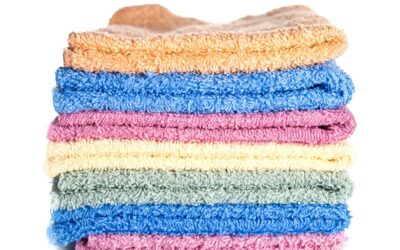
Most laundry guides tell you to always separate towels from clothes, but the truth is more nuanced. The question of can you dry towels with clothes depends on what kind of towels, what kind of clothes, and how big your dryer is. Mixing the wrong combination wastes electricity, leaves lint on dark shirts, and shortens the life of delicate fabrics. Mixing the right combination saves time and money. Here is the full breakdown from someone who has run more loads than anyone wants to admit.
The Short Answer
Yes, you can dry towels with most clothes, but you should not dry them with everything. The general rules:
- Safe to mix: Bath towels with t-shirts, jeans, sweatshirts, denim, and sturdy cotton items
- Risky to mix: Towels with synthetics, athletic wear, and dark dressy items
- Never mix: Towels with delicates, silk, wool sweaters, lingerie, or anything labeled tumble dry low
The risks come from three sources: lint transfer, mismatched dry times, and abrasion damage. Each is real but manageable.
Why Lint Is the Biggest Issue
Cotton towels shed lint heavily, especially in the first 10 to 20 wash cycles. That lint sticks to dark synthetic fabrics — black yoga pants, navy dress shirts, anything polyester — and looks like dandruff. The dryer’s lint trap catches some of it, but plenty stays on the clothes.
Lint transfer is worst with brand-new towels and with dark synthetic clothing in the same load. A new white Charisma or Ralph Lauren bath towel will shed visible fibers on every black item it touches in the dryer.
Older towels — those past 10 to 15 washes — shed dramatically less. Pre-washing new towels alone three times before mixing them into general loads cuts lint transfer by about 70 percent.
Dry Time Mismatch Wastes Energy
Bath towels typically take 60 to 80 minutes to fully dry in a standard 7-cubic-foot residential dryer. T-shirts and most clothing items dry in 25 to 45 minutes. Drying them together means either:
- Running the cycle until the towels are dry — overheating the clothes for the last 30 minutes
- Pulling clothes out partway through — interrupting the cycle and re-starting
- Removing dry clothes manually and continuing the towel cycle — most efficient but adds steps
Overheating shrinks cotton t-shirts, sets wrinkles into dress shirts, and degrades elastane in athletic wear. Repeated over-drying is the main reason yoga pants lose their stretch and t-shirts go misshapen at the collar after a year.
Energy Cost of Mixed Loads
A standard electric dryer draws about 3 kWh per hour. Running the cycle 15 minutes longer than necessary because clothes are mixed with towels adds 0.75 kWh per load, or roughly $0.12 at the US average rate of $0.16 per kWh. Multiply by 4 loads per week and that is $25 per year in wasted electricity from one bad habit.
Gas dryers are cheaper to run but still benefit from properly matched loads. The savings are smaller in dollar terms but the fabric wear effect is identical.
When Mixing Actually Works Well
There are situations where combining towels with clothes is the right call:
- Small families with light laundry volume. If you only generate one or two loads a week, separating is impractical. Combine and accept some lint trade-off.
- Drying hand towels and dishtowels with t-shirts. Smaller towels dry in about the same time as cotton tees.
- Bath towels with jeans, sweatshirts, and heavy cottons. Drying times match within 10 to 15 minutes.
- Older, lint-shed towels with similar-color cottons. Lint becomes much less visible.
The ideal mixed load is one where every item is roughly the same weight and same fabric family.
When to Always Separate
Keep towels in their own load when you are drying:
- Athletic wear with elastane, lycra, or spandex — overheating destroys the stretch
- Dark synthetic dress pants or suits
- Lingerie or delicates of any kind
- Wool, cashmere, or silk — these should usually skip the dryer entirely
- White cotton items if your towels are bright colors that bleed
- Anything labeled tumble dry low or hang dry
How to Optimize a Mixed Load
If you do mix towels with clothes, a few practices reduce the downside:
- Sort by weight first, color second. Heavy with heavy, light with light.
- Use dryer balls (Smartsheep or Friendsheep wool balls run $15 for a six-pack) to separate items and speed drying
- Set the cycle to medium heat, not high — extends drying time slightly but protects fabrics
- Pull clothes out at 35 to 40 minutes if towels are still damp; restart the cycle for towels alone
- Use a moisture-sensor cycle on newer dryers (Bosch, LG, Samsung, Whirlpool all have this) rather than a fixed timer
Specialty Towels Are Different
Microfiber towels — the kind used for cleaning, car detailing, and gym workouts — should never be dried with cotton items. Microfiber attracts lint like a magnet and the fibers permanently embed into the microfiber loops. Dry microfiber separately on low heat or air dry to extend its useful life.
Beach towels and quick-dry travel towels (Nomadix, Dock & Bay) often have synthetic content that should not be exposed to high heat. Check the label — most should tumble dry low only.
Towel Care That Saves Money
Beyond drying decisions, a few towel habits make them last longer:
- Skip fabric softener — it coats the cotton fibers and reduces absorbency by 30 percent over time
- Wash towels in warm water with a small amount of detergent rather than hot
- Add a half cup of white vinegar to the rinse cycle every fourth wash to remove detergent buildup
- Replace bath towels every 2 to 3 years — they lose 50 percent of absorbency by then
- Buy quality once: Charisma, Ralph Lauren, and Restoration Hardware towels last twice as long as budget options
Final Word
Can you dry towels with clothes? In most cases, yes — but the right combination matters. Mix bath towels with sturdy cottons, jeans, and similar-weight items. Keep them away from athletic wear, delicates, and dark synthetics. Use the moisture sensor on modern dryers, dial back to medium heat, and your clothes will last longer while your towels stay absorbent. A little sorting saves both energy and fabric over time.