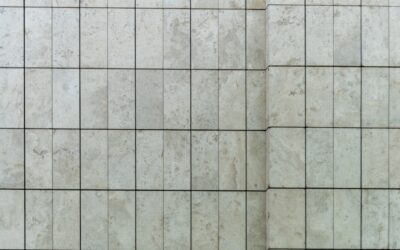
Quartz countertops sell themselves on being low-maintenance — no sealing, no waxing, no annual treatments. That is mostly true, but the resin binders that make quartz nonporous also make them vulnerable to a short list of substances that no granite would even notice. Once a quartz top gets etched by oven cleaner or discolored by a forgotten Comet rag, the damage is permanent. There is no refinishing process. Caring for quartz countertops means knowing the daily routine that keeps them gleaming, the stains that respond to specific treatments, and the products that you should never let touch the surface.
Part of our Countertops guide — explore the full guide →
What Quartz Actually Is
Engineered quartz is roughly 90 percent ground natural quartz crystal bound together by 7 to 10 percent polymer resin, with pigments added for color. Cambria, Caesarstone, Silestone, MSI Q Premium, and Hanstone are the major brands sold in the U.S. The resin is what makes the slab nonporous; it is also what makes the slab heat-sensitive and chemical-sensitive in ways that natural stone is not.
Heat above 300 degrees Fahrenheit can yellow the resin or cause it to release from the surrounding quartz grains. Strong solvents dissolve the resin. Strong alkalis like oven cleaner can break the resin’s chemical bonds. All of this leaves visible permanent damage.
Daily Cleaning
For daily cleaning, mild dish soap and warm water on a microfiber cloth is the entire program. Apply, wipe in circular motions, rinse with a clean damp cloth, dry with a separate microfiber.
Method All-Purpose Cleaner Pink Grapefruit and similar pH-neutral sprays also work and smell better than plain Dawn. For specifically quartz-formulated cleaners, Cambria Countertop Cleaner and Caesarstone Cream Cleanser are matched to the surface and worth their slightly higher price. A 16-ounce bottle of Method runs $4; the Cambria spray runs $14.
Wipe up spills as they happen. Quartz is nonporous, so liquids will not soak in, but acidic spills like lemon juice and red wine can dull the polish if they sit for hours.
Weekly Maintenance
Once a week, do a deeper clean to remove the film that builds up from cooking oils and hand contact. Bar Keepers Friend Soft Cleanser works on quartz when applied as a thin coat with a soft sponge — wipe in straight lines, not circles, to avoid micro-scratches. Let it dwell 60 seconds, then rinse thoroughly with clean water.
Polish dry with a microfiber. Quartz that air-dries shows water spots from minerals in tap water. Drying with a clean microfiber takes 30 seconds and keeps the surface looking new.
For seams between slabs, run a soft toothbrush along the seam with a dab of Dawn. Crumbs and grease collect there and turn dark over time. Avoid pointed tools — they chip the seam edges.
Stains and How to Remove Them
Quartz resists most stains, but a few specific substances leave marks if not handled fast.
- Coffee, tea, wine: Mostly wipe off with soapy water if caught within an hour. For overnight stains, apply Bar Keepers Friend paste and let dwell 90 seconds, then rinse.
- Tomato sauce: Acidic but rarely permanent. Wipe immediately, then clean with dish soap and water.
- Permanent marker: Apply Goo Gone or rubbing alcohol on a soft cloth. Work in small circles. Rinse thoroughly afterward — Goo Gone residue dulls the polish if left on.
- Dried food or wax: Scrape with a plastic putty knife held at a 30-degree angle. Never use metal blades, which scratch.
- Hard water deposits: Mix 1 cup white vinegar with 1 cup water and apply for no more than 60 seconds. Vinegar is borderline for quartz — short contact is fine, long contact dulls the resin.
- Rust marks from canned food: Bar Keepers Friend works reliably. Apply, let dwell 1 minute, rinse.
The Products That Damage Quartz Permanently
This is the critical list. Anything below will cause damage that cannot be repaired.
- Bleach: Discolors lighter quartz colors. The damage shows as faded streaks.
- Oven cleaner (Easy-Off, Krud Kutter Oven Cleaner): Etches the resin permanently.
- Drain cleaner (Drano, Liquid Plumr): Same as oven cleaner — extreme alkaline damage.
- Paint stripper or paint thinner: Dissolves resin on contact.
- Acetone (nail polish remover): Damages the surface gloss.
- Citrus-based cleaners with high acid concentration: Dull the polish over repeated exposure.
- Comet, Ajax, or other abrasive scouring powders: Micro-scratch the surface.
- Scotch-Brite green pads: Same — micro-scratching builds up over time.
If any of these touch quartz, rinse immediately with copious water and dish soap. The damage is sometimes mitigated if you act within the first 30 seconds.
Heat and Quartz
Quartz is not heat-proof, despite some marketing claims. Resin softens above 150 degrees and can yellow or crack at 300 degrees. Cast iron skillets straight off the burner, oven racks set down to cool, and crockpots running on low can all create marks.
Use trivets. Le Creuset silicone trivets at $20 and IKEA stainless trivets at $5 both protect against thermal shock. For everyday use, three trivets near the cooktop and one near the dishwasher cover most kitchen workflows.
Color matters here. Light quartz colors show heat damage more visibly than dark colors, but both materials are vulnerable. Cambria and Caesarstone both note in their warranties that thermal damage is excluded from coverage.
Cutting and Impact
Always cut on a cutting board. Quartz is harder than steel knife blades, so a knife will lose its edge fast on the counter, and the surface can develop fine scratches under heavy use.
Avoid dropping heavy objects on quartz, especially near edges. The corners are the most vulnerable spots — a dropped cast iron pan can chip the front edge. Chipped edges can be filled with manufacturer-supplied epoxy kits, but the repair is visible and never quite matches the original.
Long-Term Outlook
A well-cared-for quartz countertop looks new at 15 years. Cambria backs its products with a lifetime warranty against manufacturing defects. Caesarstone offers a 25-year limited warranty. Most failures in residential settings come from preventable mistakes — placing hot pans directly on the surface or letting harsh cleaners sit.
Resist the urge to switch cleaners frequently. Find a routine of mild dish soap, weekly Bar Keepers Friend, and immediate spill cleanup, and stick with it. Quartz rewards consistency more than any specialty product.