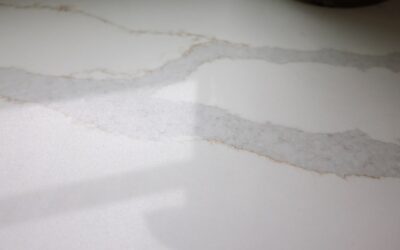
Quartz is sold as the low-maintenance alternative to granite and marble, and that is mostly true. But “low maintenance” gets mistranslated to “no maintenance” by homeowners who set hot pans directly on the surface, scrub with abrasive cleaners, or let red wine sit overnight. Done right, quartz countertop maintenance takes about 90 seconds per day and a 10-minute deeper clean every two weeks. Done wrong, you can dull, stain, or even crack a $5,000 slab in under a year. Here is exactly what to do, what to avoid, and how to handle the problems that come up anyway.
Part of our Countertops guide — explore the full guide →
Daily Cleaning Routine
Wipe the surface with a microfiber cloth dampened with warm water and a single drop of dish soap after meal prep. That is it. No fancy cleaner needed for routine cleanup. The quartz surface is non-porous, sealed at the factory with the resin binder that holds the stone aggregate together, so it does not absorb water or food.
For dried-on residue, soak the spot with a damp cloth for 60 seconds to soften it, then wipe with light pressure. Do not scrub aggressively. Resin can dull under repeated abrasion, and once dull, a small section sticks out from the rest of the slab.
Cleaners You Can Safely Use
Stick to neutral pH products. Acidic and alkaline cleaners both attack the resin over time.
- Dish soap and water (the daily standard)
- Method Daily Granite (works on quartz despite the name)
- Caesarstone Cream Cleanser for branded slabs
- Mild glass cleaner without ammonia for streaks
- 50/50 isopropyl alcohol and water for sanitizing
What Will Damage Your Quartz
The damage list is short but worth memorizing. Bleach degrades the polymer resin and can lighten color over months of repeated use. Oven cleaner does the same in days. Drain unclogger and rust removers contain hydrofluoric or sulfuric acid which etch the surface permanently. Abrasive scrubbers like green Scotch-Brite pads scratch the polished finish. Permanent markers absorb into resin if left more than a few hours.
Heat is the bigger killer. Quartz tolerates roughly 300°F before the resin begins to discolor. A pan straight from a 425°F oven sets a thermal shock pattern that looks like a cloudy ring you cannot remove. Always use a trivet, even for a moment.
Removing Common Stains
Most stains lift with the right approach. For wine, coffee, or tea, mix baking soda with water to a paste, apply for 10 minutes, then wipe with a damp cloth. For grease and oil, use a degreaser like 409 sparingly and rinse thoroughly. For ink or marker, dab with isopropyl alcohol on a soft cloth and lift, do not rub. For dried food, scrape gently with a plastic putty knife held flat to the surface, never on edge.
Tough hard-water spots from running faucets respond to white vinegar applied for under 60 seconds, then immediately rinsed and dried. Longer exposure to vinegar etches the finish.
Heat Damage Prevention
Heat is the most common cause of permanent damage that homeowners cause without realizing it. Crock pots, electric skillets, and warming trays produce 200°F to 250°F at the base over hours, which over time creates a slow yellowing under the appliance. Always set them on a silicone mat or wood cutting board. Hot pans go on a trivet, no exceptions. The ceramic trivets that came with your slab order from the fabricator are not decorative.
Sealing Myths and Facts
Quartz does not need sealing. Period. Salespeople sometimes upsell sealing services for $200 to $400, which is unnecessary. The resin binder is impermeable. If a fabricator or installer recommends an annual seal, push back. The only legitimate quartz product is a polishing compound used by professionals to address dulling, not a sealant.
Dealing with Scratches and Chips
Light scratches polish out with a quartz-specific polish like Granite Gold Brite & Shine and a soft cloth. Deeper scratches require professional buffing with a 3,000 to 5,000 grit pad on a low-RPM polisher. That runs $150 to $300 per area from a stone restoration specialist.
Chips on edges and corners are repairable with a color-matched epoxy kit. The fabricator who installed your slab usually has the exact resin batch on file. DIY kits work but rarely match perfectly. For visible kitchen island chips, pay a pro the $250 to $450 to do it right.
Long-Term Care Schedule
Build a simple cadence: daily wipe-down with soap and water; bi-weekly deeper clean with a quartz-safe cream cleaner; quarterly check on caulk lines at the backsplash and sink; annual inspection of seam tightness, especially near the sink where water can wick into a failing seam.
Resealing caulk lines every two to three years prevents water from seeping under the slab, which causes mold and slab separation issues that cost thousands to fix.
What to Tell House Cleaners
If you hire cleaners, leave a note next to the countertops. The most common pro-cleaner mistake is using all-purpose spray that contains ammonia or citrus solvents on quartz. Specify “warm water and dish soap only on the kitchen counters” in writing. Most cleaners follow instructions; the failures happen when you assume.
The Bottom Line
Done correctly, quartz countertop maintenance requires almost nothing. A microfiber cloth, dish soap, a trivet, and the discipline to skip bleach and oven cleaner will keep an engineered stone slab looking new for 20 years and beyond. Most warranty claims come from heat damage and acidic cleaners, both of which are entirely preventable. Treat your slab like the precision-engineered surface it is, and it will outlast the cabinets it sits on.