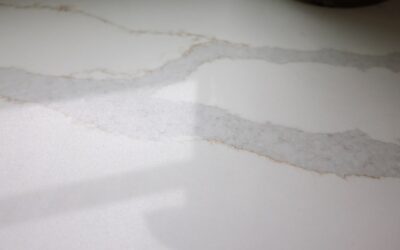
Engineered quartz is sold as the low-maintenance countertop, and that reputation is mostly earned, but it is not indestructible. Knowing how to maintain quartz countertops the right way protects the resin that binds the stone together, because that resin, not the quartz itself, is what gets damaged by heat and harsh chemicals. Follow a few simple rules and a quartz surface will look factory-fresh for 15 to 20 years; ignore them and you can dull or discolor it in a single afternoon.
Part of our Countertops guide — explore the full guide →
- Why Quartz Is Different From Granite
- Everyday Cleaning
- What to Avoid at All Costs
- Protecting Against Heat
- Removing Stubborn Spots and Stains
- Preventing Scratches and Chips
- Keeping the Shine Over the Years
- Outdoor and Sunlight Considerations
- Handling Hard Water and Mineral Spots
- Long-Term Care Habits
- Your Simple Maintenance Routine
Why Quartz Is Different From Granite
Quartz countertops are roughly 90 to 94 percent ground natural stone bound with 6 to 10 percent polymer resins and pigments. That manufacturing process makes them nonporous, which is a huge advantage, but the resin is also the surface’s weak point. Unlike solid granite, quartz cannot be left in direct contact with high heat or strong solvents without consequences.
Because the surface is nonporous, quartz never needs sealing, a chore granite and marble owners face every year or two. That single difference is why quartz earns its low-maintenance label, but it does not mean the counter is bulletproof.
Everyday Cleaning
Daily care is genuinely easy and takes seconds. Wipe the surface with a soft cloth or sponge, warm water, and a small amount of mild dish soap such as Dawn. Rinse and dry with a microfiber towel to avoid streaks.
For most spills, this is all you ever need. Clean up food, drinks, and grease promptly, and the nonporous surface will not absorb anything. Resist the urge to reach for heavy-duty cleaners; gentle and frequent beats harsh and occasional every time.
What to Avoid at All Costs
The fastest way to ruin quartz is using products designed for tougher surfaces. The resin binder simply cannot tolerate aggressive chemicals.
- No bleach or harsh alkaline cleaners: These can discolor and break down the resin over time.
- No abrasive pads or powders: Steel wool and scouring powders scratch the polished finish permanently.
- No high-pH degreasers like oven cleaner or concentrated CLR.
- No acetone, paint thinner, or nail polish remover in concentrated form left to sit.
- No permanent markers or dyes: Wipe these immediately if they make contact.
If you would not use a product on a fine wood finish, think twice before using it on quartz.
Protecting Against Heat
This is the rule most homeowners learn the hard way. Quartz tolerates warmth but not direct high heat; temperatures above roughly 300 degrees Fahrenheit can scorch the surface or cause thermal shock that cracks the slab. A hot pan straight off the burner can leave a permanent white or brown ring.
Always use trivets or hot pads under pots, pans, slow cookers, and electric skillets. Never set a roasting pan from a 400-degree oven directly on the counter. This single habit prevents the most common and most expensive form of quartz damage.
Removing Stubborn Spots and Stains
Even nonporous quartz can pick up dried-on grime or sticky residue. For hardened food, gum, or candle wax, let it cool or harden, then gently scrape it off with a plastic putty knife, never a metal blade.
For stubborn marks, a non-abrasive surface cleaner like a quartz-safe spray or a paste of baking soda and water applied with a soft cloth usually does the job. Glass cleaner works well for fingerprints and streaks on darker slabs. For grease, a degreasing dish soap and warm water lifts it without harming the finish.
Preventing Scratches and Chips
Quartz is hard, rating about 7 on the Mohs scale, but it is not scratch-proof, and its edges can chip under a sharp blow. Always cut on a cutting board rather than directly on the counter; this protects both your knives and the polished surface.
Be especially careful around sink edges and corners, where a dropped cast-iron pan can chip the slab. If a small chip does occur, a color-matched epoxy repair kit can fill it, though professional repair gives the cleanest result for visible areas.
Keeping the Shine Over the Years
Quartz does not need waxing or polishing compounds, and many such products actually leave a hazy film. To restore a clean shine, simply spray with a quartz-specific cleaner or a streak-free glass cleaner and buff with a dry microfiber cloth.
Avoid the temptation to apply countertop “polish” sold for natural stone, since those formulas can build up on the resin surface. A clean wipe and a dry buff are all an engineered surface needs to keep looking new.
Outdoor and Sunlight Considerations
One lesser-known limitation is UV exposure. Most quartz is not rated for outdoor use because prolonged direct sunlight can fade or yellow the pigments and resins over time. If you have an indoor counter near a large sun-facing window, the effect is usually negligible, but a true outdoor kitchen calls for granite or a UV-stable porcelain instead.
For sunrooms or bright kitchens, a manufacturer like Caesarstone or Silestone can confirm whether a specific color is rated for high light exposure before you commit.
Handling Hard Water and Mineral Spots
Around faucets and sinks, hard water can leave chalky mineral deposits even on a nonporous surface. These spots are cosmetic, not damage, but they dull the shine if left to build up over weeks.
Wipe standing water from around the sink and faucet base regularly, and remove existing mineral haze with a soft cloth dampened in a 50-50 mix of water and a quartz-safe cleaner, never undiluted vinegar or lime-scale removers, which are too acidic for the resin. Drying the area after each use is the simplest way to keep deposits from forming in the first place.
Long-Term Care Habits
Quartz rewards consistency more than occasional deep cleaning. Keep a microfiber cloth and a bottle of mild cleaner within reach so wiping the counter becomes a daily reflex rather than a chore you put off.
Avoid letting acidic foods like lemon juice, wine, or tomato sauce sit for hours; while quartz resists staining far better than marble, prolonged contact with strong acids can still etch or dull the surface over time. Address spills promptly and your counter will hold its factory finish for the life of the slab.
Your Simple Maintenance Routine
Mastering how to maintain quartz countertops comes down to a short list: wipe daily with mild soap and water, always use trivets, skip bleach and abrasives, and cut on a board. Do those four things consistently and your quartz will stay glossy and stain-free for two decades. The surface is forgiving, but it rewards the homeowner who respects its one real weakness, the resin that holds it all together.