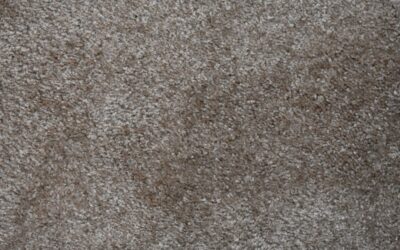
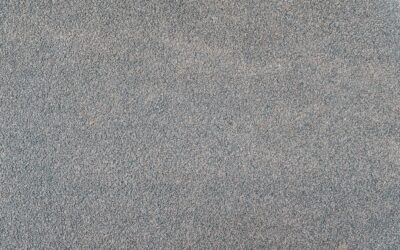
Carpet rolls, also known as broadloom carpet, remain one of the most popular and cost-effective ways to cover large floor areas. Whether you are carpeting an entire home, a single bedroom, or a commercial space, understanding how carpet rolls work can save you hundreds of dollars and help you avoid costly mistakes.
In this guide, we cover everything you need to know about buying carpet by the roll, from standard widths and calculating your needs to the difference between remnants and full rolls, the best brands, and current pricing for 2026.
- What Are Carpet Rolls?
- Standard Carpet Roll Widths
- How to Calculate Carpet Needs
- Remnants vs Full Rolls
- Carpet Roll Fiber Types
- Top Carpet Roll Brands in 2026
- Carpet Roll Pricing in 2026
- How to Inspect Carpet Rolls Before Buying
- Carpet Roll Installation Tips
- Where to Buy Carpet Rolls
- Carpet Rolls vs Carpet Tiles
- Final Thoughts
What Are Carpet Rolls?
Carpet rolls are continuous lengths of carpet manufactured in standard widths, typically ranging from 12 to 15 feet. Unlike carpet tiles or modular squares, broadloom carpet is cut from these large rolls and installed wall to wall for a seamless appearance. The term broadloom simply refers to carpet woven on a wide loom, and it has been the industry standard for residential and commercial installations for decades.
When you visit a flooring store, the samples you see on display racks represent the colors, textures, and fiber types available in full rolls. Once you choose a style, the retailer cuts the length you need from the roll, and an installer seams and stretches it across your floor.
Standard Carpet Roll Widths
Understanding standard carpet roll widths is essential for planning your installation and minimizing waste. Here are the most common widths available in 2026:
12-Foot Rolls
The 12-foot width is the most widely available option in the United States. Nearly every carpet style, from budget polyester to premium nylon, comes in a 12-foot roll. This width works well for most rooms, as the average bedroom is 10 to 12 feet wide, meaning you can often cover the room with a single width and no seams.
13-Foot 6-Inch Rolls
Some manufacturers offer a 13-foot 6-inch width, which provides extra coverage for slightly larger rooms. This size is less common but can reduce the need for seaming in rooms that are just over 12 feet wide.
15-Foot Rolls
The 15-foot width is the second most popular option and is ideal for larger living rooms, basements, and open floor plans. If your room measures between 12 and 15 feet in one direction, a 15-foot roll eliminates seams entirely. However, not every style is available in this width, so selection may be more limited.
6-Foot Rolls
Narrow 6-foot rolls are occasionally available for hallways, stairs, and small spaces. These are less common and typically found in commercial or utility-grade carpet.
How to Calculate Carpet Needs
Calculating how much carpet you need from a roll involves more than simply measuring square footage. Carpet is sold by the square yard or square foot, but because it comes in fixed widths, you need to plan your layout to minimize waste and seams.
Step 1: Measure Every Room
Measure the length and width of each room at the widest points, including doorways and closets. Add 3 to 6 inches to each measurement to allow for trimming and fitting. Record measurements in feet and inches.
Step 2: Create a Layout Diagram
Sketch each room and note the dimensions. Decide which direction the carpet will run. In most cases, you want the carpet pile to face away from the main light source, and you want seams in the least visible locations.
Step 3: Match Measurements to Roll Width
If your room is 11 feet wide, a 12-foot roll covers it with just one foot of waste. If your room is 14 feet wide, you can either use a 15-foot roll or seam a 12-foot roll with a 2-foot strip. The 15-foot option avoids a seam but may cost more per square foot.
Step 4: Calculate Running Feet
Divide the total area by the roll width to determine how many running feet (length) you need. For example, a 12-by-15-foot room using a 12-foot-wide roll requires 15 running feet of carpet.
Step 5: Add 10 Percent for Waste
Always add 10 percent to your total to account for pattern matching, seaming, and cutting errors. For patterned carpet, you may need up to 20 percent extra to align the pattern at seams.
Quick Reference Table
Here is a quick estimate for common room sizes using a 12-foot roll:
- 10 x 12 room: approximately 13.5 square yards (15 running feet of 12-foot roll)
- 12 x 14 room: approximately 18.7 square yards (14 running feet plus seam strip)
- 15 x 20 room: approximately 33.3 square yards (20 running feet of 15-foot roll)
- 12 x 24 room: approximately 32 square yards (24 running feet of 12-foot roll)
Remnants vs Full Rolls
One of the biggest decisions when shopping for carpet rolls is whether to buy from a full roll or purchase a remnant. Each option has distinct advantages depending on your project size and budget.
What Are Carpet Remnants?
Remnants are leftover pieces from full rolls that have been partially used. They typically range from 6 to 25 feet in length and come in the standard roll width. Retailers sell remnants at deep discounts, often 30 to 70 percent off the original price, because they cannot sell a partial roll at full price.
When Remnants Make Sense
Remnants are ideal for small to medium rooms, closets, home offices, guest bedrooms, and basement spaces. If you find a remnant that covers your room dimensions without seaming, you can save a significant amount of money. They are also excellent for rental properties and temporary solutions.
Limitations of Remnants
The biggest drawback is limited selection. You cannot choose a specific color or style and expect to find it as a remnant. You also cannot reorder more of the same carpet if you need additional material later. Remnants may have been stored improperly, so always inspect for damage, odors, or discoloration before purchasing.
Full Rolls: The Advantages
Buying from a full roll gives you complete control over style, color, fiber type, and quantity. You can order exactly what you need, match carpet across multiple rooms, and reorder the same product if you need more. For whole-house installations, full rolls are the only practical option.
Carpet Roll Fiber Types
The fiber composition of a carpet roll determines its durability, feel, stain resistance, and price. Here are the main fiber types you will encounter when shopping for carpet flooring:
Nylon
Nylon is the most popular carpet fiber for good reason. It offers excellent durability, resilience, and stain resistance, especially when treated with stain-protection technology. Nylon carpet rolls range from $2 to $8 per square foot and are suitable for high-traffic areas like living rooms, hallways, and stairs.
Polyester (PET)
Polyester carpet is known for its soft feel and vibrant color options. It resists moisture and stains naturally but is less resilient than nylon, meaning it may mat or crush in heavy traffic areas. Polyester rolls are budget-friendly, typically ranging from $1 to $4 per square foot.
Triexta (SmartStrand)
Triexta is a newer fiber that combines the softness of polyester with durability that rivals nylon. Mohawk’s SmartStrand is the most well-known triexta brand. It features built-in stain resistance that does not wash off over time. Expect to pay $2 to $6 per square foot for triexta carpet rolls.
Olefin (Polypropylene)
Olefin is the most affordable carpet fiber and is commonly used in loop-pile, indoor-outdoor, and basement carpets. It resists moisture and mildew but crushes easily and is best suited for low-traffic areas. Prices range from $0.75 to $3 per square foot.
Wool
Wool is a premium natural fiber prized for its luxurious feel, natural flame resistance, and long-lasting durability. Wool carpet rolls are the most expensive, ranging from $5 to $20 per square foot, and require professional cleaning to maintain their appearance.
Top Carpet Roll Brands in 2026
Several major manufacturers dominate the carpet roll market. Here are the brands worth considering:
Shaw Floors
Shaw is the largest carpet manufacturer in the world and offers an enormous selection of styles, fibers, and price points. Their Anso nylon and R2X stain-treatment lines are particularly popular.
Mohawk Industries
Mohawk is Shaw’s primary competitor and the maker of SmartStrand triexta carpet. They offer excellent warranties and a wide range of styles from budget to premium.
Engineered Floors (Dreamweaver)
Founded by former Shaw CEO Bob Shaw, Engineered Floors has grown rapidly by offering quality carpet at competitive prices. Their Dreamweaver and PureColor lines are worth considering.
Phenix Flooring
Phenix specializes in high-performance residential carpet with competitive pricing and strong warranties. They are a solid mid-range choice.
Stanton Carpet
Stanton focuses on fashion-forward designs, patterns, and premium wool blends. They are a good choice if you want a statement carpet with unique styling.
Carpet Roll Pricing in 2026
Carpet roll prices vary widely based on fiber type, density, brand, and style. Here is a general pricing guide for 2026:
- Budget (builder grade): $0.75 to $2 per square foot for olefin or basic polyester
- Mid-range: $2 to $5 per square foot for quality nylon, triexta, or premium polyester
- Premium: $5 to $10 per square foot for high-end nylon, patterned, or wool blends
- Luxury: $10 to $20+ per square foot for pure wool or designer collections
Installation adds $1 to $3 per square foot, and carpet pad costs an additional $0.50 to $1.50 per square foot. A typical 12-by-12-foot room costs between $300 and $1,500 for materials and installation combined, depending on the quality you choose.
How to Inspect Carpet Rolls Before Buying
Whether you are buying a full roll or a remnant, always inspect the carpet carefully before completing your purchase:
- Check for color consistency: Unroll several feet and compare the color at different points. Dye lots can vary, and the ends of a roll may differ from the middle.
- Feel the density: Press your fingers into the pile and try to touch the backing. Denser carpet with shorter pile generally performs better in high-traffic areas.
- Inspect the backing: Look for tears, wrinkles, or delamination in the backing material. Damaged backing leads to bubbling and premature wear.
- Smell for odors: Remnants that have been stored in warehouses may develop musty or chemical odors. Some new carpet off-gassing is normal, but strong or unpleasant smells may indicate a problem.
- Verify the label: Make sure the fiber content, manufacturer, and warranty information are clearly labeled. Without this information, you have no recourse if the carpet underperforms.
Carpet Roll Installation Tips
Installing carpet from a roll is typically a professional job, but understanding the process helps you communicate with your installer and avoid problems:
Subfloor Preparation
The subfloor must be clean, dry, and level. For concrete subfloors, a moisture test is essential because trapped moisture causes mold and mildew under the carpet. If your subfloor has significant imperfections, a concrete flooring leveling compound may be necessary before installation.
Carpet Pad Selection
Never skip the carpet pad. A quality pad extends the life of your carpet, adds comfort underfoot, and provides sound insulation. For most residential applications, a 7/16-inch, 6-pound-density pad is the sweet spot. High-traffic areas and stairs benefit from a thinner, denser pad.
Seaming Techniques
If your room requires seams, an experienced installer will place them in low-traffic areas away from direct sight lines. Seams should be sealed with hot-melt seam tape and carefully matched for pile direction. Poorly done seams are the number one complaint in carpet installations.
Stretching and Tacking
Professional installers use a power stretcher to pull the carpet tight across the room and secure it over tack strips along the walls. Proper stretching prevents buckling, wrinkles, and premature wear. Knee kickers alone are not sufficient for rooms larger than a closet.
Where to Buy Carpet Rolls
You can purchase carpet rolls from several types of retailers:
- Local flooring stores: Offer the widest selection, professional advice, and installation services. Prices may be slightly higher but you get personalized service.
- Big box stores: Home Depot and Lowe’s carry major brands at competitive prices with installation programs. Selection may be more limited than specialty stores.
- Carpet outlets and warehouses: These stores specialize in remnants and closeouts at deep discounts. Great for bargain hunters willing to be flexible on style.
- Online retailers: Sites like FlooringInc and Carpet Express ship carpet rolls directly to your home. You save on price but cannot feel the product before buying.
Carpet Rolls vs Carpet Tiles
While carpet rolls dominate residential installations, carpet tiles (also called modular carpet) are an alternative worth considering for certain applications:
- Carpet rolls provide a seamless look, wider style selection, and are generally less expensive per square foot for large areas.
- Carpet tiles are easier for DIY installation, allow individual tile replacement if stained or damaged, and work better over imperfect subfloors.
For most whole-room residential installations, carpet rolls remain the preferred choice. Carpet tiles shine in basements, home offices, and commercial spaces where easy maintenance is a priority.
Final Thoughts
Carpet rolls offer unbeatable value and versatility for covering large floor areas. By understanding standard widths, calculating your needs accurately, and choosing the right fiber type for your lifestyle, you can find carpet that looks beautiful and performs well for years. Whether you opt for a budget-friendly polyester, a durable nylon, or a luxurious wool, the key is to buy from a reputable brand, invest in quality padding, and hire a skilled installer. Take the time to compare options, inspect the carpet before purchase, and plan your layout to minimize waste and seams.