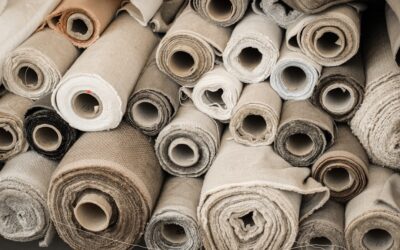
The same carpet a retail showroom sells for $5 a square foot can sit on a roll at a wholesale outlet for half that. A good carpet wholesale outlet buys mill overruns, discontinued styles, and end-of-line rolls in bulk, then passes the savings on with showroom markups stripped away. The catch is that the buying experience is rawer and the burden of judging quality lands on you. This guide explains how outlets work and how to walk out with a genuine bargain rather than a roll of regret.
- How Wholesale Outlets Source Carpet
- What You Save and Why
- How to Judge Carpet Quality
- The Remnant Trap
- Don't Forget Pad and Installation
- Questions to Ask Before You Buy
- Carpet Styles and Where They Work
- Measuring So You Don't Get Caught Short
- Installation Options
- Common Outlet Mistakes to Avoid
- Caring for Your New Carpet
- The Bottom Line
How Wholesale Outlets Source Carpet
Outlets fill their warehouses three main ways: mill overruns where a factory made more than a retailer ordered, discontinued colors and patterns being cleared, and short rolls left over from large commercial jobs. None of these are defective. They are simply inventory the mill needs to move, which is exactly why the pricing drops 30 to 50 percent below standard retail.
What You Save and Why
The savings come from cutting out the showroom middleman. A traditional store carries samples, sales staff, and financing programs baked into the price. An outlet runs lean, often selling straight off the roll in a concrete-floor warehouse.
- Mill overruns: first-quality carpet at clearance pricing
- Discontinued lines: current-quality fiber, just no longer in the catalog
- Remnants: leftover sections ideal for closets, stairs, and small rooms
How to Judge Carpet Quality
Price means nothing if the fiber wears out in three years. Check the face weight, listed in ounces per square yard. Anything under 35 ounces is light-duty; 40 to 60 ounces handles family traffic well. Bend a sample backward in a U shape: if the backing grins through easily, the density is low and it will mat. Ask about the fiber type too.
- Nylon: most durable and resilient, best for high-traffic homes
- Polyester (PET): soft and stain-resistant, slightly less resilient
- Triexta: strong stain and wear performance at a moderate price
- Olefin: budget option, fine for basements but mats under heavy use
The Remnant Trap
Remnants are tempting because they are cheap, but verify the piece is large enough for your room plus seam allowance before you commit. Mismatched dye lots between two remnants will show as a visible color shift in daylight. For anything larger than a small bedroom, a full roll usually serves you better than stitching offcuts together.
Don’t Forget Pad and Installation
A great carpet over a cheap pad fails early. Budget for a 7 to 8 pound rebond pad at minimum, around $0.40 to $0.70 per square foot. Many outlets sell carpet roll-only and refer installation out, so factor $0.50 to $1 per square foot for professional fitting. Confirm whether the quoted price includes the pad, tack strips, and removal of the old carpet.
Questions to Ask Before You Buy
- Is this first-quality or a seconds-grade roll?
- What is the face weight and fiber type?
- Is there enough on the roll for my room plus 10 percent waste?
- What does the price include, and what is the return policy?
Carpet Styles and Where They Work
Beyond fiber, the construction style determines both look and durability. Outlets carry the full range, often at the same clearance pricing, so it pays to know what suits each room.
- Cut pile (plush, Saxony): soft and formal, shows footprints, best for bedrooms and low-traffic rooms
- Berber loop: tight loops that resist crushing, great for stairs and busy hallways
- Frieze (twist): tightly twisted fibers that hide footprints and wear, ideal for family rooms
- Patterned loop and cut: hides dirt and adds visual interest in high-use areas
For pet households, a loop or low-pile cut in a solution-dyed nylon resists snags and cleans up best. Avoid loose, long loops where claws can catch.
Measuring So You Don’t Get Caught Short
Carpet comes on rolls usually 12 feet wide, which affects how it lays out and where seams fall. Measure each room’s length and width, then add at least 10 percent for waste, trimming, and pattern matching. Sketch the room and bring it in so the outlet can plan seam placement away from high-traffic paths and main sightlines. Buying short means a return trip with no guarantee the same lot is still there, so always round up.
Installation Options
Most wholesale outlets sell carpet roll-only and refer installation to independent fitters, so plan for that as a separate cost. A professional install runs $0.50 to $1 per square foot and includes stretching the carpet tight with a power stretcher, which prevents the wrinkling and ripples that plague DIY jobs. Confirm whether old carpet removal, furniture moving, and disposal are included, since those add up fast if billed separately.
Common Outlet Mistakes to Avoid
Bargain hunting goes wrong in predictable ways. Buying on price alone and ignoring face weight leaves you with carpet that mats in a year. Skimping on the pad undermines even a premium carpet. Mixing two remnants of different dye lots creates a visible seam line. And forgetting to verify roll length against your measured square footage is the classic way to stall a project halfway through. Slow down, check the specs, and the savings are real.
Caring for Your New Carpet
Even a bargain carpet lasts far longer with simple upkeep. Vacuum high-traffic areas at least twice a week to keep grit from grinding down the fibers. Treat spills immediately by blotting (never rubbing) from the outside in, and keep a portable spot cleaner on hand for accidents. Schedule a professional hot-water extraction every 12 to 18 months to lift the deep dirt a vacuum misses, and use walk-off mats at entries to cut the amount of soil that reaches the carpet in the first place. These habits stretch the life of even a clearance-priced roll.
The Bottom Line
A carpet wholesale outlet is one of the best values in flooring if you arrive informed. Know your face weight, fiber type, pile style, and exact square footage, inspect every roll before paying, and budget separately for a quality pad and professional install. Do that, and you will land showroom-grade carpet for a price the showroom can never match.