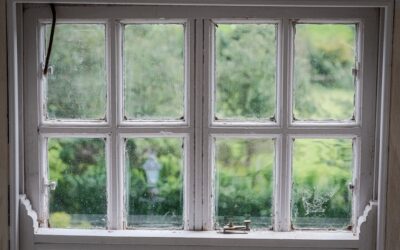
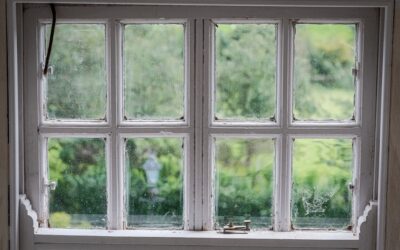
Casement windows swing open like a door on side hinges, and they seal tightly for excellent energy efficiency, but that convenience depends entirely on the mechanical parts that make them work. Understanding casement window hardware helps you diagnose a window that won’t crank, close, or lock, and it lets you order the right replacement instead of paying for a whole new window. This guide walks through each hardware component, how to identify what you have, and how to replace the parts that wear out most often.
Part of our Windows & Doors guide — explore the full guide →
- The Main Hardware Components
- Identifying Your Hardware
- The Operator: Most Common Failure
- Cranks and Handles
- Hinges and Operator Arms
- Locks and Keepers
- Common Problems and Fixes
- Maintenance Tips
- When to Replace vs. Repair
- Understanding Dual-Arm vs. Single-Arm Operators
- Weatherstripping and Seal Performance
- Sourcing Discontinued Parts
The Main Hardware Components
A casement window relies on several interconnected parts:
- Operator (crank mechanism): The gearbox mounted at the sill that converts crank rotation into the push and pull that opens and closes the sash. This is the most common part to fail.
- Crank handle: The removable or folding handle you turn. Often a T-shaped or folding “nesting” handle.
- Operator arm and track: The metal arm that extends from the operator to a shoe that slides in a track on the sash, physically moving it.
- Hinges (roto operators use butt or four-bar hinges): The pivoting supports along the top and bottom that let the sash swing while carrying its weight.
- Locking mechanism (cam locks and keepers): The levers that pull the sash tight against the weatherstrip for a positive seal. A multi-point lock links several cams to one handle.
- Sash and weatherstripping: Not hardware exactly, but the seal that the hardware compresses against.
Identifying Your Hardware
Casement hardware is not universal, and matching a replacement is the biggest challenge. Major manufacturers such as Andersen, Pella, Marvin, and the aftermarket parts sold by companies like Truth Hardware each use distinct operator designs. To identify yours, remove the operator cover or the crank and look for stamped part numbers or a logo on the metal housing. Measure the operator arm length, the mounting screw hole pattern, and note whether the arm is single or dual (some large windows use a dual-arm operator). Photograph the assembly before removing it. If the window has a visible manufacturer label on the frame or in the corner of the glass, that narrows the search considerably.
The Operator: Most Common Failure
When a casement window turns hard, slips, or the handle spins freely without moving the sash, the operator gearbox is usually stripped inside. Grit, age, and forcing a partially locked window all wear the plastic and metal gears. Replacing an operator is a manageable DIY job:
- Open the window enough to unclip or unscrew the operator arm from the sash shoe or track.
- Remove the crank handle and the interior operator cover or trim.
- Unscrew the operator from the frame and lift it out.
- Set the matching replacement in place, align the arm with the track, and reattach.
- Test through the full range and confirm the window closes tight against the weatherstrip.
Replacement operators typically cost $20 to $80 depending on brand and whether it is a single- or dual-arm unit. That compares favorably to a service call or window replacement.
Cranks and Handles
Crank handles wear, strip, or simply break off. Most attach with a single set screw or a snap-on splined fitting. Replacements are inexpensive, often $8 to $25, and come in folding “nesting” styles that tuck flat so blinds and shades clear them. When buying, match the spline size and shaft length to your operator, since a handle that does not fully engage will strip quickly. Finish choices like white, bronze, brass, and brushed nickel let you match other room hardware.
Hinges and Operator Arms
Hinges and the operator arm carry the sash weight and take abuse from wind and repeated cycling. A sagging sash that scrapes the frame or won’t seal at the top often means a worn hinge or a bent arm. Four-bar hinges are common and are replaced by supporting the sash, unscrewing the old hinge from both frame and sash, and fitting the matched replacement. Because these parts bear the window’s weight, buy quality replacements and make sure the size and hand (left or right) match. A misaligned hinge will bind the whole mechanism.
Locks and Keepers
Casement locks pull the sash tight for security and weather sealing. Single-point locks use one cam and keeper; larger windows use a multi-point lock bar driven by a single handle that engages several keepers up and down the sash for even compression. If your window feels drafty even when latched, the cams may be worn or misadjusted, or the keepers loose. Many keepers have slotted screw holes so you can shift them slightly to increase compression against the weatherstrip. Replacing a full multi-point lock is more involved but still cheaper than a new window.
Common Problems and Fixes
- Window cranks but doesn’t move: Stripped operator gears; replace the operator.
- Hard to crank: Dirty or dry track and arm; clean and apply a dry silicone or graphite lubricant, not oil that attracts grit.
- Sash won’t close flush: Bent arm, worn hinge, or debris in the track; inspect and realign or replace.
- Drafty when locked: Adjust keepers or replace worn weatherstrip and cams.
- Handle spins loose: Stripped handle spline or set screw; replace the handle and confirm spline match.
Maintenance Tips
A little upkeep prevents most hardware failures. Twice a year, vacuum the track and hinge channels, wipe them clean, and apply a dry lubricant to the operator arm, track, and hinges. Never crank a window that is still locked, since that is the fastest way to strip an operator. Keep the weatherstrip clean so the sash seals without the hardware straining. If a crank starts feeling gritty, address it early before the gears wear.
When to Replace vs. Repair
Understanding Dual-Arm vs. Single-Arm Operators
Not all operators are built the same, and buying the wrong configuration is a common ordering mistake. Single-arm operators use one arm to push the sash and suit smaller, lighter windows. Dual-arm operators use two arms working together to carry the weight of larger or heavier sashes, distributing the load so the window opens smoothly without racking. If your window is wide or tall and the original operator has two arms, you must replace it with another dual-arm unit; a single-arm operator will not carry the sash properly and will wear out fast. When identifying your replacement, count the arms, measure their length, and note the mounting pattern, since these details determine fit far more than the brand name alone.
Weatherstripping and Seal Performance
The hardware and the weatherstrip work as a team. Even a perfect operator and lock cannot seal a window if the weatherstrip is compressed, cracked, or missing. Casement windows are among the most energy-efficient window styles precisely because the sash closes against a continuous gasket that the locks compress tight, but that gasket degrades over years of sun and use. If you feel drafts even with the window fully locked, inspect the weatherstrip before assuming a hardware fault. Replacement weatherstrip is inexpensive and usually presses into a channel or adheres in place. Pair fresh weatherstrip with properly adjusted keepers and cams, and the window will seal as tightly as it did when new, restoring both comfort and efficiency.
Sourcing Discontinued Parts
The trickiest repairs involve older windows whose original hardware is no longer made. When a manufacturer has discontinued a part, aftermarket suppliers like Truth Hardware often make universal or cross-reference replacements that fit multiple brands. Bring the old part, your measurements, and photographs to a hardware specialist or search a cross-reference database by the stamped part number. In some cases a slightly different but compatible operator can be adapted with new mounting holes. If a lock or hinge is truly unavailable, replacing the full hardware set on that window with a modern equivalent is still far cheaper than a new window. Persistence in matching pays off, because the window frame and glass usually have many good years left once the mechanical parts are refreshed.
The great advantage of casement windows is that the hardware is serviceable. A stripped operator, broken handle, or worn hinge rarely justifies replacing the entire window, especially if the glass and frame are sound. Match the part carefully, work methodically, and most homeowners can restore smooth operation in under an hour. Reserve full window replacement for cases where the frame is rotted, the glass seal has failed with fogging between panes, or matching hardware is genuinely unavailable. Knowing your casement window hardware turns an intimidating “the window is broken” into a simple, inexpensive parts swap.