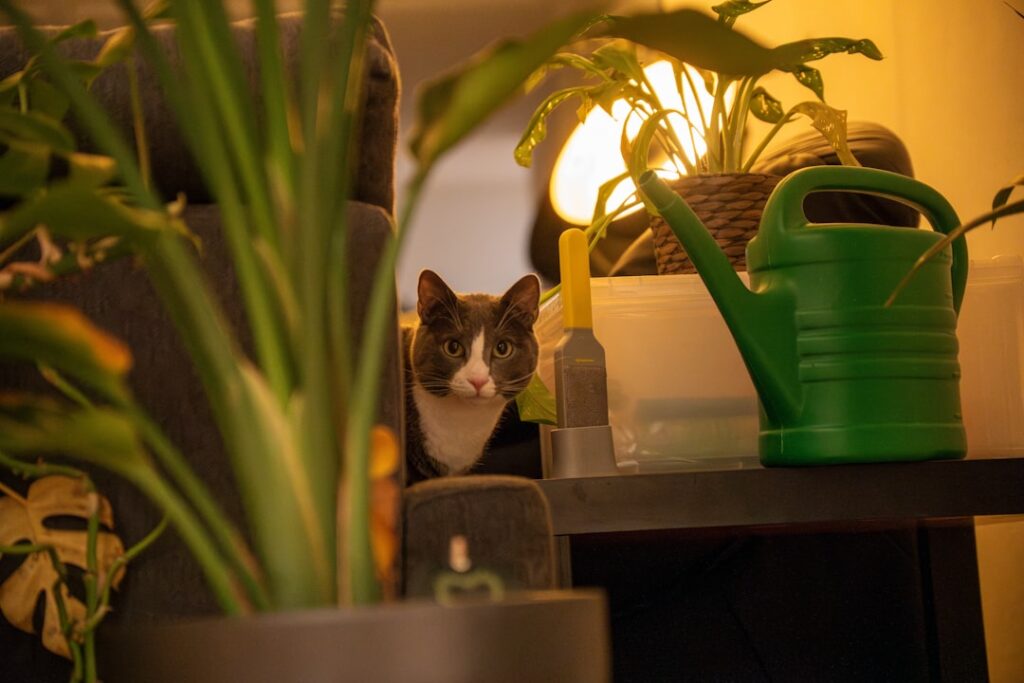
Sharing your home with a curious cat should not mean giving up on greenery, even in a dim apartment. Cat safe house plants low light spaces can support are more plentiful than most pet owners realize, and choosing them protects a nibbling kitten from a costly emergency vet visit while still filling your rooms with life. The catch is that many popular houseplants, from pothos to peace lily to every kind of lily, are toxic to cats, so the list has to be built carefully.
The good news is that several genuinely non-toxic plants also happen to tolerate the north-facing windows and interior corners where light is scarce. Below are the plants that pass both tests, safe for cats and content in low light, along with the care details that keep them alive and the popular lookalikes you must avoid.
Spider Plant: The Gold Standard
No plant checks more boxes for a cat household than the spider plant (Chlorophytum comosum). It is confirmed non-toxic to cats, tolerates low to moderate light, and shrugs off neglect, making it the single best starter plant for pet owners. Its arching, striped leaves and dangling baby plantlets add movement and interest without any risk to a curious feline.
One honest caveat: cats are often irresistibly drawn to spider plants and love to chew the dangling leaves. While not poisonous, mild digestive upset can follow overzealous munching, so hanging the plant out of easy reach keeps both plant and pet happier. Water when the top inch of soil dries, and the spider plant will multiply into free new plants you can pot up and give away.
Calathea and Prayer Plants
For pet owners who want striking foliage, the calathea and its close relative the prayer plant (Maranta) are ideal. Both are non-toxic to cats and, crucially, actually prefer indirect and lower light, since strong sun bleaches their gorgeous patterned leaves. The dramatic stripes, purples, and painterly markings of these plants bring color to a shaded room that solid-green plants cannot match.
These beauties ask for a bit more attention in exchange. They like consistently moist but never soggy soil, higher humidity, and lukewarm filtered or distilled water, since they are sensitive to the minerals and chlorine in tap water. A bathroom with a window or a spot near a humidifier suits them well. Reward their fussiness with steady moisture and they perform beautifully in exactly the low light many plants reject.
Parlor Palm and Areca Palm
Palms bring vertical, tropical drama, and two of the most popular are cat-safe. The parlor palm (Chamaedorea elegans) is a Victorian classic that tolerates low light and cramped roots, growing slowly to 2 to 4 feet indoors, and it is completely non-toxic to cats. Its delicate fronds soften a corner without the sharp edges or toxicity of many larger houseplants.
The areca palm is another safe, larger option for brighter low-light spots, adding a feathery, room-filling presence. Be careful not to confuse these true palms with the sago palm, which is not a palm at all and is severely toxic, even deadly, to cats. Stick to parlor and areca palms by their botanical names, water when the top inch dries, and enjoy a pet-safe tropical accent.
Ferns for Lush, Safe Greenery
Ferns thrive in the shady, humid conditions that stump many plants and most are cat-friendly. The Boston fern (Nephrolepis exaltata) is non-toxic, loves indirect light, and drapes gracefully from a shelf or hanger, while the bird’s nest fern offers bold, glossy, ripple-edged fronds and equal safety. Both suit dim, moist rooms like bathrooms perfectly.
Ferns’ main demand is humidity; dry indoor air turns their fronds crispy brown at the edges. Keep the soil evenly moist, mist regularly or use a pebble tray, and site them away from heating vents. As with palms, watch the naming, the asparagus fern, sometimes sold alongside true ferns, is actually toxic to cats, so verify before you buy. True Boston and bird’s nest ferns are safe bets.
Easy-Care Safe Choices
A few more plants round out the cat-safe, low-light roster with minimal fuss. The cast iron plant (Aspidistra elatior) earns its name by surviving deep shade, irregular watering, and general neglect while staying non-toxic, making it perhaps the toughest safe plant available. Peperomias, a large family of compact plants with thick, often patterned leaves, are cat-safe and content in moderate to low light.
The friendship plant and the polka dot plant add color safely, and many varieties of these tolerate lower light. For a trailing option that is safe, consider certain non-toxic types over the popular but toxic pothos and philodendron. When in doubt, always verify a plant against the ASPCA’s toxic and non-toxic plant list before bringing it home, since common names are unreliable and one mistake can be serious.
Placement and Deterrents for a Cat Household
Even the safest plant collection benefits from smart placement, because a cat that treats your plants as a salad bar can still get an upset stomach and destroy your greenery. Hanging planters and tall plant stands put foliage out of easy reach, and macramé hangers turn safe trailing plants into decor a cat cannot bat down. Wall-mounted shelves and a dedicated plant nook behind a baby gate work for the most determined grazers. Keep the plants you most want to protect off low tables and windowsills where a cat naturally lounges.
To redirect the chewing urge, give your cat a legal alternative: a pot of cat grass (usually oat, wheat, or barley) or a small planter of catnip satisfies the instinct to nibble greens and often draws attention away from your other plants. If a cat persists, a light spritz of diluted citrus scent on nearby surfaces, never on the plant itself, tends to discourage them, since cats dislike citrus. Cover exposed potting soil with decorative stones or pinecones too, which stops cats that treat open pots as a second litter box.
Watering and Light Details for Low-Light Rooms
Low light changes how you water, and getting this right keeps safe plants alive. Plants in dim rooms grow slowly and use water slowly, so they need far less than the same plant in bright light, overwatering is the top killer of low-light houseplants. Let the top inch or two of soil dry before watering most of these plants, and always empty saucers so roots never sit in standing water. Cast iron plants, snake-plant alternatives, and peperomias in particular prefer to dry out between drinks.
Even shade-tolerant plants need some light to survive; low light is not no light. A north-facing window, or a spot several feet from a brighter window, keeps these plants healthy, while a windowless interior room will slowly starve even the toughest of them. If your only spot is genuinely dark, a small full-spectrum LED grow light on a timer for a few hours a day fills the gap and keeps your cat-safe collection lush without any risk to your pet.
Popular Plants to Avoid
Just as important as what to buy is what to skip. Several of the most common, low-light-friendly houseplants are genuinely dangerous to cats: pothos, philodendron, peace lily, ZZ plant, snake plant, and dieffenbachia all cause mouth irritation, drooling, vomiting, or worse when chewed. True lilies, including Easter, tiger, and daylilies, are catastrophically toxic and can cause fatal kidney failure from even a nibble or licked pollen, so they should never enter a cat’s home at all.
Because cats explore with their mouths, position even safe plants thoughtfully and discourage heavy chewing, which can upset any pet’s stomach. Offer a pot of cat grass or catnip as a legal alternative to redirect the urge to graze. With a carefully chosen collection of cat safe house plants low light rooms can sustain, you get a green, living home and a healthy, happy cat, no compromise required.