A cattle panel trellis is one of the strongest, most affordable, and most versatile garden structures you can build. Made from heavy-gauge galvanized steel livestock panels, these trellises support even the heaviest vines — squash, melons, grapes, and climbing roses — without bending or collapsing. Best of all, you can build one in under 2 hours for $30–$80 in materials. This 2026 guide walks you through designs, materials, step-by-step construction, and the best plants to grow on your trellis.
What Is a Cattle Panel?
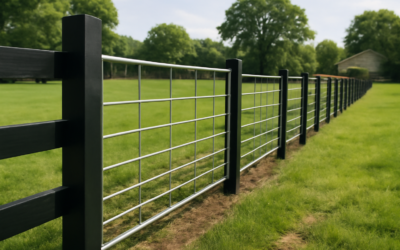
A cattle panel (also called a livestock panel, hog panel, or utility panel) is a welded-wire panel originally designed for livestock fencing. The standard size is 16 feet long by 50 inches tall, with 4-inch by 4-inch or 6-inch by 6-inch grid openings. The wire is heavy-gauge galvanized steel (typically 4-gauge, about 0.22 inches thick), which gives these panels exceptional strength and rigidity.
Cattle panels are sold at farm supply stores like Tractor Supply Co., Rural King, and local co-ops. A standard 16-foot panel costs $25–$40 in 2026, making it one of the most cost-effective materials for garden structures. Some hardware stores also carry them in 8-foot lengths ($15–$22) for smaller projects.
The galvanized coating protects against rust and corrosion, giving cattle panels an outdoor lifespan of 15–25 years with zero maintenance. This durability is what makes them vastly superior to wooden trellises, which typically last 5–8 years before rotting.
Why Use Cattle Panels for a Trellis?
- Incredible strength: A single cattle panel can support 200+ pounds of vine weight without bending. This makes them ideal for heavy producers like butternut squash (8–15 lbs per fruit) and watermelons (with slings).
- Affordable: A complete arch trellis costs $30–$80 in materials. Comparable metal garden arches sell for $150–$400 and are typically less sturdy.
- Flexible design: Cattle panels can be bent into arches, used flat against walls, configured as A-frames, or joined to create tunnels.
- Perfect grid spacing: The 4-inch or 6-inch grid provides ideal attachment points for climbing vines and makes harvesting easy.
- Fast installation: Most designs can be built in 1–2 hours with basic tools.
- Zero maintenance: No painting, staining, or sealing required. The galvanized finish handles all weather conditions.
Popular Cattle Panel Trellis Designs
| Design | Panels Needed | Footprint | Best For | Difficulty |
|---|---|---|---|---|
| Single arch | 1 (16 ft) | 6–8 ft wide, 6–7 ft tall | Garden pathway, visual focal point | Easy |
| Flat/vertical trellis | 1 (16 ft or cut) | Custom width, 4 ft tall | Against walls, raised beds | Easy |
| A-frame trellis | 2 (16 ft) | 8 ft wide, 5–6 ft tall | Shading crops, dual-side planting | Easy |
| Tunnel/arbor | 3–5 (16 ft) | 8–20 ft long, 6–7 ft tall | Garden walkway, heavy production | Moderate |
| Gothic arch | 2 (16 ft, overlapped) | 5–6 ft wide, 8–9 ft tall | Elegant garden entrance | Moderate |
The single arch is by far the most popular design for home gardens. It is simple, striking, and functional — providing both vertical growing space and a walkable pathway underneath.
Materials & Tools You Need
For a Single Arch Trellis
- 1 cattle panel, 16 ft x 50 in (4-gauge galvanized) — $25–$40
- 4 T-posts (6 ft tall) or 4 wooden stakes (2×2 or 2×4, 3 ft long) — $5–$8 each
- Zip ties or galvanized wire (for securing panel to posts) — $3–$8
- T-post driver (if using T-posts) or mallet — $15–$25 (or borrow)
- Work gloves (heavy-duty leather) — $10–$15
- Bolt cutters (if cutting the panel) — $15–$30
- Optional: raised bed lumber if integrating with garden beds
Total cost: $30–$80 depending on post type and whether you already own tools.
How to Build a Cattle Panel Arch Trellis
- Choose your location. Select a spot that receives 6–8 hours of direct sunlight for most vegetable and flower vines. Orient the arch so the opening faces north-south for even light exposure on both sides.
- Set your posts. Drive 2 T-posts (or wooden stakes) into the ground on each side, spaced 4–6 inches apart and 18–24 inches deep. The distance between the two pairs of posts determines the arch width — typically 6–8 feet. Wider spacing creates a lower, wider arch; narrower spacing creates a taller, more dramatic arch.
- Bend the panel into an arch. This is the most physical step. Stand the cattle panel on one long edge. With a helper holding the opposite end, walk toward each other while pushing the panel upward. The natural flex of the steel will form a smooth arch. A 16-foot panel bent to 7 feet wide creates an arch approximately 6.5 feet tall at the peak.
- Attach the panel to the posts. Slide each end of the arched panel between or against the paired posts. Secure with heavy-duty zip ties (use 4–6 per post) or galvanized wire wraps. The panel should be firmly anchored and resist movement when pushed.
- Trim if needed. If the arch legs extend too far into the ground or the height is not right, use bolt cutters to remove grid sections from the bottom. Always cut flush to a horizontal wire to avoid sharp points.
- Plant your vines. Plant climbing vegetables or flowers 6–12 inches from the base of the arch on both sides. Train new growth onto the panel by gently weaving stems through the grid openings.
Pro tips: For extra stability in windy areas, drive the T-posts 30 inches deep instead of 18. For an even sturdier setup, anchor the panel legs into raised bed frames using U-bolts. Consider placing stepping stones or mulch under the arch to create a defined pathway.
How to Build a Flat Cattle Panel Trellis
A flat (vertical) trellis is ideal for growing along walls, fences, or the back of raised beds. Here is how to build one:
- Cut the panel to size using bolt cutters. A common configuration is 8 feet wide by 4 feet tall (half a standard panel).
- Drive 2–3 T-posts into the ground along the trellis line, spaced evenly (4 ft apart for an 8 ft panel). Drive them 18–24 inches deep.
- Attach the panel to the front of the T-posts using zip ties or wire. The bottom of the panel should sit 2–6 inches above the soil to prevent rust at ground contact.
- Optional: add a top rail. Wire a length of bamboo or a wooden 1×2 along the top edge for a finished appearance.
Flat trellises work beautifully for tomatoes, peas, cucumbers, and climbing flowers. They are also perfect for creating a living privacy screen when planted with fast-growing vines. If you want to enhance the surrounding landscape further, check our guide on when to plant grass seed to time your lawn work alongside trellis installation.
Best Plants for a Cattle Panel Trellis
| Plant | Type | Weight per Plant | Trellis Style | Notes |
|---|---|---|---|---|
| Cucumbers | Vegetable | Light (2–5 lbs total) | Arch or flat | Excellent climber, tendrils grip wire easily |
| Pole beans | Vegetable | Light (1–3 lbs) | Arch or flat | Fast grower, self-climbing |
| Sugar snap peas | Vegetable | Light (1–2 lbs) | Flat | Cool-season crop, tendrils attach readily |
| Tomatoes (indeterminate) | Vegetable | Heavy (15–30 lbs) | Flat | Tie stems to panel; cattle panel handles weight easily |
| Butternut squash | Vegetable | Very heavy (30–60 lbs) | Arch | Use fabric slings for individual fruits over 3 lbs |
| Small melons | Vegetable | Heavy (10–25 lbs) | Arch | Use slings; choose smaller varieties |
| Climbing roses | Flower | Moderate | Arch | Train canes along panel; stunning when in bloom |
| Clematis | Flower | Light | Arch or flat | Perfect grid size for clematis tendrils |
| Passionflower | Flower/fruit | Moderate | Arch | Vigorous grower, beautiful flowers |
| Grapes | Fruit | Heavy (50–100 lbs) | Flat or tunnel | Excellent long-term trellis for grape vines |
Maintenance & Longevity
One of the biggest advantages of a cattle panel trellis is its minimal maintenance requirements:
- Annual inspection: Check zip ties or wire attachments each spring. UV exposure degrades plastic zip ties after 1–2 years; replace with new ones as needed. Galvanized wire lasts indefinitely.
- Post stability: Verify that T-posts have not loosened over winter (freeze-thaw cycles can heave posts). Re-drive if needed.
- Vine removal: At the end of the growing season, remove dead annual vines from the panel. They are easier to remove before they fully dry out and become brittle.
- Rust check: The galvanized coating should prevent rust for 15–25 years. If you notice rust spots (usually at cut ends), apply a cold galvanizing spray ($8–$12) to stop corrosion.
Expected lifespan: 15–25 years with zero maintenance, potentially 30+ years in dry climates. This compares favorably to wooden trellises (5–8 years), bamboo (3–5 years), and decorative metal arches (8–15 years).
Frequently Asked Questions
Where do you buy cattle panels?
Tractor Supply Co. is the most widely available retailer, with 16-foot panels priced at $25–$40. Rural King, local farm supply co-ops, and some Home Depot or Lowe’s locations also carry them. Call ahead to confirm stock, as they are not always displayed on the sales floor.
Can you cut cattle panels?
Yes. Use bolt cutters to cut individual wires. For clean cuts, snip flush against a perpendicular wire to minimize sharp points. A reciprocating saw with a metal-cutting blade can also cut panels quickly. Always wear heavy gloves and safety glasses when cutting.
How do you transport a 16-foot cattle panel?
Most people transport cattle panels flat on the roof of a vehicle (secured with ratchet straps) or in a truck bed with the panel extending over the tailgate (use a red flag and secure well). Some stores will bend the panel in half for easier transport in an SUV — the panel springs back to shape when released. Delivery is also available from most farm supply stores for $30–$75.
Will a cattle panel trellis support watermelons?
Yes, with support slings. Cattle panels easily handle the weight of watermelons, but individual fruits over 3 pounds need fabric slings (old t-shirts, pantyhose, or mesh bags work well) tied to the panel to prevent the fruit from detaching from the vine. Choose smaller watermelon varieties (Sugar Baby, Blacktail Mountain) for vertical growing.
Can you paint cattle panels?
Yes. Clean the panel with a wire brush, apply a metal primer (Rust-Oleum or similar), and topcoat with exterior-grade spray paint. Black and dark green are popular colors that blend into garden settings. Painting adds aesthetic appeal but is not necessary for longevity — the galvanized finish provides adequate corrosion protection on its own.
How wide should a cattle panel arch be?
For a walkable arch, set the posts 6–8 feet apart. A 7-foot width is ideal for most gardens — wide enough for a wheelbarrow and tall enough (about 6.5 feet at peak) for most adults to walk under comfortably. Going narrower than 5 feet creates a very tall, narrow arch that may feel cramped.
Last updated: March 2026