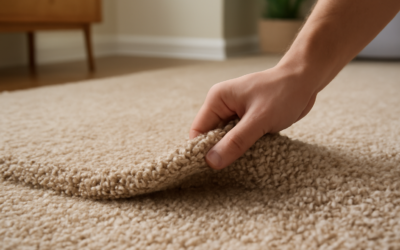
Cheetah print broadloom outsold solid neutrals in luxury stair-runner orders during 2024 according to multiple national distributors, which surprised an industry that had been declaring patterned carpet dead for nearly two decades. The look reads as confident rather than dated when it is done right, and disastrous when it is done wrong. Cheetah print carpet works best in stair runners, small entryways, dressing rooms, and home offices, and works least well as broadloom in a 400 square foot family room. This guide covers material choices, real prices, installation considerations, and the design moves that keep the look feeling current rather than 1985.
Why Cheetah Pattern Has Made a Comeback
Designers describe animal print as a neutral, which sounds like marketing until you actually compare it to a beige boucle wall fabric or a brown leather chair. The scale of cheetah spots is small enough to read as texture from across the room and detailed enough to look intentional up close. Unlike larger leopard patterns, the cheetah print sits between busy and quiet, which is why it layers under solid furniture without competing.
The current trend favors warm caramel and tobacco backgrounds with black or chocolate spots, often with the spots slightly irregular rather than perfectly geometric. The cooler grey-and-black cheetah prints popular in the 2010s have faded out and look dated quickly compared to the warmer palettes.
Best Locations in the Home
Stair runners are the highest-impact, lowest-risk install. The vertical orientation lets the pattern function as a focal point without overwhelming any one room. A 13 to 16 step runner uses about 25 to 30 linear feet of 27 inch wide goods, well within the budget of most home renovations.
- Stair runners (13 to 16 steps): the home-run application, 850 to 2,800 dollars installed
- Entryway and foyer (under 60 sq ft): high-traffic but small enough to handle bold pattern
- Walk-in closet floor: low traffic, looks luxe, easy to replace if you tire of it
- Powder room or laundry: bound area rug rather than wall-to-wall, swap out easily
- Home office (under 150 sq ft): adds personality to a typically dull room
The locations to avoid are open-concept great rooms, kids’ bedrooms, and basement family rooms over 200 sq ft. The pattern reads as overwhelming at those scales and dates the space faster than you would expect.
Materials: Wool vs Synthetic vs Sisal
Real cheetah-pattern carpet comes in three main constructions. Hand-tufted wool from brands like Stark Carpet, Patterson Flynn, and Stanton runs 80 to 220 dollars per square yard. Wool holds the pattern definition longest because the dyes penetrate the fiber rather than coating it, and the natural sheen of wool reads as upscale.
Solution-dyed nylon and polyester versions from Couristan, Karastan, and Stanton’s Royal Dutch line run 35 to 75 dollars per square yard. They wear well, clean easily, and look nearly identical to wool when new. The trade-off shows up at year five or six: synthetics start to flatten and the pattern softens visually. Real wool keeps its crispness for 15 to 20 years.
Sisal and seagrass cheetah prints exist but are mostly decorative; they crush under heavy traffic and stain badly. Reserve them for low-use spaces.
Realistic Pricing
A 13 step stair runner in good-quality synthetic cheetah print, professionally installed with binding and waterfall installation, runs 1,000 to 1,800 dollars. Wool jumps that to 2,200 to 3,500 dollars. A custom-bound 8 by 10 area rug in cheetah broadloom runs 600 to 1,500 dollars depending on the carpet line.
Installation labor for a stair runner is 18 to 35 dollars per stair tread for standard waterfall, more for the cleaner Hollywood (capped) install or for spindled stair brackets. Bound edges add 8 to 14 dollars per linear foot. Get itemized quotes; the same carpet from different installers can vary by 30 percent on labor alone.
Pad and Underlayment Choices
Stair runners benefit from a denser pad than broadloom. An 8 pound, 1/2 inch thick rebond pad is the minimum. Better: a 10 pound felt pad or a rubber waffle pad rated specifically for stairs. The denser pad keeps the runner from “smiling” (showing exposed wood at the riser) over time.
For broadloom installations, a standard 6 to 8 pound, 7/16 inch rebond pad works fine. Avoid the cheap 4 pound pads. They flatten in two years, and the carpet wears out in roughly half the expected lifespan as a result. Pad cost is small compared to carpet cost; never skimp here.
Designing Around the Pattern
Cheetah print carpet looks best when the surrounding palette is quiet. Stick to one or two solid colors in the room: cream walls, a charcoal or chocolate sofa, brass or warm-wood accents. Adding another pattern in the same room (florals, stripes, geometrics) almost always lands as visually busy.
Trim color matters more than expected. White-painted trim and risers let the runner pop. Stained risers in a similar tone to the carpet background create a softer, more layered look. Either works; both being neutral is the key. Bright accent colors on trim fight the pattern.
Cleaning and Maintenance
Animal print hides traffic patterns and minor soiling better than any solid carpet, which is part of the practical appeal. That does not mean you can skip vacuuming. Weekly vacuuming with a beater bar (or suction-only for wool to avoid fiber damage) keeps the pile upright and the spots crisp.
For spot cleaning, use a pH-neutral cleaner like Bissell Professional Spot and Stain on synthetic carpets, and a wool-safe cleaner like Capture Wool Carpet Cleaner on wool. Avoid OxiClean and chlorine bleach. Both can lighten or shift the spot colors, leaving permanent halos in the pattern.
Plan on professional hot water extraction every 12 to 18 months for high-traffic stair runners. Cost runs 35 to 75 dollars for a typical runner. Skip the rotary shampoo machines from grocery stores; they over-wet the pad and the moisture wicks back up through the pattern, raising visible water marks.
Trends, Timing, and Resale
Strong patterned carpet is polarizing for home buyers. A bold cheetah runner reads as stylish to one buyer and as a removal cost to another. If you plan to sell within three years, choose the more muted caramel-on-tan colorways rather than high-contrast black-on-cream. Resale-neutral does not mean boring; it means broader appeal.
If you are staying put, follow your own taste. A well-chosen cheetah print carpet outlasts most “safe” choices in both durability and design relevance, and it gives a renovated stair or entry the kind of personality that makes a house feel finished rather than freshly listed.