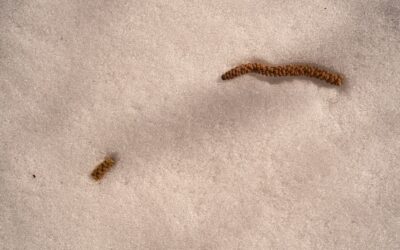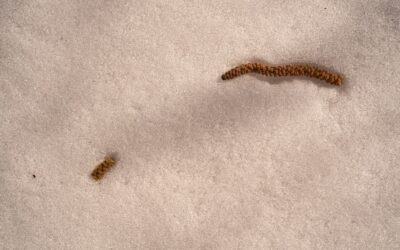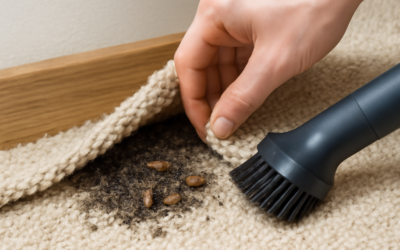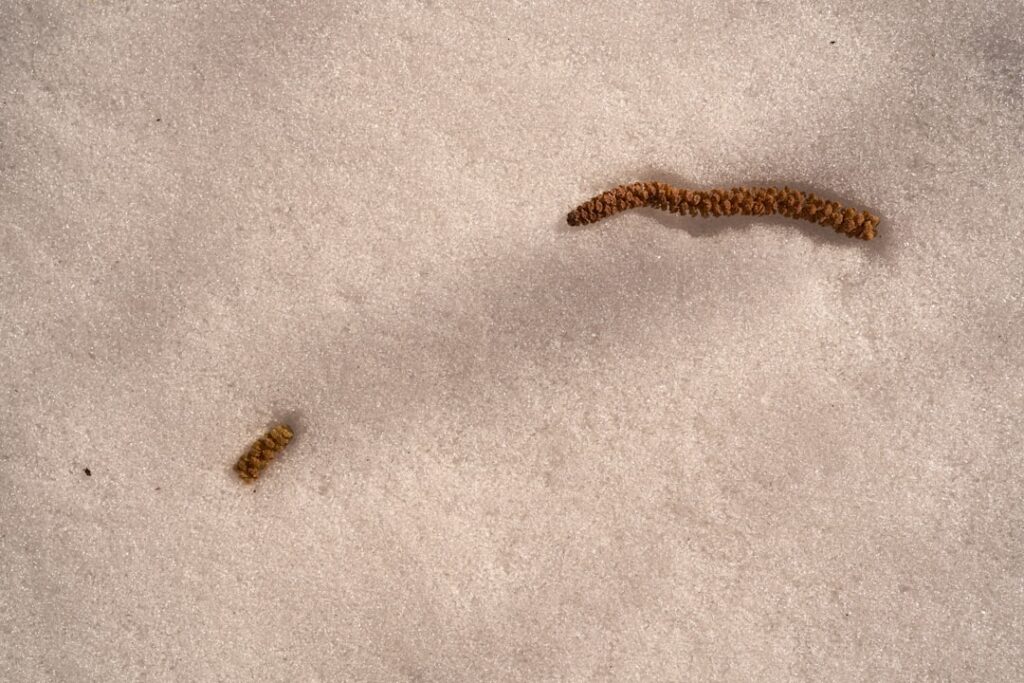
If you have found small, bristly, carrot-shaped worms in a closet or along a baseboard, you may be looking at black carpet beetle larvae, one of the most common and destructive fabric pests in American homes. The larvae, not the adult beetles, do the damage, quietly chewing through wool rugs, sweaters, upholstery, and stored clothing. Correctly identifying them is the first step, because they are easily confused with other beetle larvae and even bed bugs. This guide focuses on what they look like, where they live, and how to recognize an infestation early.
What Black Carpet Beetle Larvae Look Like
Black carpet beetle larvae are unmistakable once you know the signs. They are typically 1/8 to 1/4 inch long, elongated and tapering toward the rear like a tiny carrot. Their color ranges from light golden brown to dark reddish brown, and the body is covered in short, stiff bristles with a distinctive tuft of longer hairs at the tail end. They move slowly and tend to curl up or play dead when disturbed.
The adult beetle is a different creature entirely: a small, oval, shiny black beetle about 1/8 to 3/16 inch long, often found near windows because adults are drawn to light and feed on pollen outdoors. Seeing adults indoors usually means larvae are developing somewhere in the home.
How to Tell Them Apart From Look-Alikes
Several pests get mistaken for carpet beetle larvae, and getting the ID right changes how you respond.
- Varied and furniture carpet beetle larvae: close relatives that are shorter, plumper, and more banded in appearance. The black carpet beetle larva is longer, narrower, and more tapered.
- Clothes moth larvae: smooth, cream-colored, caterpillar-like worms without bristles, often inside a silken case or tube. No stiff hairs.
- Bed bugs: flat, reddish, oval insects that bite people and cluster near sleeping areas. Carpet beetle larvae do not bite or feed on blood.
- Silverfish: fast, fish-shaped, silvery insects with three tail filaments and no bristles.
The key tell for black carpet beetle larvae is the bristly, segmented body with the long hair tuft at the tail and the slow, hidden behavior.
Where They Hide
These larvae seek out dark, undisturbed spots near a food source. Because they feed on natural fibers and animal-based materials, they thrive wherever wool, silk, fur, feathers, leather, lint, hair, and dead insects collect. Check the edges and undersides of rugs, the backs of closets, inside stored wool and cashmere, around baseboards and floor vents, beneath heavy furniture, and in attics or wall voids where dead insects or bird and rodent nests provide a meal.
They also dine on pantry-style items such as pet food, cereals, and dried goods, so an infestation is not always limited to fabrics. Larvae can wander surprising distances from where they hatched, which is why you may spot them on walls or ceilings far from the actual breeding site.
The Damage They Cause
Black carpet beetle larvae chew irregular holes and bare patches in wool carpet and rugs, leaving the fibers thin or eaten through. On clothing they create small holes and damaged areas, often along folds and seams of stored garments. They also leave behind telltale debris: shed brown bristly skins (cast skins) as they molt, and small fecal pellets about the size of a grain of salt near feeding areas.
Unlike clothes moths, carpet beetle larvae do not spin webbing, so finding holes plus shed skins and no silk points toward beetles rather than moths. The damage accumulates slowly, which is why infestations often go unnoticed until a favorite sweater or rug edge is already ruined.
Early Warning Signs of an Infestation
Catching the problem early limits the damage. Watch for these indicators:
- Slow-moving bristly larvae in closets, drawers, or along baseboards.
- Brown, shell-like shed skins that look like tiny hollow versions of the larvae.
- Adult black beetles near windowsills in spring and early summer.
- Unexplained holes or thinning patches in wool, silk, or fur items.
- Fine, sand-like fecal pellets near stored fabrics or under rugs.
The Black Carpet Beetle Life Cycle
Understanding the life cycle explains why these pests are so persistent. The black carpet beetle goes through complete metamorphosis: egg, larva, pupa, and adult. A female lays dozens of eggs near a food source, and those eggs hatch into the destructive larvae within a couple of weeks. The larval stage is the longest and most damaging, sometimes lasting many months to over a year depending on temperature and food availability, which is why you can find larvae of many sizes at once.
After feeding and molting repeatedly, the larva pupates and emerges as an adult. The adults live only a few weeks, feed on pollen outdoors, mate, and the females return to lay eggs in dark, fiber-rich indoor spots. Because the larval stage drags on for so long, an infestation can persist quietly for a year or more, and seeing a single adult often means an unseen population of larvae is already established somewhere in the home.
What Attracts Them to Your Home
Black carpet beetles are drawn indoors by two things: light and food. Adults are attracted to light and often enter through open windows and doors or on cut flowers and plants. Once inside, they seek out the materials their larvae eat. Homes with wool carpets and rugs, natural-fiber upholstery, stored woolens and furs, lots of pet hair, accumulated lint, or dead insects in light fixtures and window tracks offer ideal breeding conditions. Bird and rodent nests in attics and chimneys are another classic, hidden food source. Reducing these attractions is the foundation of both control and long-term prevention.
Why Identification Matters
Correctly identifying black carpet beetle larvae tells you exactly what to target: natural-fiber food sources, hidden debris, and dark storage areas, rather than the bites or sleeping areas you would chase with bed bugs. It also signals how urgent the situation is, since the larval stage can last months and a single female adult lays dozens of eggs. Once you have confirmed the pest, the next step is removal and prevention, which centers on thorough cleaning, laundering, and eliminating the materials they feed on. For widespread or recurring infestations, a licensed pest control professional can pinpoint hidden breeding sites and treat them safely.
Prefer to explore on your own?
See how new flooring looks in your actual room in seconds — free, no signup.
Try the free Floor Studio →