Finding small holes in a wool sweater or shed bristly skins along a baseboard is often the first sign of an unwelcome houseguest. The banded black carpet beetle is a common pest that quietly feeds on natural fibers, damaging carpets, clothing, upholstery, and stored items. This guide explains how to identify it, why it shows up, and the practical, EPA-aligned steps you can take to control and prevent an infestation.
What the Banded Black Carpet Beetle Looks Like
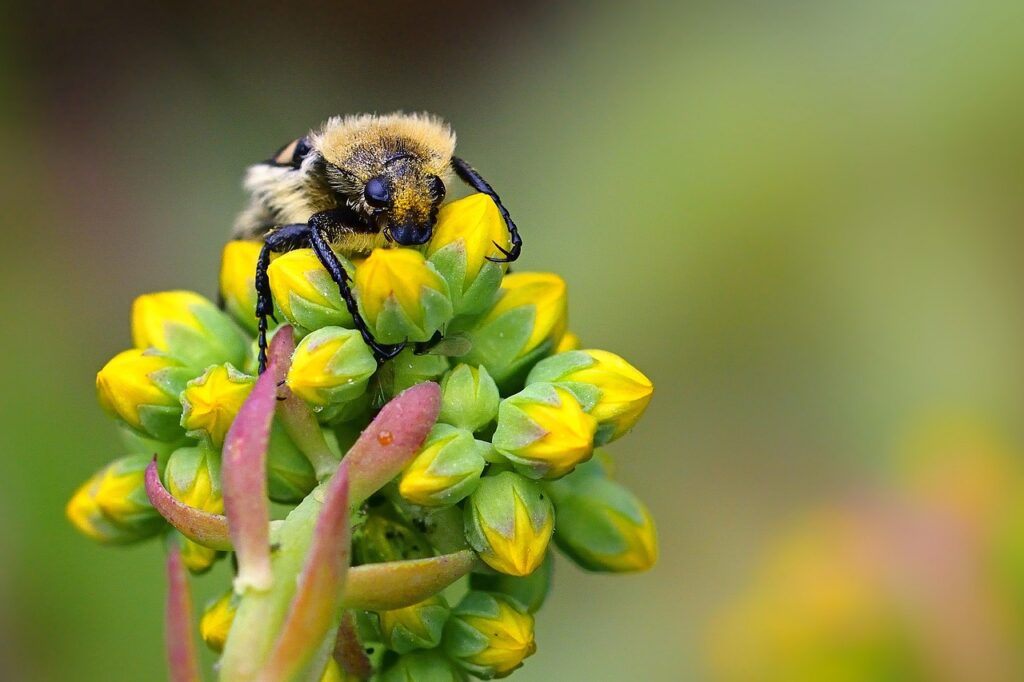
Knowing what you are dealing with is the first step. Adults are small, typically only about an eighth of an inch long, with a rounded body. As the name suggests, they often display banded or mottled markings across the wing covers, though coloring can vary.
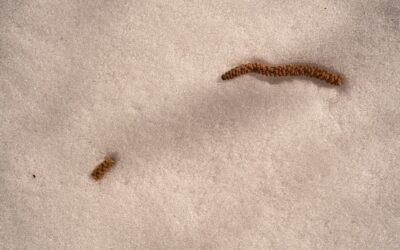
The real damage, however, comes from the larvae, not the adults. Larvae are elongated, brownish, and covered in stiff hairs or bristles, giving them a fuzzy appearance. They tend to avoid light and feed in dark, undisturbed places, which is why infestations often go unnoticed until the damage is visible.
Signs of an Infestation
Because these beetles work out of sight, you usually spot the evidence before the insects themselves. Watching for the following clues helps you catch a problem early.
- Irregular holes or thinning patches in wool, silk, fur, or feather items.
- Shed larval skins, which look like tiny hollow bristly casings, in closets and drawers.
- Small fecal pellets near damaged materials.
- Adult beetles near windows, since they are drawn to light and often fly to glass.
- Damage to stored items, pet hair accumulations, or lint in hidden corners.
Damage concentrated in dark, rarely cleaned areas such as closet floors, under furniture, and inside storage boxes is a classic signature of carpet beetle activity.
What Attracts Them and What They Eat
These pests feed on materials made of keratin and other animal-based fibers. Understanding their food sources tells you where to look and what to protect.
Larvae target wool, silk, leather, fur, feathers, and felt, and they will also feed on accumulations of pet hair, dead insects, and lint. Adults, by contrast, feed on pollen and nectar outdoors, which is how they often enter homes in the first place, sometimes hitchhiking in on cut flowers or flying in through open windows. Stored natural-fiber items that sit untouched for long periods are especially vulnerable.
How to Get Rid of Them
Controlling an infestation relies mostly on thorough cleaning and removing the food sources, which aligns with guidance from pest-control authorities. Chemicals are a last resort and should be used carefully.
- Vacuum thoroughly and frequently, paying special attention to carpet edges, under furniture, closet floors, and along baseboards. Empty the vacuum afterward.
- Launder infested washable items in hot water and dry on high heat, or dry-clean items that cannot be washed.
- Place items that cannot be washed, such as certain delicate fabrics, in a freezer for several days to kill larvae, if appropriate for the material.
- Clean and declutter storage areas, discarding heavily damaged items.
- Store clean wool and other natural-fiber items in sealed containers or garment bags.
If an infestation is widespread or keeps returning despite diligent cleaning, contact a licensed pest control professional. Always follow label directions on any insecticide product and keep treatments away from food and out of reach of children and pets.
Preventing Future Problems
Prevention is far easier than eradication. A few consistent habits make your home far less inviting to these pests.
- Vacuum regularly, including the hidden, low-traffic areas where larvae prefer to feed.
- Clean items before long-term storage, since body oils and food stains attract larvae.
- Use sealed containers for storing wool, fur, and other natural-fiber goods.
- Inspect cut flowers and second-hand textiles before bringing them indoors.
- Install or repair window screens to limit adults flying in from outside.
Routine cleaning that removes lint, pet hair, and dead insects eliminates the food supply larvae depend on, which is the most effective long-term defense.
Protecting Carpets and Textiles
Since carpets are a frequent target, give them extra attention. Move furniture periodically to vacuum the protected areas underneath, where larvae like to hide and feed undisturbed. For valuable wool rugs, professional cleaning on a regular schedule both refreshes the fibers and disrupts any developing infestation.
Closets deserve the same diligence. Rotate and inspect stored clothing, keep the floor clear, and avoid letting natural-fiber garments sit untouched for months at a time.
When to Call a Professional
Most light infestations respond well to thorough cleaning and the steps above. But if you continue to find larvae and fresh damage after weeks of effort, or if the problem spans multiple rooms, a licensed pest control company can identify breeding sites you may have missed and apply targeted, label-compliant treatments.
The Carpet Beetle Life Cycle
Understanding how these insects develop explains why patience and persistence matter so much in controlling them. The damage-causing larval stage can last surprisingly long, which is why a single round of cleaning rarely solves the problem.
The cycle runs from egg to larva to pupa to adult. Adults lay eggs near a food source, often in dark, protected spots. The eggs hatch into the bristly larvae that do all the feeding and damage, and this larval stage can stretch over many weeks or months depending on conditions. The larvae then pupate and emerge as adults, ready to repeat the cycle. Because the larvae feed slowly and hide well, an infestation can persist quietly long after the adults you noticed have died off.
Telling Carpet Beetles From Clothes Moths
Carpet beetles are often confused with clothes moths, since both damage natural fibers. Identifying the right culprit helps you target your control efforts correctly.
- Carpet beetle damage: Irregular holes, often with bristly shed larval skins and fecal pellets nearby.
- Clothes moth damage: Often accompanied by silken webbing, tubes, or cases, which carpet beetles do not produce.
- The pests themselves: Carpet beetle larvae are bristly and beetle-like, while clothes moth larvae are smooth, pale caterpillars.
If you see fine webbing along with the damage, you are more likely dealing with moths. The bristly shed skins and absence of webbing point clearly to carpet beetles, which guides your cleaning and storage strategy.
Caught early and managed with consistent cleaning, the banded black carpet beetle is a manageable pest rather than a disaster. Stay vigilant about hidden, undisturbed areas, protect your natural-fiber items, and you can keep your carpets and textiles safe without resorting to harsh measures.
Prefer to explore on your own?
See how new flooring looks in your actual room in seconds — free, no signup.
Try the free Floor Studio →