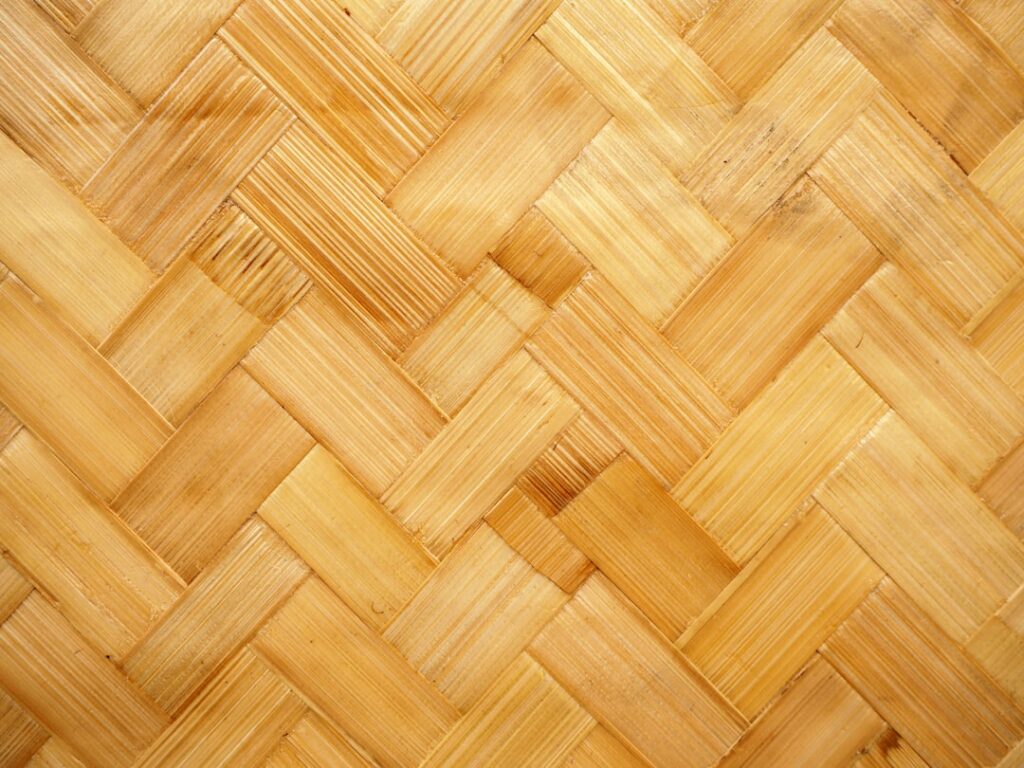
Chevron flooring is one of the most visually striking floor patterns in interior design. With its perfectly aligned V-shaped points creating continuous zigzag lines, chevron adds a sense of movement, elegance, and architectural interest to any room. Once reserved for grand European estates and Parisian apartments, chevron flooring has become increasingly accessible to homeowners thanks to modern manufacturing and a wider range of material options.
In this comprehensive guide, we cover what makes chevron unique, how it differs from herringbone, the materials available, realistic cost expectations, and practical installation advice to help you decide if chevron flooring is right for your home.
- What Is Chevron Flooring?
- Chevron vs Herringbone: Understanding the Difference
- Chevron Flooring Material Options
- Common Chevron Angles and Sizes
- Chevron Flooring Cost
- Chevron Flooring Installation
- Best Rooms for Chevron Flooring
- Chevron Flooring Design Tips
- Pros and Cons of Chevron Flooring
- Frequently Asked Questions About Chevron Flooring
- What is the difference between chevron and herringbone flooring?
- Is chevron flooring more expensive than herringbone?
- Can chevron flooring be installed as a DIY project?
- What angle should I choose for chevron flooring?
- Does chevron flooring make a room look bigger?
- What type of wood is best for chevron flooring?
- Can I use chevron flooring in a kitchen or bathroom?
What Is Chevron Flooring?
Chevron is a geometric floor pattern in which individual planks are cut at an angle — typically 45 degrees, though 30-degree and 60-degree cuts also exist — so that when two planks meet, they form a perfect V-shape or point. These V-shaped points line up precisely down the center of the floor, creating clean, continuous zigzag lines that run the length of the room.
The key defining feature of chevron is that each plank is cut at an angle on both ends. This means the planks are parallelograms rather than rectangles. When assembled, the cut ends meet at a sharp point, resulting in the clean, directional V that chevron is known for.
This precise geometry is what distinguishes chevron from the visually similar herringbone pattern, which uses rectangular planks arranged in a staggered zigzag without pointed tips.
Chevron vs Herringbone: Understanding the Difference
Chevron and herringbone are the two most popular diagonal floor patterns, and they’re frequently confused. While both create a zigzag visual, the construction and resulting appearance are distinctly different.
| Feature | Chevron | Herringbone |
|---|---|---|
| Plank Shape | Parallelogram (angled cuts on both ends) | Rectangle (square-cut ends) |
| Meeting Point | Planks meet at a sharp V-point | Planks stagger — no clean V-point |
| Visual Effect | Continuous zigzag lines, very directional | Broken zigzag, more textured and complex |
| Room Effect | Draws the eye forward, elongates space | Adds visual depth and dimension |
| Installation Difficulty | More difficult — requires precise angle cuts | Moderate — uses standard rectangular planks |
| Material Waste | Higher (10%–15%) due to angled cuts | Lower (5%–10%) with rectangular planks |
| Cost | Higher — more labor-intensive | Lower — simpler cuts and layout |
| Design Style | Formal, European, elegant | Versatile — works traditional to modern |
In short: Chevron is the more refined, formal pattern with its perfect V-points, while herringbone is more versatile and forgiving. Both are beautiful — the right choice depends on the level of formality you want and your budget for installation.
Chevron Flooring Material Options
Chevron is a pattern, not a material — so you can achieve the look in a variety of flooring types. Each material offers different benefits in terms of cost, durability, and ease of installation.
Solid Hardwood Chevron
Solid hardwood chevron is the most traditional and luxurious option. Planks are precision-milled from real wood — typically oak, walnut, or maple — with angled cuts on each end. Solid wood chevron can be sanded and refinished multiple times, making it a long-term investment. However, it’s also the most expensive option and requires professional installation.
Engineered Wood Chevron
Engineered hardwood chevron planks feature a real wood veneer over a stable plywood core. This construction makes them more dimensionally stable than solid wood, allowing installation over concrete subfloors and with radiant heating systems. Engineered chevron is the most popular choice for residential projects — it delivers the authentic wood look with greater versatility.
Laminate Chevron
Laminate chevron panels feature a photographic wood-grain image layer over an HDF core. Modern laminate has become remarkably realistic, and pre-assembled chevron panels make installation much simpler than individual plank installation. Laminate is an excellent budget-friendly alternative, though it cannot be refinished.
Luxury Vinyl Chevron
Luxury vinyl tile (LVT) and luxury vinyl plank (LVP) are available in chevron patterns and offer the added benefit of being 100% waterproof. Vinyl chevron works well in kitchens, bathrooms, and basements — areas where real wood chevron isn’t practical. The visual realism of vinyl has improved dramatically, though discerning eyes may still notice the difference.
Porcelain Tile Chevron
Porcelain tiles can be manufactured in chevron shapes, often mimicking wood grain or marble patterns. Tile chevron is extremely durable, waterproof, and suitable for both indoor and outdoor use. It’s a popular choice for patterned bathroom and kitchen floors where moisture resistance is critical.
Common Chevron Angles and Sizes
The angle at which chevron planks are cut dramatically affects the visual result. Here’s how the most common angles compare:
| Angle | V-Point Appearance | Room Effect | Popularity |
|---|---|---|---|
| 45 degrees | Wide, open V | Classic, balanced — works in most rooms | Most popular |
| 60 degrees | Narrow, elongated V | Stretches the room, more dramatic | Growing trend |
| 30 degrees | Very wide, subtle V | Subtle pattern, less geometric | Less common |
Standard chevron plank sizes range from 3 to 6 inches wide and 12 to 24 inches long. Wider and longer planks create a bolder, more contemporary look, while narrower planks suit traditional interiors. The most common residential size is approximately 3.5 to 4 inches wide by 18 to 20 inches long.
Chevron Flooring Cost
Chevron flooring costs more than standard straight-lay flooring in the same material, primarily because of the additional cutting, material waste, and labor involved. Here’s what to expect:
| Material | Material Cost (per sq ft) | Installation Cost (per sq ft) | Total Installed |
|---|---|---|---|
| Engineered Hardwood | $6–$14 | $6–$12 | $12–$26 |
| Solid Hardwood | $8–$18 | $8–$15 | $16–$33 |
| Laminate | $2–$5 | $3–$6 | $5–$11 |
| Luxury Vinyl | $3–$7 | $3–$6 | $6–$13 |
| Porcelain Tile | $5–$15 | $8–$15 | $13–$30 |
On average, expect to pay 20%–40% more for a chevron installation compared to the same material installed in a standard straight or staggered pattern. The premium comes from the precision cutting, higher waste factor, and the additional time required for layout and alignment.
Chevron Flooring Installation
Installing chevron flooring is significantly more complex than a standard plank installation. The angled cuts must be absolutely precise, and every row must align perfectly for the V-points to meet cleanly. Even small errors compound quickly and become glaringly visible.
Key Installation Considerations
- Center line: Installation begins from a center guideline snapped down the middle of the room. Planks are laid outward from this line in both directions.
- Precision cutting: Every plank requires an angled cut on both ends. A miter saw set to the exact angle (typically 45 degrees) is essential.
- Adhesive or nail-down: Engineered chevron is usually glued down for the strongest bond and cleanest result. Solid wood chevron can be nailed or stapled.
- Subfloor flatness: The subfloor must be exceptionally flat — any unevenness will cause gaps at the V-points. A maximum of 3/16 inch variation over 10 feet is recommended.
- Expansion gaps: Leave a 1/2-inch expansion gap around the perimeter for wood and laminate chevron.
- Dry-lay first: Always dry-lay several rows before committing adhesive or nails to verify the alignment and overall aesthetic.
Professional installation is strongly recommended for chevron flooring. This is not a beginner DIY project — the precision required is much higher than a standard floor, and mistakes are costly to fix. Budget for experienced installers who have specific chevron and parquet experience.
Best Rooms for Chevron Flooring
Chevron flooring makes the strongest visual impact in rooms where you can see a long, uninterrupted run of the pattern. Here are the best applications:
- Living rooms and great rooms: The V-pattern draws the eye through the space, creating a sense of grandeur
- Entryways and foyers: Chevron makes a powerful first impression and establishes the design tone for the entire home
- Hallways and corridors: The directional V-shape elongates narrow spaces beautifully
- Dining rooms: Adds formality and visual interest beneath a dining table
- Master bedrooms: Creates a luxury boutique-hotel atmosphere
- Open-concept spaces: Chevron can visually unify large, open floor plans
Avoid using chevron in very small rooms (like powder rooms or closets) where the pattern will feel cramped and overwhelming. In small spaces, a simpler straight-lay or a larger-scale herringbone may be more appropriate.
Chevron Flooring Design Tips
Getting the most out of chevron flooring requires thoughtful planning. Here are expert tips to ensure your installation looks its best:
- Orient the V toward a focal point: Point the chevron V toward the main entrance, a fireplace, or a window wall to create a dramatic visual draw
- Keep furnishings simple: Chevron is a statement floor — pair it with clean-lined furniture and avoid busy rugs that compete with the pattern
- Use lighter wood tones: Light oak, ash, and whitewashed finishes let the geometric pattern shine without making the room feel dark or heavy
- Consider a border: A straight-plank border around the room’s perimeter creates a polished, framed look that enhances the chevron center
- Match the scale to the room: Use wider planks and a 45-degree angle for large rooms; narrower planks and 60-degree angles for long corridors
- Be consistent across connected rooms: If your chevron flows through multiple spaces, maintain the same direction and alignment for visual continuity
Pros and Cons of Chevron Flooring
Pros
- Stunning visual impact: One of the most elegant and eye-catching floor patterns available
- Increases perceived space: The directional V-pattern elongates rooms and adds depth
- Timeless design: A centuries-old pattern that never goes out of style
- Adds property value: Chevron floors are a premium design feature that appeals to buyers
- Material flexibility: Available in hardwood, laminate, vinyl, and tile to suit any budget
- Design versatility: Works in both classic European and contemporary minimalist interiors
Cons
- Higher cost: 20%–40% more expensive than straight-lay installations in the same material
- Complex installation: Requires precision cutting and expert labor — not DIY-friendly
- More material waste: Angled cuts generate 10%–15% more waste than rectangular cuts
- Overwhelms small rooms: The bold pattern can feel too busy in compact spaces
- Difficult repairs: Replacing individual damaged planks is harder due to the interlocking angle cuts
- Limited installer pool: Not all flooring installers are experienced with chevron layout
Frequently Asked Questions About Chevron Flooring
What is the difference between chevron and herringbone flooring?
Chevron uses planks cut at an angle on both ends, so they meet at a clean V-point. Herringbone uses rectangular planks arranged in a staggered zigzag without a pointed tip. Chevron is more formal and precise; herringbone is more textured and versatile.
Is chevron flooring more expensive than herringbone?
Yes, typically 10%–20% more expensive. Chevron requires precision-angled cuts on every plank, which increases both material waste and installation labor. Herringbone uses standard rectangular planks with simpler cuts.
Can chevron flooring be installed as a DIY project?
It’s not recommended for beginners. The angled cuts must be exact, and alignment errors become very obvious. If you have extensive flooring experience and a quality miter saw, a click-lock laminate or vinyl chevron product is the most DIY-feasible option.
What angle should I choose for chevron flooring?
The 45-degree angle is the most popular and versatile choice, working well in most room sizes and styles. A 60-degree angle creates a more elongated, dramatic V and is particularly effective in long hallways and corridors.
Does chevron flooring make a room look bigger?
Yes. The directional V-shape draws the eye forward and creates a sense of depth and movement. Pointing the V toward the longest wall or a focal point maximizes this elongating effect.
What type of wood is best for chevron flooring?
European white oak is the most popular choice for chevron flooring due to its hardness, beautiful grain, and compatibility with a wide range of stain colors. American hardwoods like walnut and hickory also work beautifully in chevron patterns.
Can I use chevron flooring in a kitchen or bathroom?
Yes, if you choose the right material. Porcelain tile chevron and luxury vinyl chevron are both waterproof and suitable for kitchens and bathrooms. Avoid solid or engineered wood chevron in wet areas unless the space is well-ventilated and spills are cleaned up immediately.
Prefer to explore on your own?
See how new flooring looks in your actual room in seconds — free, no signup.
Try the free Floor Studio →