The small iron door at the base of a masonry chimney gets ignored for decades, until it rusts shut, falls off its hinges or starts leaking cold air and a smoky smell into the basement. Chimney cleanout door replacement is usually a half-day job: measure the opening, chip out the old frame, set a new door in fresh mortar and seal it tight. A loose or missing cleanout door is more than an eyesore. It lets air into the ash pit that should be coming up the flue, which can weaken the draft and let combustion gases and carbon monoxide escape into living space.
Part of our Windows & Doors guide — explore the full guide →
Cleanout doors (also called ash pit doors or ash dumps when paired with a trap door in the hearth) give you access to the ash pit beneath the firebox, or to the base of a flue that serves a furnace or boiler. Replacement doors are inexpensive, widely sized and made of cast iron or galvanized steel. The skills involved are basic masonry: chipping, mixing and packing mortar.
- Signs You Need Chimney Cleanout Door Replacement
- Measuring and Sizing the New Door
- Tools and Materials
- Safety: Cold System, Ash and Dust
- Step-by-Step Replacement
- Sealing Against Drafts and Carbon Monoxide
- Troubleshooting and Costs
- When to Call a Certified Chimney Sweep or Mason
- Frequently Asked Questions
Do the work only when the chimney system is cold and no connected appliance is running, and treat the ash and dust as hazardous. Sizing, safety and step-by-step setting instructions are all covered here.
Signs You Need Chimney Cleanout Door Replacement
- The door is rusted through, cracked or missing.
- Hinges or latch have failed and the door hangs open or will not close.
- The frame is loose in the brick, with gaps or crumbling mortar around it.
- You feel drafts or smell smoke or soot near the door, especially when the fireplace is in use.
- Soot stains on the wall above the door, a sign gases are leaking around it.
If the bricks around the opening are cracked, spalled or loose, or the chimney base shows wider cracking, pause the project. That points to structural or moisture problems that a certified chimney sweep or mason should evaluate first.
Measuring and Sizing the New Door
Cleanout doors are sold by the size of the door and by the overall frame size. Measure carefully before you remove anything:
- Frame outside dimensions: width and height of the flange that sits against the face of the brick.
- Opening size: the clear masonry opening behind the frame. Common sizes are 8 by 8, 8 by 10, 12 by 12 and 12 by 15 inches.
- Frame depth: some frames have a deep collar that sits inside the opening.
Choose a replacement whose frame covers the opening with at least a half inch of overlap on each side. A slightly larger frame is fine, since the flange hides mortar repairs. A smaller frame leaves gaps to patch with brick and mortar. Cast iron doors last longest in damp basements; galvanized steel costs less but rusts sooner where moisture collects. Look for a door with a positive latch so it stays closed. Expect to pay roughly $25 to $100 for a standard chimney cleanout door, and more for oversized or heavy-duty cast units.
Tools and Materials
- Replacement cleanout door and frame
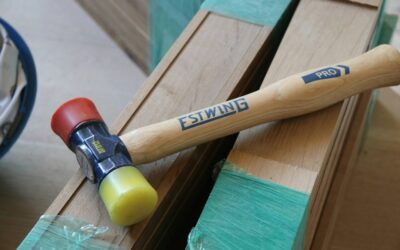
- Cold chisel, small sledge or masonry hammer, and a pointing trowel
- Type N or Type S mortar mix (or refractory mortar if the manufacturer calls for it) and a bucket
- Spray bottle, wire brush and margin trowel
- High-temperature silicone or furnace cement for sealing the door gap, if the door design allows
- Metal ash can with a tight lid, metal shovel
- N95 or P100 respirator, eye protection, gloves, long sleeves
- Shop vacuum with a HEPA filter, plastic sheeting and tape
Safety: Cold System, Ash and Dust
Start with the whole system cold. No fire in the fireplace for at least 48 hours, and if a furnace, boiler or water heater vents into the same chimney, turn it off at its thermostat and let it cool before opening the cleanout. Gas and oil appliances are licensed-pro territory, so if the cleanout serves a gas appliance flue, have a qualified technician handle the shutdown and restart and confirm safe venting afterward.
Ash pits can hold embers far longer than you expect. Stir the contents with a metal shovel, and empty the ash into a metal can with a lid. Keep that can outdoors on concrete or bare soil, at least 10 feet from the house, deck and anything combustible, for several days. Never store ash in a cardboard box, paper bag or plastic bucket.
Soot and old ash contain fine particles and combustion residue, so wear a fitted N95 or P100 respirator and eye protection while you shovel and vacuum. Chipping old mortar releases crystalline silica dust. Mist the joints with water before chiseling (wet methods), keep the respirator on, seal the work area with plastic, and clean up with a HEPA vacuum rather than a broom. Older homes may also have asbestos in some chimney components and old furnace connections, so if anything looks like gray fibrous board or cement wrap, stop and have it tested.
Step-by-Step Replacement
- Empty the ash pit. Shovel ash into the metal can, then HEPA-vacuum loose debris from the opening.
- Remove the old door. Mist the mortar around the frame. Chisel along the frame edges, working at a low angle so you do not crack the surrounding brick. Pry the frame out once it loosens.
- Clean the opening. Chip away loose mortar to sound material, brush out dust and mist the opening so dry brick does not suck water out of the new mortar.
- Dry-fit the new door. Check that it sits flat, overlaps the opening and swings freely without hitting the floor.
- Set it in mortar. Butter the back of the frame flange and the edges of the opening with mortar. Press the frame into place, check that it is level and plumb, and pack mortar into all voids around the collar.
- Tool the joints. Strike the mortar so it is flush with the brick and sloped to shed water, then brush off excess.
- Cure. Keep the mortar slightly damp by misting for 2 to 3 days, and do not use the fireplace for at least a few days, or longer if the mortar label calls for it.
- Seal the door. Once cured, confirm the latch pulls the door tight. Apply a bead of high-temperature sealant between frame and masonry where gaps remain, and replace any door gasket per the manufacturer’s directions.
Sealing Against Drafts and Carbon Monoxide
A well-sealed cleanout keeps the draft working and keeps gases in the flue. After the mortar cures, test it on a calm day with a small fire in the fireplace: hold a lit incense stick near the door edges and watch for the smoke to be drawn in or pushed out. Steady smoke means a leak that needs more sealant or mortar. Keep the door latched at all times except when cleaning.
Carbon monoxide alarms belong on every level of the home and near sleeping areas, including the basement if the cleanout is there. Because any combustion appliance can leak if venting is compromised, schedule an annual chimney inspection, and replace alarm batteries or units on the schedule their manuals give.
On heat and fire: keep the area around the cleanout door clear of stored boxes, paper and anything combustible. The door can get hot when a furnace or fireplace is running.
Troubleshooting and Costs
- Door will not close flush: the frame is out of square or set proud. Small adjustments can be made by re-bedding before the mortar sets; afterward it may need to be reset.
- Mortar cracked after curing: it dried too fast or the mix was too wet. Rake out the cracked joint and repoint.
- Rust bleeding onto the brick: paint cast iron doors with high-temperature paint and keep the area dry.
- Persistent smoke smell: the leak may be elsewhere, such as a cracked liner or smoke chamber. Call a certified sweep.
For a DIY chimney cleanout door replacement, material costs usually stay under $150. A mason or chimney company typically charges a few hundred dollars for a straightforward replacement, more if surrounding brick needs rebuilding.
When to Call a Certified Chimney Sweep or Mason
Hire a pro if the masonry around the opening is cracked or crumbling, the chimney shows leaning or wide cracks, the cleanout serves a gas or oil appliance flue, or you notice soot leaks or CO alarm activity. A certified chimney sweep can inspect the liner and smoke chamber at the same visit and confirm the system is safe to use.
Frequently Asked Questions
What size chimney cleanout door do I need?
Measure the masonry opening and the old frame. Choose a frame that overlaps the opening by at least a half inch on every side. Common sizes are 8 by 8 through 12 by 15 inches.
Can I replace a chimney cleanout door myself?
Yes, with basic masonry skills. Keep the system cold, use a respirator for ash and mortar dust, and set the frame in fresh mortar. Call a pro if the brick is damaged.
Why does a cleanout door need to seal tightly?
Leaks pull air into the base of the flue, weakening draft and potentially letting smoke and carbon monoxide escape into the house.
What mortar should I use for a cleanout door?
Type N or Type S mortar is common for setting the frame, but follow the door manufacturer’s instructions; some call for refractory mortar.
How should I dispose of ash from the cleanout?
Put it in a lidded metal can and keep it outdoors on a noncombustible surface, at least 10 feet from the house, for several days before disposal.