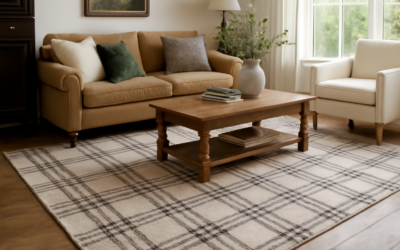
A single design blog can move an entire trend, and the checkerboard rug is a textbook case. The Chris Loves Julia checkered rug helped push the soft, tonal check pattern from niche to everywhere, showing up in mudrooms, kitchens, and playrooms across social media almost overnight. What sets their take apart from the harsh black-and-white checkerboards of the past is restraint: muted, low-contrast color pairings that read as calm and modern rather than loud and retro.
This guide breaks down who Chris and Julia are, what defines their checkered rug aesthetic, the materials and sizes to expect, how to style the look at home, and how to find the vibe on a budget, so you can bring the trend into your own space with confidence.
Who Chris Loves Julia Are
Chris and Julia Marcum are the couple behind Chris Loves Julia, one of the most-followed home design and renovation brands online. They built their audience through detailed room makeovers, honest product reviews, and collaborations with home and textile brands. When they feature or design a product, it tends to sell out, and the checkered rug became one of their signature looks. Their influence is really about a sensibility: warm neutrals, natural materials, and approachable, livable design.
What Defines the Chris Loves Julia Checkered Rug Look
The appeal of the Chris Loves Julia checkered rug style comes down to a few consistent design choices that you can recognize and replicate:
- Tonal, low-contrast checks: Instead of stark black-and-white, the pattern pairs soft neutrals, such as cream and oatmeal, sand and taupe, or muted sage and ivory. The check is legible but gentle.
- Natural or natural-look fibers: Wool and wool-blend versions give texture and a slightly nubby, handmade feel that reads high-end.
- Matte, earthy palettes: Colors lean warm and grounded, which is why the rugs blend so easily with wood tones, rattan, and linen.
- Versatile scale: The check squares are sized to feel graphic without overwhelming a small room.
That muted approach is exactly why the look works in so many rooms. A high-contrast checkerboard demands attention; a tonal check quietly adds pattern and warmth while still playing well with other textures.
Materials You’ll Encounter
Checkered rugs in this style come in a range of constructions, and the material drives both the feel and the price:
- Wool: The premium option. Naturally stain-resistant, resilient, and soft, with a rich texture. Expect the highest prices here.
- Wool blends: Wool mixed with cotton or viscose for a slightly lower price and a bit more sheen.
- Cotton flatweave: Lightweight, often washable, and budget-friendly, great for kitchens and kids’ spaces.
- Polypropylene or polyester: The most affordable, machine-washable-friendly, and easiest to clean, ideal for high-traffic or messy zones.
As a rough sense of pricing, a small washable synthetic check might run around $50 to $120, a mid-size cotton flatweave often lands near $150 to $300, and a genuine wool checkered rug in a large size can range from roughly $400 to well over $1,000. Treat these as approximate market ranges that shift with size, fiber, and retailer rather than fixed quotes.
Best Rooms and Sizes
The checkered look is famously flexible. A few placements where it consistently earns its keep:
- Kitchens: A runner (roughly 2.5×8) in front of the sink or a 4×6 under a small table. Choose washable cotton or synthetic here.
- Mudrooms and entries: The pattern hides dirt beautifully, and a durable, cleanable fiber handles wet shoes.
- Playrooms and kids’ rooms: A washable check is forgiving of spills and easy to toss in the machine.
- Living rooms: A large 8×10 or 9×12 wool check grounds a seating group with subtle pattern.
Size the rug the same way you would any area rug. In a kitchen, a runner should span most of the working aisle. Under a dining or breakfast table, add at least 24 inches beyond the table edge on all sides so chairs stay on the rug. In a living room, aim to get at least the front legs of the sofa and chairs onto the rug.
How to Style the Look at Home
Getting the calm, collected feel that defines the Chris Loves Julia checkered rug aesthetic is less about the exact rug and more about how you pair it:
- Keep contrast low. Choose a check where the two tones are close in value. That softness is the whole point.
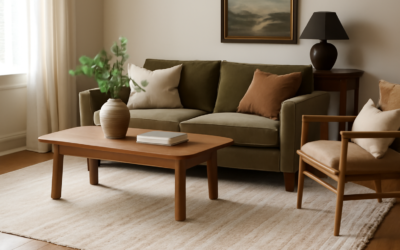
- Layer natural textures. Combine the rug with wood, rattan, linen, and matte ceramics so the pattern feels grounded, not busy.
- Let the rug be the pattern. Around a bold check, lean on solids and subtle textures elsewhere so the room stays balanced.
- Warm the palette. Cream, oatmeal, taupe, and muted green or blue reads current; stark black-and-white reads retro.
Finding the Look on a Budget
Because the trend is so popular, tonal checkered rugs are now available at nearly every price point, so you don’t need a specific designer name to get the effect. When shopping for a dupe, match three things: a muted two-tone palette, a natural-look texture (even in a synthetic), and a check scale that suits your room. Washable brands offer synthetic checks that nail the look for a fraction of a wool price, and they’re far more practical in kitchens and kids’ spaces. The design credibility of the trend comes from the palette and styling, not the label.
Care and Cleaning by Material
How you maintain a checkered rug depends entirely on what it’s made of, so match your routine to the fiber:
- Washable cotton or synthetic: The big draw here is a removable, machine-washable cover or a low-profile rug that folds into the washer. Wash cold, air or low-heat dry, and it comes out looking new. Perfect for kitchens and kids’ rooms.
- Wool: Vacuum regularly without a harsh beater bar, blot spills immediately (wool’s natural lanolin resists staining if you act fast), and have it professionally cleaned every year or two. Never soak wool or scrub it aggressively.
- Cotton flatweave: Shake it out, spot-clean with mild soap, and check the label before any full wash, since larger flatweaves may shrink or fray if machine-washed hot.
Whatever the fiber, a rug pad underneath adds grip, cushion, and airflow, and it noticeably extends the life of the rug by reducing friction against the floor.
Common Mistakes to Avoid
The tonal check is easy to get right and just as easy to get subtly wrong. Watch for these:
- Contrast that’s too high. A stark black-and-white check reads dated and busy. The current look lives in soft, close-value neutrals.
- Wrong fiber for the room. Putting a delicate wool check in a splash-heavy kitchen invites stress. Match durability to the mess.
- Buying too small. A postage-stamp rug floating in the middle of the floor undercuts the whole look. Scale it to the furniture and the space.
- Over-patterning the room. Let the rug carry the pattern and keep surrounding textiles simple so the space stays calm.
The Bottom Line
The Chris Loves Julia checkered rug came to define a whole design moment: the soft, tonal check that adds pattern and warmth without the loud contrast of a classic checkerboard. Whether you buy a premium wool version or a washable synthetic dupe, the formula is the same, low-contrast neutrals, a natural-look texture, and thoughtful pairing with wood and linen. Size it correctly for the room, choose a fiber that matches the mess level of the space, and you’ll get that collected, livable look that made the trend so popular in the first place.