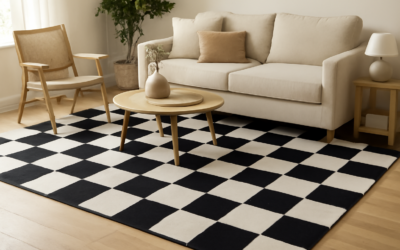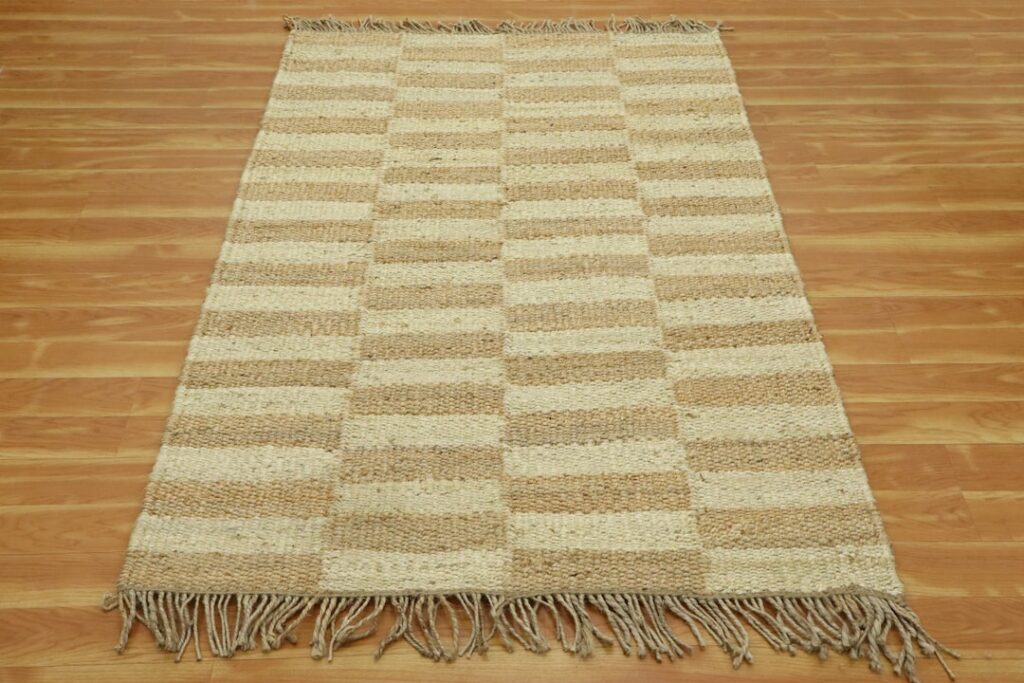
A checkered runner rug is a small purchase that makes a big visual impact. Laid down a hallway, along a kitchen galley, or up a staircase, the classic checkerboard pattern brings rhythm, retro charm, and a designer touch to spaces that otherwise feel like simple pass-throughs. The pattern has roots in everything from old farmhouse floors to mid-century diners, and it keeps coming back because it works.
Choosing the right one is about more than the pattern, though. Size, material, and color all determine whether your runner looks intentional and lasts, or curls up and shows wear within a year. Here is how to get it right.
Why Checkered Patterns Work So Well
The checkerboard is a forgiving pattern. Its repeating squares draw the eye down a narrow space, making a hallway feel longer and more deliberate. The two-tone grid hides crumbs, footprints, and minor soiling far better than a solid color, which is a real advantage in busy zones like kitchens and entryways.
It also strikes a rare balance between bold and timeless. A checkered runner reads as a confident design choice, yet the pattern is so classic that it rarely feels dated, pairing easily with both modern and traditional decor.
Getting the Size Right
Runner sizing is where many homeowners stumble. A runner that is too short looks like an afterthought, while one that is too wide crowds a hallway. Measure your space carefully before shopping.
- Leave roughly 4 to 5 inches of bare floor on each side of the runner
- In hallways, leave about 18 to 24 inches of floor at each end rather than running wall to wall
- Standard runner widths fall around 2 to 3 feet, with lengths from 6 up to 14 feet
- For long halls, consider two runners with a small gap rather than one odd custom length
Lay painter’s tape on the floor to outline a size before you buy. Seeing the footprint in your actual space prevents the common mistake of ordering a runner that looks wrong once it arrives.
Material Choices and Durability
Where you put the runner should drive the material you choose, since a kitchen runner and a guest-hall runner face very different demands.
- Wool: durable, soft, and naturally stain-resistant, ideal for high-traffic halls, at a higher price
- Cotton: casual, washable, and affordable, great for kitchens since many can go in the laundry
- Polypropylene: budget-friendly, moisture-resistant, and easy to clean, good for entries
- Jute and natural fibers: textural and earthy, best in lower-moisture, lower-traffic spots
For a kitchen, a flatweave cotton or washable runner makes the most sense because spills are inevitable. For a long entry hallway, a dense wool or quality synthetic holds up to constant foot traffic without crushing.
Choosing Your Color Combination
The classic black-and-white checkerboard is the boldest and most graphic option, perfect for making a statement in a neutral space. Softer combinations like cream and tan, sage and ivory, or navy and white deliver the pattern with a calmer, more versatile feel that blends into more color schemes.
Match the scale of the check to the space. A small, tight check reads as subtle texture and suits narrow halls, while a large, bold check makes a dramatic statement in a wider entry or kitchen. View samples in your own lighting, since contrast looks stronger in bright daylight than under warm lamps.
The Importance of a Rug Pad
A runner without a pad is a hazard and wears out faster. In high-traffic, hard-floor areas, a non-slip rug pad is essential, not optional. It keeps the runner from sliding underfoot, which matters most at the top of stairs and in busy halls where a shifting rug can cause a fall.
The pad also cushions the runner, reduces wear on the backing, and protects the floor beneath from scuffing and color transfer. Choose a pad sized slightly smaller than the runner so it stays hidden, and pick one rated safe for your specific floor type.
Cleaning and Maintenance
Runners in halls and kitchens take a beating, so easy care keeps them looking good. Vacuum regularly to lift the grit that grinds down fibers, and rotate the runner end to end every few months so wear stays even.
Blot spills immediately rather than rubbing, which pushes stains deeper. Washable cotton runners can go through a gentle laundry cycle, while wool and synthetics respond well to spot cleaning and occasional professional cleaning. Shake out smaller runners outdoors to remove embedded dirt between deeper cleanings.
Where to Buy and What to Spend
Checkered runners turn up across a wide price spectrum, and matching your spend to the location makes sense. A washable cotton runner for a kitchen can be inexpensive and easily replaced as it wears, while a hand-knotted wool runner for a prominent hallway is a longer-term investment that justifies a higher price.
- Big-box and online retailers offer the most affordable machine-made options
- Home decor and furniture stores carry mid-range designer styles
- Rug specialty shops and artisans provide premium wool and custom lengths
- Custom cutting and binding services solve awkward hallway dimensions
When shopping online, scrutinize the listed dimensions and read reviews for notes on true color and thickness, since checkerboard contrast can look stronger on screen than in person. If your hallway is an unusual length, look for retailers that offer custom-cut and bound runners, which let you get a precise fit rather than settling for a size that leaves too little or too much bare floor. Whatever your budget, prioritize a durable construction and a quality rug pad over chasing the lowest price, because a cheap runner that curls or sheds quickly is no bargain.
Styling Your Runner
A checkered runner anchors a space, so let it lead. Keep surrounding decor relatively simple so the pattern stands out rather than competing with other busy elements. In a kitchen, the runner ties together cabinet and counter colors; in an entry, it sets the tone the moment someone walks in.
Whether you go for a striking black-and-white grid or a soft neutral check, the right checkered runner rug brings pattern, comfort, and a polished finish to the hardest-working corridors of your home, and with proper sizing, a good pad, and routine care, it will hold up beautifully for years.