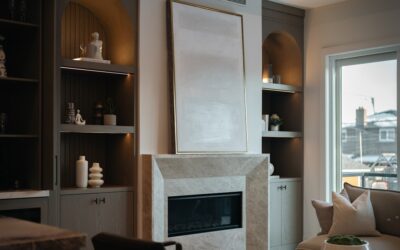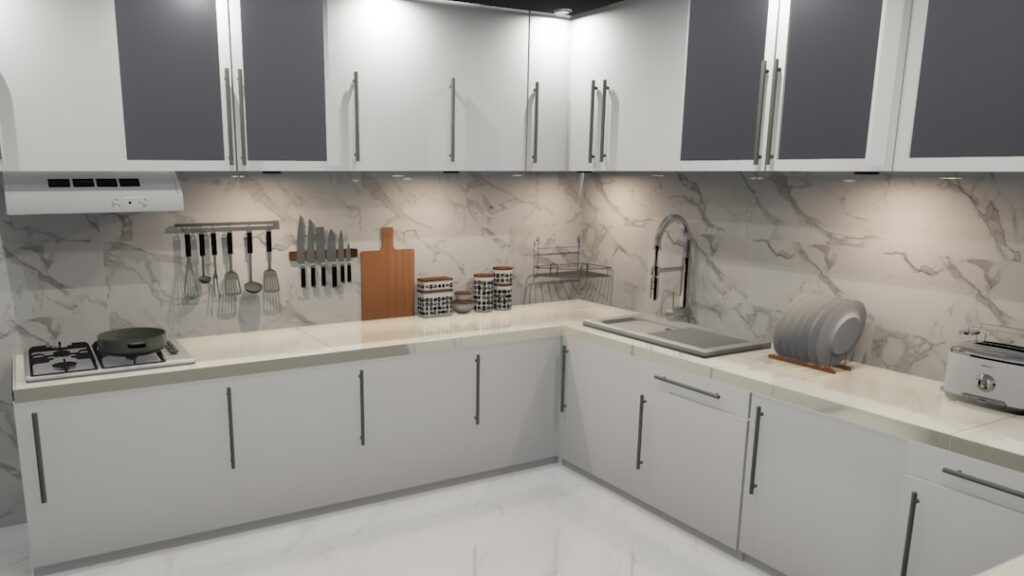
Trendy slab cabinets and high-gloss lacquer kitchens date faster than almost any other design choice in a house, often looking stale within seven years. Classic kitchen cabinets in raised panel or Shaker styles have looked at home in American kitchens since the 1920s and still anchor 60 percent of new builds today. After installing kitchens for two decades, the same handful of door profiles, wood species, and finish combinations keep aging gracefully while flashy alternatives end up in landfills. The trick is knowing which classic details actually hold up under daily cooking, cleaning, and family wear.
What Defines a Classic Cabinet
Classic cabinets share four traits regardless of the specific style. They use solid wood frames with plywood boxes rather than particleboard. They feature five-piece door construction with a floating center panel that allows seasonal wood movement. They use traditional joinery like dovetailed drawers and full mortise hinges. And they wear paintable or stainable finishes that can be refreshed in 15 years instead of replaced.
Within that framework, three door styles dominate. Shaker with its flat recessed panel works in transitional, farmhouse, and modern homes. Raised panel with a beveled center reads more traditional and pairs with crown molding. Inset doors, where the door sits flush inside the face frame instead of overlaying it, deliver the highest-end classic look and run 30 to 40 percent more than standard overlay.
Wood Species That Age Well
Cherry, maple, and white oak dominate classic kitchens for good reason. Cherry darkens to a rich amber over five to ten years and hides small scratches in its grain. Maple takes paint better than any other domestic species because the grain stays uniform. White oak resists water and dents better than red oak and reads more current with rift-sawn or quarter-sawn cuts.
Skip alder unless your budget is tight. It dents easily and shows water rings within months. Birch costs less than maple but yellows under UV exposure within two years. Hickory has dramatic grain that polarizes buyers when you sell. If you want painted cabinets, specify maple or poplar. If you want stained, specify cherry, white oak, or rift-sawn walnut for darker palettes.
Painted vs Stained: Which Lasts Longer
Stained finishes outlast paint by roughly two to one in real-world use. Stain penetrates the wood and chips do not show as bright white nicks the way damaged paint does. A quality stain plus conversion varnish topcoat will hold up 20 to 30 years before needing refinishing. Painted cabinets in white, off-white, or pale gray hold up about 10 to 15 years before chips on edges and around hardware become noticeable.
If you want paint, insist on a factory-sprayed conversion varnish or catalyzed lacquer finish. Latex paint applied on-site looks fine for two years and then shows brush marks, yellows in sunny kitchens, and chips at every drawer pull. Sherwin-Williams Emerald Urethane Trim Enamel sprayed by a finish carpenter splits the difference for refacing jobs.
Pricing Classic Cabinets per Linear Foot
Stock classic cabinets from Lowes or Home Depot run $90 to $180 per linear foot installed. Semi-custom from KraftMaid, Schuler, or Diamond runs $200 to $400. Fully custom local shop work runs $450 to $900 per linear foot. A typical 25-foot kitchen sits at $5,000 to $22,500 in cabinets alone, before counters, hardware, or labor outside of cabinet installation.
Inset construction adds 30 percent. Soft-close everything adds about $15 per drawer and $8 per door. Glass-front uppers add $80 to $150 per door. Custom paint colors outside the standard catalog typically add 10 to 15 percent. Get three bids on identical specifications because cabinet pricing is the least transparent line in any kitchen remodel.
Hardware That Matches the Style
Cup pulls and knobs in unlacquered brass, oil-rubbed bronze, or polished nickel are the safe classic choices. Skip satin nickel if you want timeless, because it reads early 2000s. For Shaker cabinets, simple bar pulls in 3 to 4 inch sizes look right. For raised panel doors, cup pulls on drawers and round knobs on doors hit the traditional sweet spot.
Plan on $8 to $35 per piece for quality hardware from Top Knobs, Emtek, or Schaub. Allow 15 to 25 pieces for an average kitchen, which means $150 to $850 in hardware alone. Cheaper hardware from big-box stores looks fine for the first year but the lacquer wears off, the finish dulls, and inconsistent base metals tarnish at different rates.
Crown Molding and Trim Details
What separates builder-grade from custom-looking classic kitchens is the trim. Stacked crown molding with two or three layers of profile reads expensive even on stock cabinets. Light rail under upper cabinets hides under-cabinet lighting strips and adds a finished edge. Furniture base molding at the floor and decorative feet at island corners turn cabinet boxes into freestanding-looking furniture.
Budget $200 to $600 in trim materials for a typical kitchen plus 8 to 14 hours of finish carpenter labor at $65 to $95 per hour. Skipping trim saves money but leaves a kitchen looking like a rental flip.
Storage Upgrades Worth Paying For
Three internal upgrades pay back every dollar. Soft-close undermount drawer slides from Blum or Hettich last 30 years and protect drawer fronts from slamming. Pullout trash and recycling cabinets keep counters clear and tuck the worst eyesore behind a door. Roll-out trays inside lower cabinets eliminate the back corners where stuff goes to die.
Lazy Susans, spice pullouts, and tray dividers are nice to have. Pegged drawer organizers in deep drawers work better than dedicated dish cabinets. A pantry pullout with five tiers holds more than a single 24-inch pantry cabinet and costs less than a full pantry tower.
Layout Mistakes That Cheapen the Look
Three layout flaws make even expensive classic cabinets look budget. Fillers wider than 3 inches between cabinets and walls or appliances draw the eye to wasted space. Mixing more than two cabinet heights on the same wall reads chaotic. And running upper cabinets short of the ceiling without crown molding to bridge the gap leaves a dust-collecting ledge that screams builder-grade.
Either run uppers to 42 inches with a 12-inch soffit gap, or run them to 36 inches and stack a row of glass-front display cabinets above. Both look intentional. The half-measure of 36-inch uppers with empty space above looks unfinished.
How to Plan Your Project
Measure twice, draft once, then live with the layout on paper for two weeks before ordering. Sketch out your work triangle between sink, stove, and refrigerator with no leg over 9 feet or under 4 feet. Build in 36 inches of uninterrupted counter beside the stove and 18 inches beside the fridge. Then commit to one cabinet style, one wood species, and one finish across the whole kitchen. Mixing classic styles within a single room is the fastest way to ruin the timeless look you paid for.