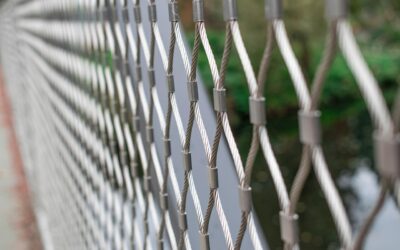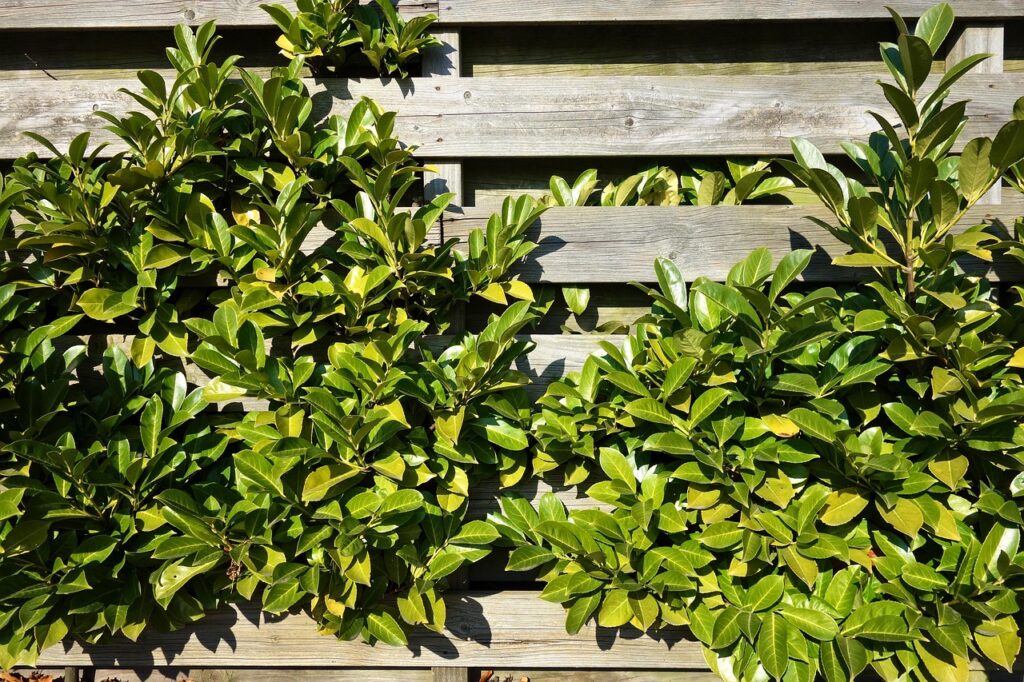
Staring at your neighbor’s trash cans from your patio is a solvable problem. The right fence covering turns a dull chain-link or weathered board fence into a privacy screen, a green wall, or a design feature, usually for under $500 per 10-foot section. The hard part is matching the covering to the fence structure, local wind loads, and how much maintenance you actually want to take on.
Part of our Decks & Outdoor guide — explore the full guide →
Types of Options Worth Considering
These products fall into four broad categories: artificial privacy screens (bamboo roll, reed, or synthetic ivy), living plant covers (climbing vines or espaliered shrubs), rigid panels (lattice, trellis, horizontal wood slats), and fabric or vinyl wind screens. Each has trade-offs in price, durability, and visual character.
Fast-growing privacy plants provide the most natural look but take 1 to 3 seasons to fill in. Synthetic screens solve the privacy problem immediately but look artificial up close. Rigid panels split the difference and last the longest but require real carpentry.
Bamboo and Reed Roll Screens
Bamboo roll screens are the cheapest and fastest option. A 6-by-16-foot roll of carbonized bamboo runs $40 to $80 at home centers, enough to cover a typical backyard fence section. Attach with heavy-duty cable ties through pre-drilled wire spines every 6 inches along the top and bottom.
Expect 3 to 5 years of life from carbonized bamboo exposed to weather, less in regions with heavy UV or ice loads. Reed rolls (made from river reed or common cattail) are similar in price and typically last 2 to 4 years. Both look best when used to cover a chain-link fence; over solid board fencing, they add visual depth but can trap moisture against the existing fence.
Artificial Ivy and Greenery Panels
Synthetic ivy panels are sold in 40-by-40-inch squares (about 11 square feet) for $25 to $50 each, or in 39-inch-wide rolls at $15 to $25 per linear foot. UV-resistant versions hold their color for 5 to 8 years; non-UV-stabilized versions fade to gray within two seasons.
The installation is simple: zip-tie the backing to the fence frame at 6 to 12-inch intervals. Fit adjacent panels with overlapping edges so the seams disappear. Premium brands like GreenSmart Decor and Windscreen4less use denser leaf coverage and UV-stabilized PE resin that stays green without peeling.
Living Vines and Climbing Plants
For a green wall that actually grows, plant at the base of the fence and train the vines up support wires or a trellis. Boston ivy, Virginia creeper, and climbing hydrangea cover a 6-by-8-foot section within 2 to 3 seasons. Expect to pay $15 to $40 per gallon container and space plantings 3 to 6 feet apart.
Avoid English ivy in most US climates. It is invasive in the Pacific Northwest, Southeast, and Mid-Atlantic regions, and its aerial rootlets damage wood fence boards and siding. Clematis and honeysuckle offer flowers plus coverage without the damage. For evergreen coverage, consider confederate jasmine in zones 8 and warmer or climbing euonymus in colder zones.
Lattice and Trellis Panels
Wooden lattice panels sold at home centers come in 4-by-8-foot sheets for $25 to $45 in pressure-treated pine and $80 to $160 in cedar. Mount them with 1×2 trim boards creating a frame on the existing fence, then secure through the lattice grid every 12 to 16 inches with exterior screws.
Vinyl lattice at $40 to $90 per 4-by-8 panel lasts 20 to 30 years outdoors without maintenance. The trade-off is a plastic appearance that looks cheaper up close than wood. Metal lattice or welded-wire trellis panels offer a modern look for $60 to $150 per 4-by-8 piece and pair nicely with climbing roses or jasmine.
Horizontal Slat Upgrades
To convert a basic vertical board fence into a modern horizontal-slat look, screw 1×4 or 1×6 cedar boards horizontally across the existing fence face with a 3/8 to 1/2-inch gap between boards. A 50-foot fence section consumes about 80 to 100 linear feet of cedar boards at $2 to $4 per linear foot, plus stainless steel screws.
Seal the cedar with a penetrating oil finish like Cabot Australian Timber Oil ($55 per gallon, covers 150 square feet) to maintain the color. Left untreated, cedar silvers to a pleasant gray within 12 to 18 months. That is a design choice, not a maintenance failure.
Wind Load and Structural Considerations
Adding any solid barrier dramatically increases wind load on the fence. A 6-foot-tall chain-link fence covered with bamboo roll catches wind like a sail and can rack or topple if the posts are undersized. Posts should be 4-by-4 or larger, set at least 30 inches deep in a concrete footing, spaced no more than 6 to 8 feet apart to handle solid panels.
Check your HOA rules and local setbacks before changing the fence appearance. Some covenants explicitly ban exterior fence modifications, and some jurisdictions require permits for fences over 6 feet tall. A $40 bamboo roll is not worth a fine that runs into the hundreds.
Maintenance and Seasonal Care
Pressure wash synthetic ivy and bamboo screens once per year in spring at a low 1,200 psi setting to remove pollen and mildew. Check zip ties and replace any that have degraded; UV-stabilized ties cost pennies apiece and should last 5 to 7 years.
Prune vines in late winter before new growth emerges. Boston ivy and Virginia creeper can grow 10 feet per season and will take over gutters, windows, and roof edges if left unchecked. Living coverings are low-cost but not zero-maintenance; budget 2 to 4 hours per season for trimming and training.