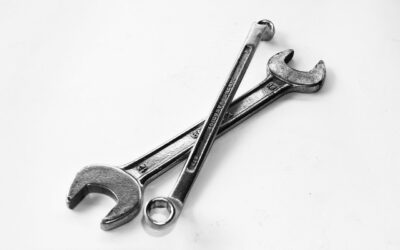
Chrome looks gorgeous when it is new and disastrous when it is neglected. Knowing how to clean chrome properly is the difference between fixtures that look factory-fresh for a decade and ones that pit, dull, and rust within two years. The metal itself is durable, but the polished surface is unforgiving — the wrong abrasive scratches it in seconds, and acidic cleaners that work on stainless can permanently etch chrome. Different chrome applications need different approaches, from bathroom faucets to car wheels to motorcycle exhaust pipes. Here is what professionals use.
Understanding What Chrome Actually Is
Chrome is not solid. It is a thin layer of chromium electroplated over a base metal — typically steel, brass, or zinc die-cast. The chromium layer is only 0.0002 to 0.001 inches thick. That micro-thin coating gives chrome its mirror finish but also its vulnerability. Once you scratch through the chrome, the base metal beneath corrodes rapidly.
This explains why standard cleaners that work fine on stainless steel destroy chrome. Stainless is a homogeneous alloy throughout. Chrome is a coating. The mistake of treating them identically is responsible for most of the pitted, rusted fixtures you see in older homes.
Daily and Weekly Maintenance
For light cleaning of bathroom fixtures, kitchen faucets, and trim, the safest approach is the simplest. Wipe with a microfiber cloth dampened in warm water and a drop of dish soap (Dawn Original works fine, around $3.50 a bottle). Dry immediately with a second clean microfiber cloth.
The drying step matters more than the cleaning step. Water spots and mineral deposits form within minutes when chrome air-dries. Water spots are not just cosmetic — they accumulate calcium and magnesium that eventually etch into the chrome surface. A 10-second dry on every fixture after use eliminates 90% of long-term chrome problems.
For chrome in shower environments, use a daily shower spray like Method Daily Shower ($4.50) or Tilex Daily Shower ($5) after each shower. The surfactants prevent soap scum and hard water deposits from bonding to the surface.
Removing Water Spots and Light Mineral Buildup
White hazy buildup on chrome is calcium and magnesium from hard water. The fix is acid, but only the right acid and only for the right amount of time.
White distilled vinegar (5% acetic acid, pH around 2.5) is the safest option. Soak a microfiber cloth in vinegar, wrap the affected fixture, leave it for 5 to 10 minutes, then wipe off the loosened deposits. Rinse with clean water and dry. Avoid extended vinegar exposure on chrome — beyond 30 minutes the acid begins etching the chromium layer.
For stubborn deposits, lemon juice (citric acid, pH around 2.3) cuts faster than vinegar. Apply with a soft cloth, let dwell 3 to 5 minutes, rinse and dry. Real lemon works better than reconstituted lemon juice from a bottle because the higher acidity in fresh juice penetrates faster.
Never use CLR, Lime-A-Way, or other industrial-strength descalers on chrome. They contain hydrochloric or phosphoric acid that strips chromium plating in minutes. The Lowe’s and Home Depot shelves are full of products specifically labeled “Not for chrome” that homeowners ignore at their peril.
Polishing for Deep Shine
For chrome that has dulled despite cleaning, polishing restores the mirror finish. Use a dedicated chrome polish — Mothers Mag and Aluminum Polish ($10 for 5 oz), Flitz Polish Paste ($12 for 5.3 oz), or Simichrome Polish ($14 for 1.76 oz). These contain a very fine abrasive (typically 5,000 grit equivalent) suspended in a wax or oil base.
Apply a pea-sized amount to a clean microfiber cloth. Rub the chrome surface in tight circles with light pressure. The cloth darkens as it lifts oxidation. Buff off with a fresh microfiber after 30 seconds. The result is a mirror finish that resists fingerprints and water spots for weeks.
Use polish sparingly — once every 3 to 6 months is plenty for indoor fixtures. Outdoor chrome on cars, motorcycles, and grills benefits from monthly polishing because UV and weather accelerate oxidation.
Tackling Rust on Chrome
Surface rust shows up when the chromium plating has been scratched or compromised, allowing the base metal to oxidize. Catch it early and you can stop the spread. Wait too long and the chrome bubbles and flakes off in patches.
For light surface rust, aluminum foil and water is the surprisingly effective technique. Tear off a 4 by 4 inch piece of foil, crumple it slightly, dip it in water, and rub the rusted area with light pressure. The aluminum is softer than chrome and removes rust without scratching the plating. Bar Keepers Friend Soft Cleanser ($4) also works — the oxalic acid dissolves iron oxide, and the fine abrasive lifts the residue.
For pitted or deeply rusted chrome, no cleaning method restores the plating. The fixture is at end of service. Options are replacement, re-chroming (specialty service running $50 to $300 per item plus shipping), or accepting the patina.
Car Wheels, Bumpers, and Trim
Automotive chrome faces tougher conditions than bathroom chrome. Brake dust, road salt, and sun exposure all accelerate degradation. The cleaning routine has to match the demands.
For wheel chrome, start with a dedicated wheel cleaner that is labeled chrome-safe. Sonax Wheel Cleaner Plus ($20) and Chemical Guys Diablo Wheel Gel ($15) work without acidic damage. Spray, wait 60 seconds, agitate with a wheel brush (EZ Detail Brush, $25), and rinse with high-pressure water.
Avoid acid-based wheel cleaners and so-called “iron remover” products on chrome wheels — they pit the plating. Save those for ceramic-coated or painted wheels only.
For chrome trim and bumpers, the same Mothers or Flitz polish works. Apply seasonally and follow with a coat of carnauba wax (P21S Carnauba Wax, $30) for UV protection. The wax adds a protective layer that beads water and prevents oxidation.
Motorcycle and Bicycle Chrome
Chrome exhaust pipes on motorcycles get hammered by heat, oil, and road grime. The cleaning regimen needs to account for all three.
For exhaust pipes specifically, work only when cold — never on hot chrome. Heat amplifies any cleaner’s effect and can permanently discolor the chrome. Start with Simple Green or Mothers Wheel Cleaner on a microfiber cloth to lift baked-on grime. Follow with chrome polish to restore shine. Finish with a thin coat of motorcycle-specific chrome wax (S100 Chrome Wax, $14).
Heat discoloration (blue or gold tinting on exhaust pipes) is not rust and cannot be polished out. It is permanent oxidation in the chrome layer caused by extreme heat. Live with it or replace the pipes.
What Never to Use on Chrome
Mistakes here cost real money. Memorize the do-not list:
- Steel wool and scouring pads: Even fine-grade scratches the chrome immediately.
- Comet, Ajax, and abrasive powders: Too aggressive — they scratch the polished surface.
- Bleach: Corrodes chrome at the molecular level over repeated exposure.
- Ammonia-based cleaners (Windex with ammonia): Streaks and clouds the chrome finish.
- Acid-based bathroom cleaners (Lysol Power Toilet Cleaner, The Works): Strip plating fast.
- Magic Eraser melamine sponges: Microabrasive — fine on porcelain, damaging on chrome.
Preserving the Finish Long-Term
The best way to keep chrome looking new is to never let it look bad. A 30-second weekly wipe-down with dish soap, a microfiber cloth, and proper drying prevents 95% of chrome problems. Monthly polishing on high-visibility fixtures keeps the mirror finish indefinitely. For fixtures in well water environments with iron or hardness above 7 grains per gallon, treating the water at the source (a softener or whole-house filter) saves chrome lifespan more than any cleaning product can. Five minutes a week beats a $300 fixture replacement every five years.