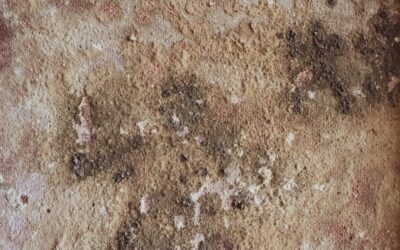
Black splotches in shower grout or gray fuzz creeping across a bathroom ceiling trigger most homeowners to reach for bleach, which is actually the wrong move in most cases. You can clean mold with vinegar and get better long-term results on porous surfaces because vinegar penetrates the material, while bleach mainly discolors the surface growth without killing the roots. Studies from the University of Arizona and the EPA back up the finding that white distilled vinegar kills roughly 82 percent of common household mold species. Here is the right way to apply it, where it works, and when you genuinely need professional remediation.
Why Vinegar Beats Bleach on Porous Surfaces
Mold is a living organism with roots (hyphae) that extend into whatever it grows on. Bleach is a large molecule that struggles to penetrate wood, drywall, grout, and fabric. It bleaches the visible surface but leaves the roots alive, which is why mold returns within weeks.
Vinegar’s small molecular size lets it soak deeper into porous materials. The 5 percent acetic acid lowers pH and denatures mold proteins, killing both the visible growth and most of the root structure. That is why scientific testing consistently shows better long-term results with vinegar on natural materials.
What Kind of Vinegar to Use
Stick with plain distilled white vinegar at 5 to 6 percent acidity. Specialty “cleaning vinegar” at 6 percent is slightly stronger but not dramatically so. Apple cider vinegar works but leaves amber staining on white grout and light fabrics.
Avoid diluting for mold treatment. You want full strength for the first application. Dilute only for maintenance sprays after the mold is gone.
The Basic Method for Hard Surfaces
This is the standard approach for bathroom walls, grout, glass, plastic, and sealed countertops. It takes about 90 minutes total, most of which is dwell time.
- Ventilate the room. Open windows and run the bath fan
- Wear gloves, an N95 mask, and eye protection
- Spray full-strength white vinegar directly on the mold. Saturate completely
- Dwell 60 minutes undisturbed. Do not wipe prematurely
- Scrub with a stiff nylon brush (not metal, which scratches)
- Wipe with a clean, damp microfiber cloth
- Spray a second light coat of vinegar and leave to air-dry
The second application is what most DIY guides miss. It prevents regrowth by leaving residual acid on the surface for days.
Cleaning Mold from Grout
Grout is the bathroom’s mold magnet. Porous, moisture-trapping, and under-ventilated, it needs extra attention.
Spray vinegar, wait 60 minutes, then make a paste of 1/4 cup baking soda and water. Work it into grout lines with a grout brush. The mild abrasive scrubbing plus the alkaline baking soda neutralizes the acid and lifts stained material. Rinse, then spray vinegar again and let dry. Repeat weekly on stubborn areas until the growth is fully gone.
After you have cleaned old grout, consider sealing it with a penetrating silicone grout sealer like Aqua Mix Sealer’s Choice Gold, about $25 per quart. One bottle seals an average bathroom and extends mold resistance by years.
Treating Fabric and Upholstery
Mold on shower curtains, cushions, and clothing is common in humid climates. Vinegar is safe on most washable fabrics but test a hidden area first for colorfastness.
- Pretreat by spraying vinegar on affected areas, dwell 30 minutes
- Add 1 cup vinegar to the wash cycle with regular detergent
- Wash on the hottest setting the fabric allows
- Air dry in direct sunlight when possible. UV kills any remaining spores
- Repeat if stains persist after one cycle
Never mix vinegar with bleach in the wash. The combination creates toxic chlorine gas.
Mold on Wood Surfaces
Wood is more forgiving than drywall but still porous. The steps are similar to hard surfaces with one addition.
After vinegar treatment and drying, sand lightly with 120 grit sandpaper to remove any surface discoloration. If the wood will be refinished, this is also the stage to check for any structural damage underneath. Significant rot means the wood needs replacement, not just cleaning.
For unfinished wood (joists, subfloor), repeat vinegar applications at 1 week intervals for 3 weeks. Spores in wood take multiple treatments to fully eliminate.
Where Vinegar Falls Short
Not every mold situation should be handled with vinegar. Skip the DIY approach in these cases and call a professional.
- Affected area larger than 10 square feet (EPA guideline)
- Any mold inside HVAC systems or on insulation
- Mold after sewage or flooding backup
- Black mold (Stachybotrys) with confirmed identification
- Anyone in the household with immune compromise, severe asthma, or allergies
- Structural materials showing rot, soft spots, or collapse
Professional remediation runs $1,500 to $5,000 for moderate cases and can exceed $10,000 for whole-house attacks. Insurance may cover water-damage-related mold but rarely covers long-term neglect.
Fixing the Moisture Source
Killing the visible mold is only half the work. If you do not fix the moisture source, the mold returns within weeks or months. Every mold cleanup should include a source investigation.
- Check bathroom exhaust fans. Run the fan during and for 30 minutes after each shower
- Look for plumbing leaks under sinks and behind toilets
- Inspect window frames for gaps allowing condensation
- Verify basement humidity stays below 60 percent with a dehumidifier
- Clean clothes dryer vents to prevent humid indoor exhaust
A $15 hygrometer placed in problem rooms tells you whether humidity is actually the driver. Aim for 30 to 50 percent indoor humidity year-round.
Preventing Regrowth
After treatment, a weekly maintenance spray keeps mold from reestablishing. Mix 1 part vinegar to 2 parts water in a spray bottle. Mist shower walls after use, wipe dry with a squeegee, and leave the fan running. This simple 2 minute habit prevents 90 percent of bathroom mold returns.
On fabric items like shower curtains, machine-wash monthly with vinegar rather than waiting for visible growth. Prevention at $0.10 per week beats treatment at $30 per incident and eventually replacing materials that were never meant to be moldy in the first place.