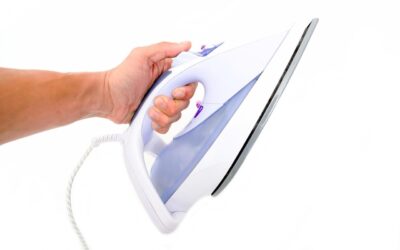
If your iron is leaving brown streaks on a white shirt or sticking to fabric mid-press, the soleplate is filthy and the steam vents are clogged. Cleaning an iron is one of those quiet maintenance jobs that adds years to a $40 to $200 appliance most people replace too early. After running through six different irons in a household laundry rotation, the methods below restore performance better than buying new.
- Why Irons Get Dirty Fast
- Soleplate: Baking Soda Paste
- Stuck-On Plastic and Fabric
- Steam Vents and Water Tank
- Commercial Iron Cleaners Worth Buying
- The Salt Trick That Actually Works
- Preventing Buildup in the First Place
- When to Replace Instead
- Cleaning Schedule by Use Frequency
- Final Tips for Long Iron Life
Why Irons Get Dirty Fast
Three things ruin a soleplate: melted synthetic fibers from polyester and nylon, starch and sizing residue from ironing dress shirts, and mineral scale from tap water boiling out as steam. Polyester at 350°F welds onto the metal like microscopic plastic film. Tap water leaves calcium carbonate inside the steam chamber, which then spits brown flakes onto your clothes the next time you press.
Most irons need a full clean every 30 to 50 hours of use. If you only iron occasionally, plan a deep clean every six months. Daily ironers should clean monthly to avoid permanent staining.
Soleplate: Baking Soda Paste
For a stainless or aluminum soleplate, mix three tablespoons of baking soda with one tablespoon of water until you get a thick paste. Unplug and cool the iron completely, then apply the paste with a soft cloth in circular motions. Don’t use steel wool or scouring pads; they scratch the smooth surface and create more snag points for future buildup. Wipe off with a damp microfiber and dry with a clean towel.
For ceramic and nonstick soleplates, swap the baking soda for a 50/50 vinegar-water mix on a soft cloth. The mild acidity dissolves starch without abrading the coating. Avoid anything labeled “scrubbing” or “abrasive” on these surfaces.
Stuck-On Plastic and Fabric
If you melted a polyester shirt onto the iron, heat the iron to its lowest setting and rub the plastic onto a clean piece of cotton fabric. Most of it transfers off while warm. For stubborn residue, unplug the iron, let it cool to room temperature, and freeze it for 30 minutes. The plastic becomes brittle and chips off with a wooden spatula or old credit card edge.
Acetone-free nail polish remover on a cotton ball lifts melted synthetics from cool soleplates. Test a small spot first on coated plates. Never use metal scrapers; one scratch ruins the glide for life.
Steam Vents and Water Tank
Cleaning an iron’s water tank starts with descaling. Fill the tank halfway with distilled white vinegar and half with water. Set the iron to its highest steam setting and let it heat fully. Hold the iron over a sink and press the steam button repeatedly for 5 to 10 minutes until the tank empties. The vinegar dissolves mineral deposits inside the chamber and pushes them out through the vents.
After the vinegar pass, empty the tank, refill with distilled water, and run another full cycle to flush out the vinegar smell. Use cotton swabs dipped in vinegar to clean the vent holes individually if any look clogged. A toothpick works for the larger holes but never use anything metal.
Commercial Iron Cleaners Worth Buying
Faultless Hot Iron Soleplate Cleaner costs around $5 a tube and dissolves starch and synthetic burns in 30 seconds with the iron on low heat. Rowenta sells a similar product at the $7 mark designed for their ceramic plates. Both work better than DIY methods on heavy buildup, but they’re overkill for routine cleaning.
Skip products labeled as “iron cleaner” if they contain ammonia or strong acids; these can pit aluminum soleplates and damage seals over time. Read the ingredient list before buying.
The Salt Trick That Actually Works
Pour a tablespoon of plain table salt onto a piece of brown paper or parchment. Set the iron to its highest setting with steam off, then press it firmly across the salt for 20 seconds in a back-and-forth motion. Repeat with fresh salt twice. The salt acts as a mild abrasive that lifts starch and light residue without scratching.
This method shines on cotton-only irons used for shirts and bedsheets. It’s a 60-second trick that revives glide between deeper cleans. Don’t try it on coated soleplates; the salt scratches nonstick finishes.
Preventing Buildup in the First Place
Always use distilled water if your tap water tests above 100 ppm hardness. A gallon of distilled water costs $1.50 and fills a typical iron tank 12 to 15 times. Empty the tank after every use to prevent mineral residue from drying inside. Store irons heel-down so any remaining water doesn’t sit against the soleplate.
Sort your ironing pile by fabric heat tolerance and start with low temperatures first. Working from cool to hot, you avoid scorching delicate synthetics on a hot plate that was just used for cotton. Add a press cloth between iron and fabric for anything synthetic to prevent melting in the first place.
When to Replace Instead
If the soleplate is pitted, scratched, or the nonstick coating is flaking, no amount of cleaning fixes it. A scratched soleplate snags fabric and leaves dark drag marks no matter how clean it looks. Cracked plastic water tanks that drip won’t seal again with adhesive.
For a household iron, expect 5 to 8 years of service with regular maintenance. Premium brands like Rowenta DW9280 or Black+Decker D3030 last 10 years or more if you keep up with cleaning an iron monthly and only use distilled water in the tank.
Cleaning Schedule by Use Frequency
Light users who iron once a month can deep-clean every six months without performance issues. Weekly users should descale the tank quarterly and wipe the soleplate after every session. Daily ironers, especially those running a small alterations business or pressing dress shirts professionally, need monthly descaling and weekly soleplate cleaning to keep glide consistent.
Track usage with a quick note on the iron itself or a sticker on the bottom recording the last clean date. After three or four cycles you’ll know whether your water hardness and ironing style demands more frequent care than the average household.
Final Tips for Long Iron Life
Always empty the water tank at the end of each session. Standing water grows biofilm inside the chamber that eventually spits onto your clothes. Store the iron upright on its heel rather than flat on the soleplate; pressure on a hot plate can transfer fabric residue and dent softer aluminum surfaces. Keep the cord coiled loosely without tight kinks; tight bends crack internal wires within a few years and create dangerous shorts.