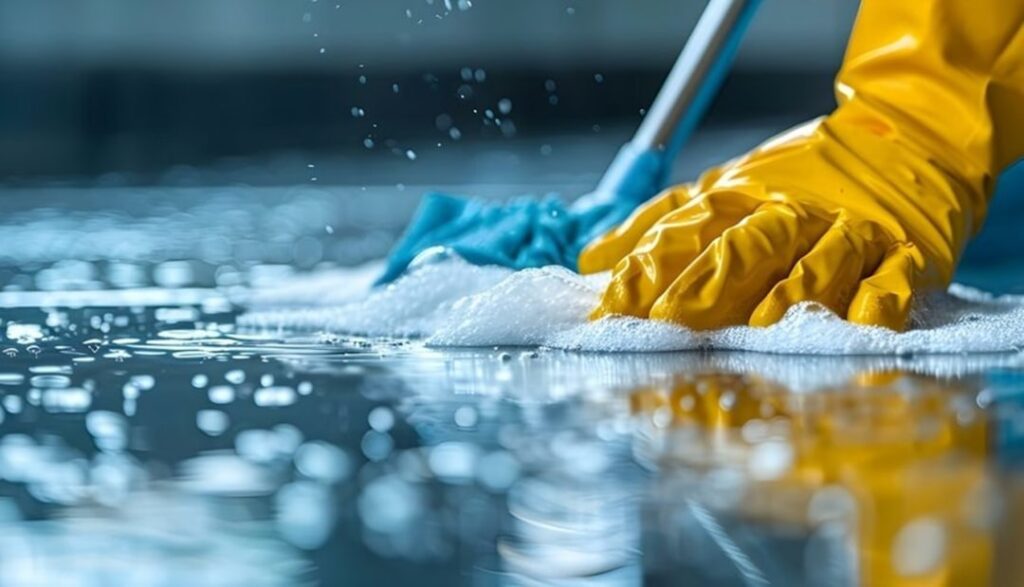
Most people own a chaotic collection of half-empty spray bottles and worn-out sponges, then wonder why cleaning feels like such a slog. The right cleaning articles, meaning the actual tools and supplies you reach for, make every chore faster, more effective, and far less frustrating. A well-stocked, well-chosen kit costs under $100 to assemble and replaces a cabinet full of single-purpose products that mostly gather dust. Here is exactly what belongs in a complete home cleaning arsenal and why each item earns its place.
Microfiber Cloths: The Workhorse
If you buy only one upgrade, make it a stack of quality microfiber cloths. Their split fibers grab dust, grease, and grime that cotton rags only push around, and they clean most surfaces with just water, cutting your chemical use dramatically. A pack of 24 runs about $15 and lasts years.
Color-code them to avoid cross-contamination: blue for glass and mirrors, green for kitchen counters, yellow for general dusting, and red for the bathroom. Wash them separately from cotton towels and skip the fabric softener, which clogs the fibers and kills their grabbing power.
The Core Tools Every Home Needs
Beyond cloths, a handful of tools handle the vast majority of household cleaning:
- A good spray mop or flat microfiber mop: faster and more hygienic than a string mop and bucket
- A squeegee: leaves glass and shower doors streak-free in seconds
- Stiff and soft scrub brushes: for grout, tile, and gentler surfaces
- An old toothbrush or detail brush: reaches faucet bases, hinges, and corners
- A quality vacuum with attachments: for floors, upholstery, and baseboards
- Rubber gloves: protect your hands and let you use hotter water
Cleaning Solutions That Cover Everything
You do not need a different product for every surface. A small, versatile lineup handles nearly every job. An all-purpose cleaner manages counters, appliances, and most surfaces. A glass cleaner or a simple vinegar-water mix handles windows and mirrors.
Round it out with a disinfectant for high-touch surfaces and bathrooms, a degreaser for the kitchen, and a bathroom cleaner that fights soap scum and mineral deposits. Keep a box of baking soda for scrubbing and odor control and a bottle of white vinegar for descaling and natural cleaning. These two pantry staples replace a surprising number of specialty products.
Specialty Items Worth Owning
A few targeted additions solve specific recurring problems. Melamine foam sponges, sold as Magic Erasers, lift scuffs off walls and stubborn rings off tubs with just water. A pumice stone tackles toilet bowl rings that nothing else touches. A lint roller picks up pet hair from upholstery faster than any vacuum.
For floors, match the tool to the surface: a microfiber pad for hardwood, a soft-bristle attachment for delicate tile, and the right pH-neutral cleaner so you do not dull the finish. Using a harsh general cleaner on a sealed wood floor is one of the quickest ways to damage it.
Organizing Your Cleaning Caddy
A portable caddy transforms how you clean, because carrying everything room to room means you never abandon a job to hunt for a missing bottle. Load it with your sprays, a few microfiber cloths, gloves, and a scrub brush, and you can clean a whole floor of the house in one circuit without backtracking.
Store the caddy under the kitchen sink or in a hall closet, and keep a duplicate set of basics upstairs if your home has multiple floors. The less friction between you and your supplies, the more likely you are to do quick cleanups before they become big jobs.
What to Replace and When
Tools wear out, and worn tools work against you. Replace sponges every two to four weeks, since they harbor bacteria, or sanitize them in the dishwasher between swaps. Swap microfiber cloths when they stop grabbing and feel slick. Toss scrub brushes once the bristles splay, and replace your vacuum filter on the schedule the manual recommends to keep suction strong.
Eco-Friendly and Homemade Options
You can green your cleaning kit without sacrificing results. A spray bottle of equal parts white vinegar and water handles glass, mineral deposits, and many surfaces for pennies. Baking soda scrubs sinks and tubs gently, and a paste of baking soda and water lifts baked-on grime from the oven. A few drops of essential oil like lemon or tea tree add a fresh scent and mild antimicrobial action.
Reusable tools cut waste and cost over time. Washable microfiber cloths replace rolls of paper towels, and a refillable spray bottle filled with concentrate beats buying a new plastic bottle every month. Avoid mixing homemade solutions carelessly, though: never combine vinegar with bleach, which releases toxic chlorine gas. Used thoughtfully, a handful of pantry staples replaces a cabinet of specialty sprays.
Safe Storage and Handling
How you store your supplies matters as much as what you buy, especially with children or pets in the home. Keep cleaners in a high or locked cabinet, in their original labeled containers so no one mistakes a chemical for something harmless. Never decant a cleaner into a food or drink bottle, a swap that causes accidental poisonings every year.
Store products away from heat and out of direct sun, and keep incompatible chemicals like bleach and ammonia well apart. Ventilate the room when using strong disinfectants or degreasers, and wear gloves to protect your skin. A tidy, well-labeled cleaning cabinet is not just safer; it also makes grabbing the right tool faster, which keeps you actually using your kit.
Build It Once, Use It for Years
The smartest approach to cleaning articles is to assemble a quality kit once rather than buying gadgets piecemeal. A solid set of microfiber cloths, a flat mop, a few brushes, a versatile cleaner lineup, and a portable caddy covers virtually every home. Spend a little more on durable tools up front and you save money over years of replacing cheap ones, while making the unavoidable work of keeping a home clean genuinely faster and easier.