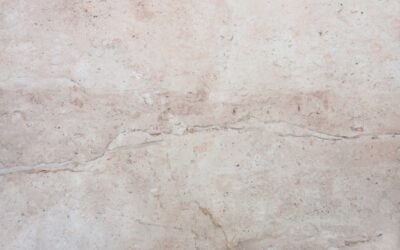
Marble is forgiving in every way except chemistry. The same calcium carbonate that gives Carrara, Calacatta, and Statuario their depth and translucence reacts violently to anything acidic — a splash of lemon juice etches the surface in 60 seconds. Done right, cleaning marble is one of the easier maintenance routines in the house. Done wrong with the bottle of all-purpose cleaner under the sink, you create permanent dull spots that no buff or polish will fully erase. The rules are simple, but you have to actually follow them.
Part of our Countertops guide — explore the full guide →
Why Acid Damages Marble
Marble is metamorphic limestone. The calcium carbonate that makes up most of the stone reacts with any acid below pH 7. The reaction dissolves a microscopic layer of the polish, leaving a dull etch mark that catches light differently than the surrounding stone.
The list of things that etch marble is long: vinegar, lemon, lime, orange juice, tomato sauce, wine, cola, coffee, bathroom cleaners, descalers, most kitchen sprays, and anything with citric or phosphoric acid in the ingredients. If a label does not list “safe for natural stone,” assume it is not.


The Daily Cleaning Routine
Marble counters need a 60-second wipe-down at the end of every day. Use warm water with a few drops of pH-neutral dish soap (Dawn Free & Clear, or any unscented Castile soap diluted 1:50). Apply with a soft microfiber cloth in light circles, then rinse with clean water and dry immediately with a second microfiber.
The drying step is non-negotiable. Hard water leaves mineral deposits on marble that build into a haze over weeks. A 30-second dry-down prevents the buildup entirely.
Approved Cleaners
If you want a ready-made product, three are reliable:
- StoneTech Revitalizer Cleaner & Protector: Daily use, leaves a thin invisible sealer. Around $18 for 24 oz.
- Method Daily Granite & Stone: Drugstore-friendly, pH-neutral, citrus-free despite the name. About $5.
- Granite Gold Daily Cleaner: Streak-free formula, foam delivery. Around $8.
Skip anything labeled “natural” with citrus or vinegar in the ingredients. “Plant-based” does not mean stone-safe.
Removing Common Stains
Oil and Grease
Cooking oil, lotion, and butter penetrate marble quickly. Mix a poultice of baking soda and water to a peanut-butter consistency. Spread 1/4 inch thick over the stain, cover with plastic wrap taped on the edges, and leave for 24 to 48 hours. The poultice draws the oil out as it dries. Wipe clean with a damp microfiber.
Coffee, Tea, and Wine
Tannin stains call for a different poultice — 12 percent hydrogen peroxide (from a beauty supply store, not the 3 percent first-aid version) mixed with talc or diatomaceous earth into a paste. Same application as the oil poultice. Test in a hidden spot first because peroxide can lighten dark marbles.
Rust
Rust from cans or wet metal needs a commercial product like Iron Out or MB-1 Rust Remover for Stone. These are mildly acidic and will dull the polish slightly, but the alternative is a permanent orange stain. Plan on resealing and refinishing the spot afterward.
Fixing Etch Marks
Light etching often polishes out. Marble polishing powder (MB-11 from MB Stone Care, around $30 for 8 oz) is a fine cerium oxide compound. Sprinkle on the etch, mist with water, and buff with a damp white microfiber pad on a low-speed drill or by hand for 2 to 3 minutes. The etch lifts as the polish is restored.
Deep etches — those you can feel with a fingernail — need a stone restoration pro. A typical service call runs $200 to $400 for kitchen counters and uses a series of diamond polishing pads from coarse to fine. The result is indistinguishable from new stone.
Sealing Schedule
Sealing slows absorption but does not make marble bulletproof. Test the seal monthly: drop a quarter-sized puddle of water on the stone. If it beads up after 3 minutes, the seal is fine. If it darkens the stone, reseal.
Most marble counters need resealing every 6 to 12 months. Use an impregnating sealer like Miracle 511 or StoneTech BulletProof. Apply with a foam brush, let dwell 10 to 15 minutes, wipe excess thoroughly. Two thin coats outperform one heavy coat.
Marble Floors Are a Different Job
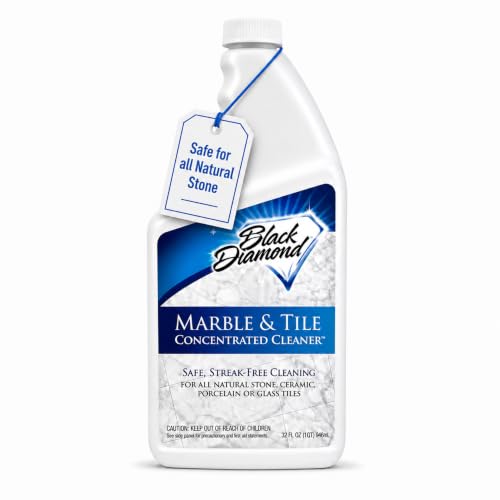
Cleaning marble floors uses the same chemistry but different tools. A microfiber dust mop daily catches grit before it scratches the polish. Once a week, mop with a stone-safe cleaner like Black Diamond Marble Floor Cleaner — not Murphy Oil Soap, not Pine-Sol, not vinegar.
Avoid steam mops on natural stone. The thermal shock can create hairline cracks at vulnerable veins, and the heat reactivates any sealer that has not fully cured. Cool damp mopping is the right standard.
Bathroom Marble Care
Marble showers face a tougher environment than counters. Soap scum builds quickly and most bathroom cleaners are acidic. Use a daily shower spray formulated for stone (Granite Gold Shower Cleaner, around $10) or a homemade mix of distilled water, a few drops of stone-safe soap, and a teaspoon of rubbing alcohol per cup.
Squeegee the walls after every shower. Less standing water means less mineral buildup and less mildew in the grout lines. A $15 stainless squeegee mounted with suction cups makes the habit stick.
What to Keep Off Marble Permanently
- Vinegar of any kind
- Lemon and lime juice
- Bathroom tile cleaners (typically acidic)
- Tub and shower cleaners
- Bleach concentrate
- Magic Erasers (the abrasive scratches polish)
- Steel wool
- Paste polishes intended for granite
Putting Together a Long-Term Plan
Daily wipe-down with neutral soap, weekly cleaner pass, monthly seal test, annual reseal, and a stone-safe spot kit ready for spills. That is the entire routine, and it keeps marble looking like the day it was installed for decades. The owners who run into trouble are almost always the ones who tried the cleaner under the sink “just this once” and then spent the next morning staring at a dull patch on an otherwise perfect counter.