Few backsplash materials feel as modern and effortless to clean as glass. A clear glass backsplash reflects light, makes a small kitchen feel larger, and wipes down in seconds because there are almost no grout lines to trap grease. But “clear glass” covers several very different products, from a single seamless panel to back-painted sheets and glossy tiles. Knowing which type fits your kitchen, and how each is installed, saves you from costly surprises. Here is everything I tell clients before they commit.
What Counts as a Clear Glass Backsplash
The term spans a range of products. True clear glass lets the wall color or texture show through, which means surface prep matters. Many homeowners actually want low-iron or back-painted glass, which reads cleaner and hides imperfections behind it.
Standard glass carries a slight green tint, most visible at the edges. Low-iron glass, sometimes branded as “ultra-clear” or “starphire,” removes that tint for a truly colorless look. Decide which you want early, because the price difference is significant.
Types of Glass Backsplash
Each format installs differently and delivers a distinct look. Here are the main options.
- Single-panel glass — One large tempered sheet covering the entire backsplash. Seamless, grout-free, and the easiest surface to clean. Best for a sleek, contemporary kitchen.
- Back-painted glass — Clear glass with paint applied to the back, giving a glossy colored finish with glass depth. Popular in whites, grays, and bold accent tones.
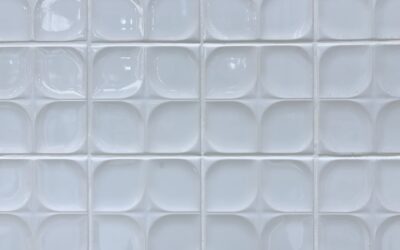
- Glass subway and mosaic tile — Small clear or frosted tiles set in grout. More texture and detail, but more grout lines to maintain.
- Frosted or textured glass — Diffuses light and hides the wall behind it without paint, offering privacy from smudges and a soft glow.
Pros of Going Clear Glass
The appeal is real. A clear glass backsplash brings advantages that tile struggles to match.
- Easy cleaning — A nonporous surface and minimal grout mean grease and tomato sauce wipe off with a damp cloth.
- Light reflection — Glass bounces both natural and task lighting, brightening dim work zones.
- Hygienic — No porous grout to harbor mold or bacteria, a plus directly behind a cooktop or sink.
- Visual openness — Seamless panels make compact kitchens feel more spacious.
- Heat tolerance — Tempered glass safely handles the heat behind a range.
Cons to Weigh
Glass is not flawless. Single panels must be custom-measured and templated, so they cost more and require precise fabrication around outlets and windows. Any measurement error means re-ordering an expensive sheet.
Clear glass also reveals everything behind it, so the wall must be smooth and uniformly finished, or you will see flaws and adhesive lines. Hard knocks can chip edges, and fingerprints show readily on glossy surfaces near handles and switches.
Installation Overview
Installation depends on the format. Tile sets like any other tile, while panels demand a more exacting approach.
Glass Panels
A pro typically templates the area, fabricates a tempered panel with cutouts for outlets, and bonds it to the wall with a neutral-cure silicone or specialty glass adhesive. The wall must be primed and, for clear glass, painted in your chosen color since it shows through. Outlet boxes are extended with spacers so cover plates sit flush against the glass.
Glass Tile
Tile installs over a clean, flat substrate using white thinset, since gray mortar shows through translucent tiles. After the mortar cures for 24 hours, you grout, wipe, and seal as needed. Use a non-sanded grout to avoid scratching the glass surface.
Cost Expectations
Pricing varies widely by format and region. As rough ranges, glass tile runs about $7 to $30 per square foot for material, while custom single panels often land between $25 and $50 per square foot installed once fabrication and labor are included. Low-iron glass adds a premium of roughly 15 to 25 percent over standard glass.
Back-painted panels sit in the middle and remain one of the most requested upgrades because they hide the wall entirely and deliver a flawless, glossy finish.
Cleaning and Maintenance
This is where glass shines. For routine care, a microfiber cloth with glass cleaner or a little dish soap and water removes splatter and fingerprints. Avoid abrasive pads and gritty cleaners that can scratch the surface over time.
For tile versions, keep an eye on grout joints behind the cooktop and reseal grout annually if you used a cementitious product. Panels need almost no maintenance beyond wiping, which is exactly why so many busy households choose them.
Standard vs Low-Iron Glass
This choice deserves its own decision. Standard float glass carries a faint green cast that comes from iron in the raw material, most noticeable at thick edges and over light wall colors. For many backsplash colors you will never notice it, and standard glass keeps costs down.
Low-iron glass, marketed as ultra-clear or starphire, strips out that tint for a truly colorless, neutral result. It matters most with whites, light grays, and pale back-painted finishes, where standard glass would shift the color slightly green. If you are paying for a precise designer color, the 15 to 25 percent upcharge for low-iron glass is usually worth it; for a darker tone or glass tile, standard glass is perfectly fine.
Design Ideas with Clear Glass
Clear and back-painted glass open up several looks you cannot get with tile. A full-height panel running from countertop to the underside of the upper cabinets creates an uninterrupted, gallery-smooth surface that makes a kitchen feel custom. Behind a range, a single panel means no grout lines to scrub free of grease splatter.
You can also get creative with what sits behind clear glass. Some homeowners apply a metallic or pearlescent wall finish, a subtle wallpaper, or even a textured plaster behind the glass for depth, since the glass protects it completely while showing it off. Under-cabinet LED lighting reflecting off a glass backsplash turns the whole work zone into a soft glow, a trick that flatters both the food prep area and the room at night.
Is Clear Glass Right for Your Kitchen
If you want a low-maintenance, light-enhancing, modern surface and you have smooth walls plus a reasonable budget, a clear glass backsplash is hard to beat. Choose a single panel or back-painted glass for the cleanest, grout-free look, or glass tile if you want more texture and a friendlier price. Match the glass clarity, standard versus low-iron, to the color effect you are after, and you will end up with a backsplash that looks sharp and cleans up in seconds for years to come.