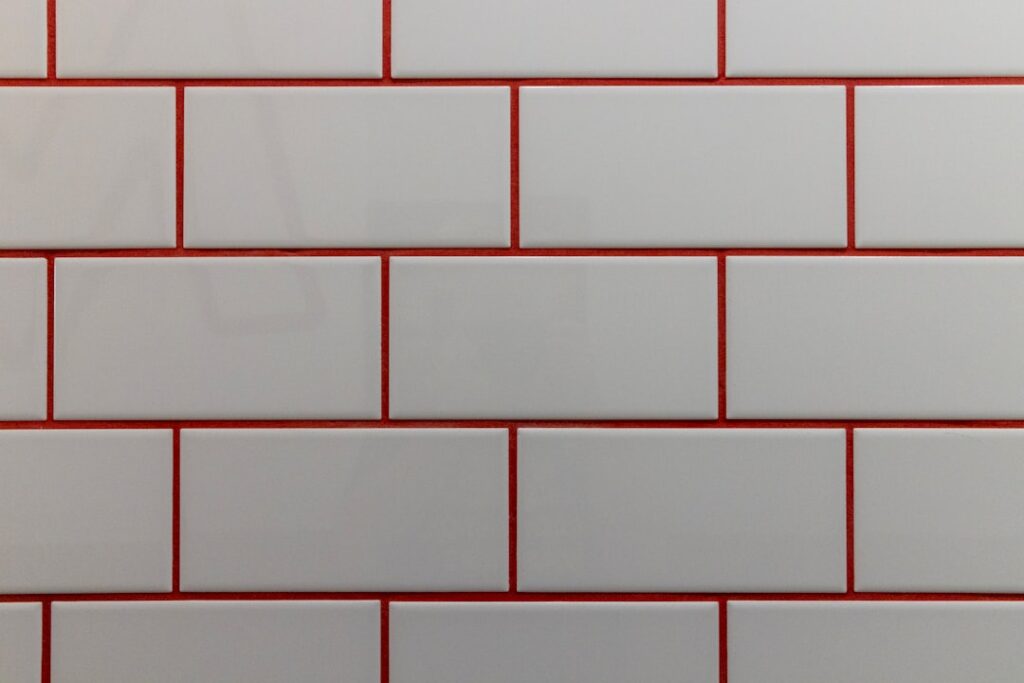
If you love the look of tile but hate the dark, dirty lines that develop between pieces over time, clear grout may sound like the perfect solution. Marketed as a translucent or color-matching filler, it promises seamless installations where the tile takes center stage and the joints nearly disappear. Before you commit to a project, it helps to understand what clear grout actually is, where it performs well, and where traditional cement-based grout still wins.
What Clear Grout Actually Is
There is no truly “invisible” grout. What most products labeled as clear or translucent really offer is an epoxy or urethane-based formula that cures to a glassy, semi-transparent finish. These resin grouts contain fine glass or polymer particles instead of the sand and Portland cement found in standard grout. When light hits the joint, it scatters slightly, picking up the color of the surrounding tile and giving the impression of a nearly continuous surface.
Because the material is non-porous once cured, it does not absorb spills the way cementitious grout does. That single property is the main reason homeowners seek it out. A traditional gray joint can turn nearly black in a high-traffic kitchen within a year, while a resin-based joint stays much closer to its original appearance.
Where Clear Grout Works Best
This product shines in specific situations. Glass mosaic backsplashes are the classic use case, because the translucent joint lets light pass through the glass tile and keeps the wall looking luminous rather than chopped up by opaque lines. It also performs beautifully with iridescent, mother-of-pearl, and stained-glass tiles where any colored grout would muddy the effect.
- Glass mosaic backsplashes and accent walls
- Iridescent or translucent decorative tile
- Shower niches where staining resistance matters
- Small-format penny rounds and feature strips
- Areas where you want minimal visual interruption
For these applications, the seamless look genuinely justifies the higher cost and more demanding installation. You preserve the designer effect that drew you to the tile in the first place.
The Limitations You Should Know
Honesty matters here. Clear grout is not a miracle product, and several drawbacks catch homeowners off guard. First, it tends to look milky or hazy in wide joints. Anything beyond about 1/8 inch can read cloudy rather than crisp, so it is poorly suited to rustic stone or large-format tile with deep grout lines.
Second, it can trap a slightly different tone than you expect. With white or light tile, a translucent joint can appear gray or shadowy because you are seeing through to the thinset or backer behind it. Many installers solve this by using a white setting material so the joint reads bright rather than dingy.
Finally, resin grouts are unforgiving during installation. They cure quickly, they are sticky, and any haze left on the tile surface hardens into a film that is difficult to remove. This is not a forgiving weekend job for a first-timer working across a large floor.
Clear Grout vs. Traditional Grout
It helps to weigh the two side by side before deciding.
- Stain resistance: Resin-based clear grout wins decisively; it does not absorb liquids.
- Ease of installation: Cement grout is far more beginner-friendly and forgiving of mistakes.
- Cost: Expect clear and epoxy grouts to run noticeably more per pound, often two to three times the price of standard grout.
- Appearance: Clear grout disappears into glass and iridescent tile; cement grout offers crisp, defined lines and a huge color palette.
- Durability: Both hold up well, though epoxy formulas resist cracking and chemical exposure better.
For most floors and standard ceramic walls, color-matched cementitious or epoxy grout is the practical choice. Save the clear product for the decorative installations where its unique optical quality earns its keep.
How to Apply Clear Grout
Working with resin grout rewards preparation and speed. Gather everything before you open the components, because once you mix the two parts you typically have only 30 to 45 minutes of working time.
- Confirm the tile is fully set and the thinset has cured per the manufacturer’s schedule, usually 24 to 48 hours.
- Mix only as much as you can use in one session, following the exact ratio on the package.
- Spread the grout diagonally across the joints with a hard rubber float, pressing firmly to eliminate voids.
- Remove the bulk of the excess immediately with the edge of the float held at a steep angle.
- Wash the surface with clean water and a sponge, changing the water often to avoid redepositing haze.
- Do a final haze wipe before the residue hardens; with resin grout this step is critical.
Work in small sections, perhaps three to four square feet at a time, so nothing cures before you can clean it. Keep the room ventilated, wear gloves, and follow the safety data sheet, since epoxy and urethane components can irritate skin and eyes.
Maintenance and Long-Term Care
The good news is that once it is in, clear grout asks very little of you. Because it is non-porous, it never needs sealing, unlike cement grout that should be resealed periodically. Routine cleaning with a pH-neutral cleaner and a soft cloth keeps it looking sharp. Avoid abrasive pads that could scratch the glossy surface and dull its translucency.
If you notice cloudiness shortly after installation, that usually signals trapped haze rather than a product failure, and a specialized epoxy haze remover can often correct it within the first day or two. After that window, removal becomes much harder, which is another argument for hiring an experienced installer on larger projects.
Is Clear Grout Worth It?
For a glass-tile backsplash, a shimmering powder-room accent, or any installation where you want the tile to read as one continuous, glowing surface, clear grout delivers a look nothing else can match. For everyday floors, tub surrounds, and standard ceramic, you will likely be happier with a quality color-matched grout that installs more easily and costs less.
Match the product to the project, set realistic expectations about that faint translucent haze, and lean on a professional when the tile is expensive or the area is large. Handled thoughtfully, clear grout can elevate a feature wall from ordinary to genuinely striking while sparing you years of scrubbing dingy joints.