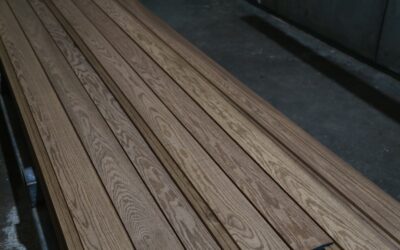
Vinyl flooring rolls remain one of the most affordable and practical flooring options available, and buying them on clearance can cut costs even further. Clearance vinyl flooring rolls are typically discontinued colors, overstock inventory, or remnant pieces that retailers need to move quickly, often at 30% to 70% off regular prices. This guide shows you exactly where to find these deals, what to inspect before buying, and how to make sure a clearance roll works for your project.
- Why Vinyl Flooring Rolls Go on Clearance
- Where to Find Clearance Vinyl Flooring Rolls
- What to Check Before Buying Clearance Vinyl Rolls
- How Much Can You Save on Clearance Vinyl Rolls?
- Installation Tips for Clearance Vinyl Rolls
- Common Mistakes to Avoid
- Clearance Vinyl Rolls vs. Clearance Vinyl Plank
- Final Thoughts
Why Vinyl Flooring Rolls Go on Clearance
Understanding why vinyl rolls end up on clearance helps you assess whether a discounted product is a smart buy or a potential headache. Products land on clearance racks for several common reasons:
- Discontinued patterns and colors: Manufacturers regularly update their collections, phasing out older designs. The flooring itself is identical in quality to current products; only the style is being retired.
- Overstock: Retailers order more inventory than they sell, particularly after seasonal promotions. These rolls are brand new and unused.
- Remnants: When a large roll is partially sold, the remaining piece becomes a remnant. Remnants are often heavily discounted because they only fit smaller spaces.
- Slight cosmetic imperfections: Occasionally, rolls with minor manufacturing variations (slight color shifts between batches, small edge irregularities) are sold at a discount.
- Store closings or remodels: When a retailer closes a location or renovates its showroom, existing inventory is liquidated at clearance prices.
In most cases, clearance vinyl rolls are perfectly good products that simply need to be moved off the sales floor. The key is knowing what to look for before committing.
Where to Find Clearance Vinyl Flooring Rolls
The best clearance deals come from retailers that carry large inventories of sheet vinyl. Here are the top sources to check:
Home Depot
Home Depot stocks vinyl rolls in-store and online, with clearance items appearing in the “Special Values” section of their flooring department. In-store remnants are usually stored upright in a dedicated area, marked with reduced pricing. Check your local store regularly, as new remnants appear whenever a roll is partially sold.
Lowe’s
Lowe’s offers similar clearance opportunities, with remnants available in-store and discontinued styles marked down online. Their vinyl sheet flooring section often has end-of-roll pieces at steep discounts. For more on Lowe’s vinyl options, see our vinyl flooring overview.
Floor & Decor
Floor & Decor is a flooring specialty retailer with excellent clearance sections. Because they carry a large volume of flooring products, their clearance inventory turns over frequently. Visit in person for the best selection, as clearance items may not always appear on their website.
Lumber Liquidators (LL Flooring)
This flooring-focused retailer often has clearance deals on vinyl rolls, particularly when transitioning between seasonal collections. Their website allows you to filter by clearance items, and local stores may have additional in-store-only deals.
Online Retailers
Websites like BuildDirect, Wayfair, and eBay frequently list clearance vinyl rolls. Online clearance shopping requires extra caution because you cannot physically inspect the product before buying, so read return policies carefully and order samples when available.
Local Flooring Stores
Independent flooring retailers often have the best clearance deals on remnants because they are highly motivated to clear floor space. Build relationships with local stores and ask to be notified when clearance rolls become available. Some shops maintain a dedicated remnant section with deeply discounted pieces.
Habitat for Humanity ReStore
ReStore locations accept donated building materials, including flooring. You can occasionally find vinyl rolls at a fraction of retail price. Selection is unpredictable, so check back regularly.
What to Check Before Buying Clearance Vinyl Rolls
A clearance deal is only a good deal if the product meets your needs. Run through this checklist before purchasing:
Measure Carefully
Vinyl sheet rolls come in standard widths, typically 6 feet or 12 feet. Measure your room precisely and compare it to the dimensions of the clearance roll. Remember that sheet vinyl is best installed with minimal seams, so a roll that is too narrow will require seaming, which adds complexity and potential failure points.
Inspect for Damage
Unroll the vinyl and examine the surface carefully for:
- Tears, punctures, or cuts
- Creases or permanent fold marks
- Discoloration, fading, or water stains
- Delamination where the wear layer separates from the backing
- Edge damage from improper storage or handling
Minor imperfections along the edges may be acceptable if they fall within the area you plan to trim during installation. Surface damage in the main field of the roll is harder to work around.
Check the Total Square Footage
Clearance rolls, especially remnants, may not have enough material to cover your entire room. Calculate your square footage needs and add 10% for waste and cutting. If the roll is short, determine whether the uncovered area is in a spot where seaming or a different material would be acceptable.
Verify the Wear Layer Thickness
The wear layer determines how long the vinyl will resist scratches, scuffs, and stains. Look for at least:
- 6 mil: Minimum for light residential use (bedrooms, closets)
- 12 mil: Suitable for moderate residential traffic (living rooms, hallways)
- 20 mil: Ideal for high-traffic residential areas and kitchens
- 28+ mil: Commercial-grade durability
Confirm the Return Policy
Many clearance items are sold as-is with no returns or exchanges. Know the policy before buying. If returns are not accepted, be absolutely certain about your measurements and the product’s condition.
Note the Product Name and Manufacturer
Record the exact product name, color, and lot number. If you need additional material later, this information helps you search for matching rolls. However, clearance products may be impossible to reorder, so buy enough material on your first visit.
How Much Can You Save on Clearance Vinyl Rolls?
The savings vary depending on the source and reason for clearance, but here are typical discount ranges:
- Discontinued styles: 30% — 50% off original retail
- Overstock: 20% — 40% off
- Remnants (large): 40% — 60% off
- Remnants (small, under 100 sq ft): 50% — 70% off
- Store closing liquidation: 40% — 70% off
For context, standard vinyl sheet flooring typically costs $0.50 to $4.00 per square foot at regular price. Clearance pricing can bring quality products down to $0.25 to $2.00 per square foot, making it one of the most budget-friendly flooring options available. Compare this to other budget options in our linoleum flooring guide.
Installation Tips for Clearance Vinyl Rolls
Installing vinyl sheet flooring from a clearance roll follows the same process as installing any vinyl roll. Here are the essential steps:
- Prepare the subfloor: The surface must be clean, smooth, dry, and free of debris. Any bumps or imperfections will telegraph through the vinyl. Skim-coat or use floor leveler if necessary.
- Create a template: For complex room shapes, create a paper template and use it to cut the vinyl to size before laying it down.
- Dry-fit the vinyl: Unroll the vinyl in the room and let it relax for at least 24 hours. This allows the material to flatten and adjust to room temperature.
- Trim to fit: Use a sharp utility knife to trim the vinyl along walls, leaving a small gap (about 1/8 inch) that will be hidden by baseboards.
- Adhere the vinyl: Depending on the product and room size, you may use full-spread adhesive, perimeter adhesive, or double-sided tape. Rooms under 75 square feet may not require any adhesive if baseboards and transitions hold the edges.
- Roll the surface: Use a 100-pound floor roller to press the vinyl into the adhesive and eliminate air bubbles.
- Install transitions and baseboards: Complete the installation with appropriate transition strips at doorways and reinstall baseboards.
Common Mistakes to Avoid
Buying clearance flooring has unique pitfalls. Avoid these common errors:
- Buying too little material: Clearance rolls cannot be reordered. Always buy more than you think you need.
- Ignoring the subfloor condition: A rough or uneven subfloor will ruin even the best vinyl. Invest in subfloor preparation.
- Skipping the inspection: Never buy a clearance roll sight unseen, especially from online sources without return policies.
- Choosing based on price alone: A 4-mil wear layer at 80% off is still a poor value if it wears through in two years. Prioritize appropriate thickness for your traffic level.
- Forgetting adhesive and supplies: Budget for adhesive, seam sealer, a utility knife, a roller, and transition strips in addition to the roll itself.
Clearance Vinyl Rolls vs. Clearance Vinyl Plank
Both vinyl rolls and vinyl planks appear on clearance shelves, but they serve different needs:
- Vinyl rolls provide seamless coverage for bathrooms and kitchens where water resistance at seams matters most. They are thinner and less rigid, making them better for imperfect subfloors.
- Vinyl planks offer a more realistic wood look, easier DIY installation via click-lock systems, and simpler individual plank replacement. For plank options, see our guide to vinyl flooring.
Both formats offer excellent value on clearance. Choose rolls when you need maximum water protection and seamless coverage; choose planks when aesthetics and ease of installation are priorities.
Final Thoughts
Clearance vinyl flooring rolls represent one of the best values in home improvement when you shop smart. By knowing where to look, inspecting products thoroughly, measuring accurately, and buying enough material the first time, you can floor a room for a fraction of the regular price. Start by checking remnant sections at your local Home Depot, Lowe’s, and independent flooring stores, then expand your search online. With patience and attention to detail, you can land a quality vinyl roll at a price that leaves money in your budget for the rest of your renovation.
Prefer to explore on your own?
See how new flooring looks in your actual room in seconds — free, no signup.
Try the free Floor Studio →