Heat is what ruins most wine collections, but it is rarely a single hot day. It is months of slow temperature swings in a kitchen cabinet or a closet next to a water heater. Climate controlled wine storage simply means holding bottles at a steady temperature near 55F, with relative humidity between 60 and 70 percent, in darkness, and without vibration. Hit those four targets and wine ages the way the winemaker intended.
For most homes, the practical path is one of three: a wine refrigerator with humidity management, a converted closet or basement room with a cellar cooling unit, or a naturally cool basement corner with a dehumidifier or humidifier to balance moisture. Whatever you choose, a digital hygrometer that logs temperature and humidity tells you whether it is actually working.
- The Four Targets of Climate Controlled Wine Storage
- Options for Hitting the Targets at Home
- Controlling Humidity in a Cellar or Basement
- Monitoring: Use a Digital Hygrometer
- Step-by-Step Setup for a Closet or Basement Corner
- Troubleshooting Common Issues
- General Cost Ranges
- When to Call a Pro
- Frequently Asked Questions
The focus here is the air inside the storage space. Water coming through foundation walls is a separate problem that has to be fixed before any of this will help.
The Four Targets of Climate Controlled Wine Storage
Temperature: about 55F, and stable
The accepted target sits between 50F and 59F, with 55F as the classic number. Wine tolerates a range, but it dislikes fluctuation. Swings of more than a few degrees cause the liquid to expand and contract, pushing air in and out past the cork. A steady 60F is better than a room that bounces between 50F and 65F. Above about 70F, aging speeds up noticeably, and sustained heat above 80F can cook wine within weeks.
Humidity: 60 to 70 percent relative humidity
Humidity keeps natural corks from drying and shrinking, which lets oxygen seep in. Below about 50 percent, corks can dry over time. Above about 75 to 80 percent, labels loosen and mold becomes likely on walls, racks and cardboard. Bottles with screw caps or synthetic closures are less sensitive, but most collectors still aim for the middle band.
Darkness and no UV
Ultraviolet light breaks down compounds in wine and creates off aromas, sometimes called light strike. Clear and pale green bottles of white, rosé and sparkling wine are most vulnerable. Keep storage dark, use LED lights on a switch, and choose UV-filtering glass for any fridge door or cellar window.
No vibration
Constant vibration may disturb sediment and, some believe, speed chemical reactions. Avoid storage on top of a washing machine, next to a busy stairway, or right against a compressor without isolation.
Options for Hitting the Targets at Home
Humidity controlled wine fridge
For collections under a couple hundred bottles, a wine refrigerator is the simplest route. Standard wine fridges hold temperature well, but their cooling cycles tend to remove moisture. Better models include a humidity tray, a water reservoir or active humidity management to keep the inside closer to 50 to 70 percent. Look for compressor cooling with vibration dampening, UV-tinted glass, and wooden shelves rather than bare wire. Place the unit away from ovens and sunny windows, with the ventilation clearance the manual requires.
Wine storage unit or cabinet
Large freestanding wine storage unit cabinets, sometimes called wine vaults, hold several hundred bottles and often include humidity control and a lock. They are a middle ground between a fridge and a full cellar, and they fit in dining rooms or offices without construction.
Converted room with a cellar cooling unit
A closet or basement room framed, vapor-sealed and insulated, then fitted with a dedicated cellar cooling unit, gives the most capacity and the tightest control. Cellar cooling units are designed to hold 50F to 60F while keeping humidity in range, unlike ordinary air conditioners that dry the air.
Passive basement storage
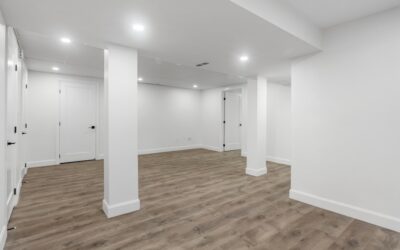
Some basements naturally sit in the 55F to 65F range. With a thermometer to confirm the swing is small across the seasons, a dark basement corner can work for everyday red wine storage. The usual problem is humidity: summer basements are often too damp, winter basements too dry.
Controlling Humidity in a Cellar or Basement
Humidity management is where many home setups go wrong, so measure before adjusting.
- Too dry (under 50 percent): add a small cellar humidifier or a humidity module designed for your cooling unit. A shallow tray of water or damp gravel can nudge a tiny closet up a few points. Keep the door closed and seal gaps that let dry house air in.
- Too damp (over 75 percent): use a dehumidifier sized for the space and set to about 65 percent. Improve air sealing between the storage room and any damp crawlspace, and make sure the cooling unit’s condensate drains properly.
Mold is a sign of moisture that needs fixing, not just cleaning. Address leaks, grading and ventilation first. Remove cardboard wine boxes from damp spaces, since they feed mold. Small patches under about 10 square feet can be cleaned with detergent and water while wearing gloves and eye protection. Anything larger, or mold that returns, should be handled by a remediation professional.
Monitoring: Use a Digital Hygrometer
Dial thermometers and cheap analog humidity gauges can be off by 5 to 10 points. A digital hygrometer with a memory function records the high and low values since reset, which reveals swings you would never notice with a spot check. Wireless models can alert your phone if temperature drifts above a setpoint.
Place one sensor at bottle level near the middle of the storage area. In a larger room, add a second near the ceiling, since warm air collects up high. Check the readings weekly for the first month, then monthly. Compare seasons: if winter humidity drops to 40 percent or summer temperatures creep into the high 60s, you know what to adjust.
Step-by-Step Setup for a Closet or Basement Corner
- Measure first. Put a digital hygrometer in the intended space for two weeks and record the range.
- Fix water. Correct any leaks, seepage or plumbing drips before adding wine.
- Seal the space. Add weatherstripping and a door sweep. Close off supply vents from the home’s heating and cooling system so conditioned air does not swing the temperature.
- Add insulation if needed. Walls shared with heated rooms benefit from insulation and a properly placed vapor barrier on the warm side.
- Choose active control. Install a cooling unit, humidifier or dehumidifier based on what the measurements show.
- Store bottles correctly. Lay cork-finished bottles on their sides so the wine stays in contact with the cork. Keep them away from light and vibration.
- Monitor. Keep logging temperature and humidity through at least one full seasonal change.
Troubleshooting Common Issues
- Labels peeling or moldy: humidity is too high. Add a dehumidifier or improve ventilation around the racks.
- Corks pushing out: the bottle got too warm and the wine expanded. Check for heat sources nearby and verify temperature logs.
- Fridge interior very dry: add a humidity tray or water dish if the manufacturer allows, and avoid opening the door frequently.
- Temperature swings in a closet: an exterior wall or shared heating duct is probably the culprit. Insulate or relocate.
General Cost Ranges
A digital hygrometer is an inexpensive purchase. Small wine fridges with decent temperature control range from a few hundred dollars to over a thousand, with humidity management and vibration dampening pushing prices higher. Large wine storage cabinets typically fall in the low to mid thousands. Converting a closet with insulation and a through-wall cooling unit often costs a few thousand dollars, while full cellars can run far more. Dehumidifiers and small humidifiers are modest additions.
When to Call a Pro
Hire a pro if you see recurring mold, water on the floor, or condensation inside walls, since these point to moisture problems beyond the storage equipment. A licensed electrician should add any dedicated circuit a cooling unit requires, and an HVAC technician should install split systems. For climate controlled wine storage in a finished basement with ongoing seepage, a waterproofing contractor should resolve the foundation issue first.
Frequently Asked Questions
What is the ideal temperature for wine storage?
About 55F is ideal, though anything steady between 50F and 59F works well. Avoid frequent swings, which matter more than the exact number.
What humidity should wine be stored at?
Between 60 and 70 percent relative humidity. Lower can dry corks over time, and higher encourages mold and label damage.
Is a regular refrigerator okay for red wine storage?
For a few days after opening, yes. For long-term storage, no. Kitchen refrigerators are too cold and too dry, and they vibrate and open often.
Do screw cap wines need humidity control?
Less than cork-finished bottles, since the closure cannot dry out. Temperature and light still matter for every bottle.
How do I know if my storage space is stable enough?
Log temperature and humidity with a digital hygrometer that records highs and lows for several weeks across seasons. Small, slow changes are fine; daily swings of several degrees are not.