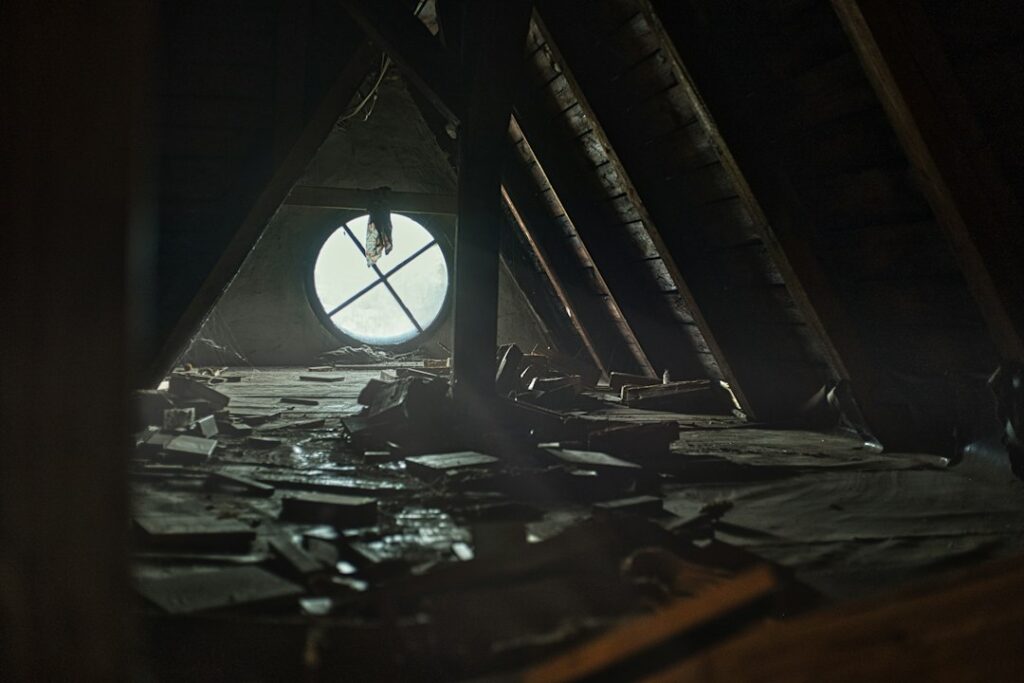
Step into an attic at 3 p.m. in July and the heat hits like an oven door. So, how hot do attics get in the summer? On a 90°F day, a typical attic under dark shingles often reaches 130°F to 150°F, and poorly ventilated attics in hot, sunny regions can climb past 160°F. Even in milder climates, attic air commonly runs 30°F to 60°F hotter than the outdoor temperature by midafternoon.
That heat does more than make the space unbearable. It radiates down into the rooms beneath, bakes any ductwork running through the attic, shortens the life of stored belongings and shingles, and pushes your air conditioner harder. The good part is that the numbers respond well to fixes like better ventilation, air sealing and insulation.
- How Hot Do Attics Get in the Summer, by Climate and Roof
- What Attic Heat Does to Your Home
- Tools and Materials for Cooling an Attic
- Fixes That Lower Attic Temperature, Step by Step
- Safe Attic Entry in Summer
- Troubleshooting Common Attic Heat Problems
- General Cost Ranges
- When to Call a Licensed Professional
- Frequently Asked Questions
How Hot Do Attics Get in the Summer, by Climate and Roof
Attic temperature depends on outdoor heat, sun intensity, roof color, ventilation and insulation. The figures here are typical examples for a midafternoon peak in a conventionally vented attic:
| Climate and outdoor high | Dark roof, weak venting | Light roof, good venting |
|---|---|---|
| Mild (80°F, Northern states) | 115°F to 130°F | 95°F to 105°F |
| Warm humid (90°F, Southeast) | 135°F to 150°F | 105°F to 115°F |
| Hot dry (105°F, Southwest desert) | 150°F to 170°F | 115°F to 130°F |
Roof color makes a large difference. Dark asphalt shingles can reach 150°F to 180°F on the surface in direct sun, and much of that heat passes through the roof deck into the attic. Light-colored or reflective roofing often runs 40°F to 60°F cooler on the surface. Metal roofs with reflective coatings and tile roofs with an air gap underneath also tend to keep attic temperatures lower.
Timing matters too. Attics heat up through the morning, peak between about 2 p.m. and 5 p.m., and stay hot well into the evening because the roof deck and framing store heat. Many attics do not drop near outdoor temperature until after midnight. By early morning, often 6 a.m. to 9 a.m., the space is closest to outdoor air temperature, which is the safest time to work up there.
What Attic Heat Does to Your Home
Stored items
Temperatures above 120°F warp vinyl records, melt candles, crack leather, fade photographs, damage electronics and batteries, and degrade adhesives in boxes and tape. Paint, aerosol cans, propane cylinders and other chemicals should never be stored in an attic, since high heat can cause leaks, pressure buildup or fire risk. Important documents, holiday heirlooms and anything made of wood glue or plastic last longer in a climate-controlled closet.
Ductwork and HVAC equipment
Many homes run supply ducts through the attic. When the surrounding air is 140°F, cool air picks up heat on its way to the rooms, and any leak in a joint pulls hot attic air into the system. Ducts in attics can lose a significant share of their cooling capacity this way. Air handlers located in attics also work harder and age faster.
Ceilings, rooms and energy bills
Hot attic air and the heated roof deck radiate down through ceiling drywall. Upstairs rooms often run several degrees warmer than the thermostat reading, and the air conditioner runs longer to keep up. Shingles also age faster when the roof deck underneath stays extremely hot.
Tools and Materials for Cooling an Attic
- Digital thermometer with a remote sensor or memory function, to log peak attic temperature
- Soffit and ridge vents, or gable vents, sized for the attic floor area
- Baffles (rafter vents) to keep insulation from blocking soffit airflow
- Canned spray foam, fire-rated sealant and weatherstripping for air sealing
- Blown-in or batt insulation to bring the attic floor to recommended depth
- Radiant barrier foil, in hot sunny climates
- A solar attic fan, where passive venting falls short
- Safety gear: N95 respirator, gloves, eye protection, long sleeves, headlamp and kneeling boards
Fixes That Lower Attic Temperature, Step by Step
- Measure first. Leave a thermometer with min and max memory in the attic for a few days. Compare the peak to the outdoor high so you know your starting point.
- Check intake vents. Soffit vents are the most commonly blocked part of the system. From inside the attic, look along the eaves for insulation stuffed against the roof deck. Install baffles to keep a clear air channel.
- Confirm exhaust vents. Ridge vents, roof vents or gable vents let hot air escape. Balanced ventilation typically needs roughly equal intake and exhaust area. Mixing exhaust types, such as a ridge vent plus a powered fan, can short-circuit airflow, so get advice before combining them.
- Air seal the attic floor. Seal gaps around plumbing stacks, wire holes, top plates, recessed lights rated for contact and the attic hatch. Air sealing keeps conditioned air in the house and stops attic heat and humidity from leaking down.
- Add insulation. Many U.S. regions call for roughly R-38 to R-60 in attic floors, about 12 to 20 inches of loose fill depending on material. Insulation does not cool the attic itself, but it blocks heat from reaching the rooms below.
- Consider a radiant barrier. In hot, sunny climates, foil stapled to the underside of rafters can reduce heat radiated from the roof deck. Leave the reflective side facing an air space.
- Add powered ventilation only if needed. A solar attic fan can help where passive vents are limited. Make sure intake area is adequate so the fan does not pull conditioned air from the house through ceiling gaps.
- Seal and insulate ducts. Use mastic or foil tape rated for ducts on joints, and add duct insulation wrap where coverage is thin.
Safe Attic Entry in Summer
Working in a 140°F attic can cause heat exhaustion within minutes. Go up early in the morning, limit sessions to 15 or 20 minutes, carry water, and have someone in the house who knows you are up there. Stop immediately if you feel dizzy, nauseous or develop a headache.
Ladder safety matters as much as heat. Use a sturdy attic ladder or a stepladder rated for your weight plus tools, fully opened and locked on a level floor. Keep three points of contact while climbing, and never stand on the top cap. Inside the attic, step only on joists or kneeling boards laid across them; stepping between joists can put a foot through the ceiling and cause a fall. For exterior vent work on a roof that is two stories or more, or on a steep pitch, hire a roofer rather than climbing yourself.
Watch for exposed wiring and avoid disturbing it. Before working near any light fixture or electrical box, turn off the breaker and confirm the power is off with a non-contact voltage tester. Older loose-fill insulation that looks gray-brown and pebbly may contain vermiculite, which can contain asbestos; leave it alone and have it tested. Wear an N95 respirator when moving fiberglass.
Troubleshooting Common Attic Heat Problems
Attic stays hot despite vents
Blocked soffits are the usual culprit. Without intake air, exhaust vents cannot move heat out. Painted-over soffit screens and insulation packed into eaves both cause it.
Upstairs is hot even with good venting
Thin insulation, air leaks and leaky attic ducts often matter more than attic air temperature. An energy audit with a blower door test pinpoints the gaps.
Attic fan runs but the house gets warmer
A powered fan without enough intake can pull cooled air up through ceiling cracks and fixtures. Add intake vents or air seal the attic floor first.
General Cost Ranges
These are typical examples that vary widely by region and attic size. DIY baffles and air sealing supplies may cost $100 to $300. Professional air sealing often runs $500 to $2,000. Blown-in insulation for an average attic commonly costs $1,500 to $3,500. Ridge vent installation ranges from a few hundred dollars to over $1,000, while solar attic fans generally cost $300 to $800 for the unit, plus installation. Radiant barrier installation often runs $0.50 to $1.50 per square foot.
When to Call a Licensed Professional
Roof penetrations for vents and fans should be installed by a licensed roofer to keep the roof watertight and preserve warranties. Hardwired attic fans, new circuits or any wiring changes belong with a licensed electrician. HVAC contractors should handle duct repair, relocating equipment or adding return paths. Some jurisdictions require permits for roofing, electrical and insulation work, so check with your local building department. A professional is also the right call for suspected asbestos insulation, any attic over a two-story home that requires roof access, and signs of rot, mold or structural damage in rafters.
Frequently Asked Questions
How hot do attics get in the summer on a 100°F day?
An attic under dark shingles with weak ventilation often reaches 150°F to 170°F on a 100°F day. Light roofs with good ventilation may stay closer to 115°F to 130°F.
Is 130°F normal for an attic?
On a hot summer afternoon, yes. Most attics run 30°F to 60°F above outdoor temperature at peak. Readings far beyond that suggest weak ventilation or a dark roof absorbing a lot of heat.
When is it safe to go in the attic in summer?
Early morning, usually before 9 a.m., is coolest. Keep visits short, bring water, and stop if you feel lightheaded.
Does attic heat affect my air conditioning?
Yes. Heat radiates through ceilings, and ducts in hot attics lose cooling capacity. Air sealing, insulation and sealed ducts cut that load noticeably.
Do solar attic fans really work?
They can lower peak attic temperature when intake venting is adequate. Without enough intake, they may pull conditioned air from the house, so check soffit vents first.