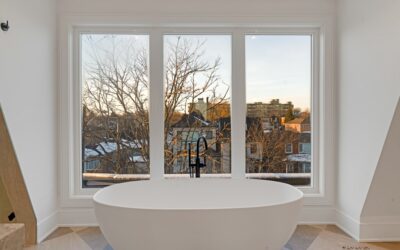
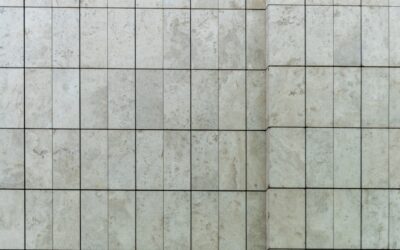
Coastal flooring captures the relaxed elegance of beachside living, regardless of whether your home sits on the shore or hundreds of miles inland. The style emphasizes light tones, natural textures, weathered finishes, and a breezy openness that makes every room feel calm and inviting. Choosing the right flooring is the foundation of any coastal interior, and the options are broader than you might expect.
This guide walks you through the best materials, colors, finishes, and design strategies for creating an authentic coastal look. From whitewashed hardwood to bleached-tone vinyl plank, there is a coastal flooring solution for every budget and lifestyle.
What Defines Coastal Flooring
Coastal design draws its palette from the natural elements of a beach environment: sand, driftwood, sea glass, shells, and ocean water. The flooring anchors this palette with light, neutral tones that create a sense of open space and reflected light. Unlike dark or richly stained floors that absorb light and create a formal atmosphere, coastal floors bounce light around the room and establish an airy foundation for the rest of the decor.
Key characteristics of coastal flooring include light to medium wood tones, whitewashed or limed finishes, visible wood grain that adds texture, matte or satin sheens rather than high gloss, and wide planks that enhance the sense of spaciousness. The goal is a floor that looks like it has been gently sun-bleached and weathered by salt air, even if it just came out of a box.
Best Materials for Coastal Flooring
Whitewash Hardwood
Nothing captures the coastal aesthetic quite like whitewashed hardwood flooring. White oak is the most popular species for this treatment because its open grain absorbs the whitewash stain beautifully, creating a pale, driftwood-like appearance with visible grain detail. The result is a floor that looks like reclaimed boardwalk planking, polished and brought indoors.
The whitewashing process involves applying a diluted white paint or specialized liming wax over the raw or lightly sanded wood, then wiping away the excess so the stain settles into the grain. This allows the natural wood texture to show through while shifting the overall color toward a pale, sun-faded tone. Wide planks in the seven-inch to nine-inch range amplify the effect and reduce the number of seam lines, which contributes to the open, flowing look that coastal design demands.
Whitewashed hardwood works beautifully in living rooms, bedrooms, and hallways. In kitchens and bathrooms where moisture is a concern, consider engineered wood with a whitewash finish for better dimensional stability.
Light Oak and Natural Wood Tones
If whitewash feels too pale for your taste, light natural oak strikes a perfect balance. European white oak finished with a clear matte or satin polyurethane shows off its honey-gold tones and cathedral grain patterns. This warm, sandy look evokes sun-bleached sand dunes and pairs effortlessly with coastal blues, greens, and whites.
Wire-brushed or hand-scraped textures add another dimension to light oak flooring. The subtle surface variation mimics the look of weathered wood and adds tactile interest underfoot. This texture also hides minor scratches and wear, which is practical for households with kids and pets.
Bleached and Cerused Finishes
Cerusing is a finishing technique where white pigment is worked into the open pores of the wood and then the surface is sealed. On oak, ash, or walnut, this creates a striking two-tone effect where the pores appear white against the natural wood color. The effect is subtle on light woods and more dramatic on medium-toned species.
Bleached finishes go a step further, using wood bleach to strip the natural color from the wood before applying a clear topcoat. The result is an almost bone-white floor that still reads as natural wood thanks to the visible grain. Bleached white oak is a designer favorite for high-end coastal interiors.
Luxury Vinyl Plank in Coastal Tones
LVP flooring has become one of the most practical choices for coastal-style homes. Modern vinyl plank convincingly replicates the look of whitewashed or light oak hardwood at a fraction of the cost, while offering waterproof performance that real wood cannot match. This is especially valuable in coastal climates where humidity levels fluctuate significantly.
Look for LVP in colors described as driftwood, beachwood, whitewashed oak, or coastal pine. Wide-format planks with registered embossed textures provide the most realistic appearance. The best options feature a rigid SPC or WPC core that resists denting and temperature expansion.
Light-Toned Laminate
Laminate flooring offers another budget-friendly path to a coastal look. Whitewashed oak, bleached pine, and pale maple laminates are widely available and increasingly realistic. The best laminate options feature embossed-in-register textures that align the surface texture with the printed grain pattern, creating a convincing wood look and feel.
Natural Stone in Coastal Palettes
For bathrooms, entryways, and outdoor spaces, natural stone flooring in light tones beautifully complements coastal design. Travertine in ivory or cream tones evokes Mediterranean coastal architecture. Limestone in pale gray or buff shades has a smooth, weathered quality that feels right at home in a beach house. Even marble in soft white or light gray can work in a coastal bathroom when paired with the right fixtures and accents.
Light-Toned Tile
Porcelain and ceramic tile offer virtually unlimited options for coastal flooring. Wood-look porcelain tiles in whitewash or driftwood finishes give you the coastal hardwood look with the waterproof durability of tile. Large-format tiles in sandy beige, soft white, or pale gray create a clean, open foundation. Textured tiles that mimic natural stone or weathered wood add visual interest without competing with the rest of the coastal decor.
Coastal Flooring by Room
Living Room
The living room is where your coastal flooring sets the tone for the entire home. Wide-plank whitewashed oak or light natural hardwood works best here, creating a warm yet breezy foundation. If budget is a concern, high-quality LVP in a driftwood tone achieves a similar effect. Pair the floor with a natural jute or sisal area rug to add texture and define seating areas. Keep furniture in whites, natural linens, and soft blues to maintain the cohesive coastal look.
Kitchen
Kitchens demand waterproof or water-resistant flooring, which makes LVP, tile, or engineered hardwood the best choices. A whitewashed engineered wood floor sealed with a marine-grade finish can handle kitchen spills and humidity. Porcelain tile in a light wood-look pattern provides the coastal appearance with zero moisture concerns. Light-toned LVP is the most practical option if you want wood-look aesthetics with easy maintenance.
Bathroom
Bathrooms present the biggest moisture challenge, so choose materials that are genuinely waterproof. Porcelain tile in coastal tones is the gold standard. Large-format tiles in sandy beige or soft white create a spa-like atmosphere. Pebble-style mosaic tiles on the shower floor add a natural, beachy touch. If you prefer the wood look, wood-look porcelain planks give you the aesthetic without any moisture risk.
Bedroom
Bedrooms offer the most freedom for material selection because moisture and heavy traffic are minimal. Whitewashed hardwood feels luxurious underfoot, and wide planks create the serene, open feeling that a coastal bedroom needs. Light natural oak is equally beautiful. Layer a plush cream or blue-gray rug beside the bed for warmth and comfort.
Entryway and Mudroom
Entry areas in coastal homes take a beating from sand, water, and foot traffic. Durable porcelain tile in a light stone or cement look handles everything without showing wear. A large-format tile with a slightly textured finish provides slip resistance and hides tracked-in sand. If the entryway flows into a wood-floored living area, choose a tile that coordinates in tone for a seamless visual transition.
Color Pairing Tips for Coastal Floors
Coastal floors in whitewash or light oak tones pair naturally with a specific range of wall colors and decor elements. For walls, consider soft whites with warm undertones, pale sky blue, light sage green, or warm sandy beige. These colors keep the room feeling bright and connected to the coastal palette without overwhelming the light floor.
Furniture in natural materials like rattan, wicker, and light-toned wood reinforces the beachy atmosphere. Upholstery in white linen, cream cotton, or soft blue chambray complements light floors perfectly. Metal accents in brushed nickel, weathered brass, or matte white maintain the relaxed tone, while shiny chrome or black metal can feel too industrial for a coastal space.
Textiles are where you can introduce pattern and color. Striped rugs in blue and white, botanical prints, and coral motifs all work well against light coastal floors. The key is keeping the overall palette restrained. Two or three accent colors drawn from nature, such as ocean blue, seafoam green, and sandy tan, create a cohesive look without visual clutter.
Coastal vs Farmhouse vs Scandinavian
Coastal, farmhouse, and Scandinavian styles all favor light-toned wood floors, but the details differ. Farmhouse floors tend toward warmer, more rustic tones with heavier distressing and knottier wood. Scandinavian floors are typically very pale, almost white, with minimal grain and ultra-clean lines. Coastal floors sit between the two, with visible grain and gentle weathering but a warmer, more relaxed feel than Scandinavian minimalism.
If your style leans toward coastal farmhouse, choose a wider plank with more visible knots and a slightly warmer whitewash. If you prefer modern coastal, go with a clean, consistent bleached oak or a smooth light-toned LVP with minimal texture variation.
Maintenance and Durability
Light-colored floors show dirt differently than dark ones. While dust and dark debris are more visible on light floors, they hide scratches and water spots better than dark finishes. Regular sweeping or vacuuming, at least two to three times per week, keeps light floors looking their best. A microfiber mop with a gentle cleaner handles deeper cleaning without damaging the finish.
For whitewashed hardwood, refinishing every seven to ten years will refresh the color and repair any wear. Engineered wood can typically be refinished once or twice. LVP and laminate cannot be refinished, so choose a quality product with a thick wear layer to maximize lifespan.
Cost Considerations
Coastal flooring options span a wide price range. Laminate in coastal tones starts at $1.50 to $3 per square foot. LVP in whitewash or driftwood styles runs $2.50 to $6 per square foot. Engineered hardwood with a whitewash or light oak finish ranges from $5 to $12 per square foot. Solid white oak with a custom whitewash finish runs $8 to $15 per square foot, including finishing. Porcelain tile in coastal patterns costs $3 to $10 per square foot.
Installation adds $2 to $6 per square foot depending on the material and method. For a 1,500-square-foot home, total flooring costs can range from $5,000 for laminate to $30,000 or more for solid hardwood with a custom finish.
Frequently Asked Questions
Does coastal flooring work in a dark room?
Absolutely. Light coastal floors actually help brighten dark rooms by reflecting whatever light is available. Pair them with light walls and strategic lighting to maximize the effect.
Is whitewashed flooring hard to maintain?
Not at all. Whitewashed floors are finished with the same polyurethane or oil topcoats as any hardwood floor. Routine cleaning and occasional refinishing keep them looking beautiful for decades.
Can I create a coastal look with my existing dark floors?
If your current floors are solid hardwood, they can be sanded down and refinished with a whitewash or light stain. This is significantly cheaper than replacing the floor entirely. Engineered wood can sometimes be sanded and refinished depending on the thickness of the veneer layer.
Bringing It All Together
Coastal flooring is about creating a foundation that feels natural, light, and effortlessly relaxed. Whether you invest in genuine whitewashed hardwood or achieve the look affordably with LVP or laminate, the key is choosing light tones, visible texture, and matte finishes that evoke sun, sand, and sea. Let your floor set the stage, then layer in coastal colors and natural materials to complete the transformation.
Prefer to explore on your own?
See how new flooring looks in your actual room in seconds — free, no signup.
Try the free Floor Studio →