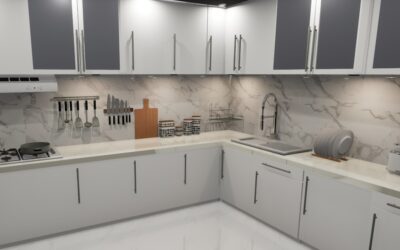
A dedicated coffee bar in kitchen spaces solves a problem most homeowners don’t articulate until they have one — the morning bottleneck where the espresso machine, the mugs, the milk frother, and a cluttered counter all collide with breakfast prep. The trick is treating the coffee bar as its own zone with proper outlet placement, dedicated storage, and a counter surface that handles heat, water, and stains. Whether you have 24 inches or 6 feet to work with, a thoughtful layout transforms morning chaos into something resembling a real cafe routine.
Part of our Kitchen Remodeling guide — explore the full guide →
- Where to Locate Your Coffee Bar
- Counter Space Requirements
- Electrical Considerations
- Storage Layout for a Coffee Bar in Kitchen
- Counter Material That Works
- Sample Equipment Lists by Budget
- Lighting Your Coffee Bar
- Plumbing for Permanent Coffee Bars
- Style Approaches
- Common Coffee Bar Mistakes
- Budget-Friendly Approach
- Frequently Asked Questions
Where to Locate Your Coffee Bar
Pick the spot based on three priorities: outlet access, water source proximity, and traffic flow. The classic location is on a counter run between the fridge and the sink — minimum 24 inches wide. The pantry corner is a strong second choice, especially if you can fit a built-in. A butler’s pantry or breakfast nook offcuts works in larger homes. Avoid placing it directly under upper cabinets unless they have at least 18 inches of clearance, because steam from espresso machines warps wood cabinetry over time.
Keep the coffee bar at least 18 inches from the cooktop. Espresso machines and grinders pull 10 to 15 amps and should not share a circuit with kitchen heating appliances.
Counter Space Requirements
Match the counter length to your equipment list. Here are realistic minimums:
- Drip coffee only: 24 to 30 inches wide, 18 inches deep
- Drip plus burr grinder: 30 to 36 inches wide
- Espresso machine plus grinder: 36 to 48 inches wide
- Full setup with milk steamer and bean storage: 48 to 72 inches
- Built-in commercial-style cafe: 72 inches or more
Depth matters too. A standard 25 inch deep counter feels cramped with a Breville Barista Express (16 inch depth) plus a tamping mat. Aim for 28 inches if you can.
Electrical Considerations
Espresso machines, grinders, and milk frothers need real power. Plan at least two dedicated 20-amp outlets within the coffee bar zone. If you run an espresso machine over 1500 watts (most semi-automatic and dual-boiler machines), it should sit on its own 20-amp circuit. Grinders are usually fine on a shared circuit but cause voltage drop when the espresso machine cycles.
Place outlets 4 to 6 inches above the counter for clean cord management. Hidden under-cabinet outlet strips like the Legrand Adorne Wiremold or Task Lighting Angle Power Strips ($120 to $300) eliminate cord clutter completely. For pop-up outlets in the counter, Lew Electric and Hubbell models run $250 to $450 installed.
Storage Layout for a Coffee Bar in Kitchen
Plan storage around three zones: drinks (mugs, glasses), supplies (beans, syrups, filters), and accessories (tampers, scales, frothing pitchers). Upper cabinets above the bar work for mugs and glasses. A drawer below holds tools and consumables. A pull-out shelf for the espresso machine itself is the single biggest upgrade for daily use — it lets you slide the machine out for cleaning and access without lifting.
- Mug storage: 12 inches above counter for daily mugs, 18+ inches for stemware
- Bean storage: Sealed canisters at room temperature — never refrigerated
- Supplies drawer: Filters, descaler, cleaning tablets, syrups
- Trash: A small pull-out for spent espresso pucks saves trips to the main trash
Counter Material That Works
Coffee bars expose counters to hot espresso, milk splatter, water, citrus from cocktails, and oily grinder residue. Quartz is the best all-around pick — non-porous, heat-resistant to about 300°F, easy to clean. Granite works but needs sealing every 1 to 2 years. Avoid marble (etches from coffee acids), butcher block (water damage), and laminate (delaminates near the steam wand). Quartz from Caesarstone, Cambria, or Silestone runs $50 to $90 per square foot installed.
Sample Equipment Lists by Budget
$300 Starter Bar
- OXO Brew 9-Cup Drip Coffee Maker ($200)
- Baratza Encore burr grinder ($170)
- Standard kettle and electric kettle ($30)
$1,500 Mid-Range Bar
- Breville Barista Express espresso machine ($700)
- Baratza Sette 270 grinder ($380)
- Acaia Pearl scale ($150)
- Bellman milk steamer ($90)
- Mug warmer plate ($50)
$5,000+ Pro Setup
- Profitec Pro 600 dual boiler ($2,300)
- Eureka Mignon Specialita grinder ($600)
- Acaia Lunar scale ($250)
- Built-in cabinet with pull-outs ($1,500)
- Quartz counter run ($800)
Lighting Your Coffee Bar
Under-cabinet LED strips are the single best lighting upgrade. The good ones (DALS Lighting, Kichler Direct-Wire) run 2700K to 3000K for warm light that flatters wood and brass finishes. Skip battery-powered puck lights — they fail within a year of daily use. Plan one strip across the full width of the upper cabinet, plus accent pendants if your bar fronts a peninsula or open area. Pendants should hang 30 to 36 inches above the counter.
Plumbing for Permanent Coffee Bars
If you use the coffee bar daily and have the budget, run dedicated plumbing. Options include a small bar sink (24 inch undermount, $150 to $400), a filtered water dispenser tap (Insinkerator F-HC2200, $400), or a pot filler (less common but available from Kohler and Delta). A water softener bypass for the espresso machine extends machine life dramatically — descaling every 6 months versus every 6 weeks.
Plumbed espresso machines (vs. tank-fed) are a luxury with real returns. They eliminate the daily reservoir refill, run cleaner because the water source is consistent, and support faster back-to-back drinks. Adding a 1/4 inch supply line and shutoff costs $150 to $400 if your kitchen plumbing is accessible.
Style Approaches
- Built-in cabinet: Hide the machines behind tambour or pocket doors when not in use
- Open shelving cafe look: Display mugs, beans, and accessories like a coffeehouse
- Minimalist galley: Single counter run with two appliances and integrated lighting
- Repurposed hutch or buffet: Standalone furniture piece, no construction needed
- Hidden in butler’s pantry: Behind a door, full mess hidden during entertaining
Common Coffee Bar Mistakes
- Choosing a counter too narrow for your machine plus workflow space (need at least 6 inches around the machine)
- Skipping the dedicated 20-amp circuit — espresso machines trip shared breakers
- Placing outlets too low or behind appliances where cords kink
- Using marble or wood counters that stain from coffee oils
- Forgetting the trash spot — spent pucks pile up fast
- Over-decorating with accessories that block the actual workflow
Budget-Friendly Approach
You don’t need a full renovation. A $400 hutch or bar cart, a $30 surge protector, and reorganized counter space can deliver 80 percent of the experience. Add a wall-mounted floating shelf above for mugs ($60), a $40 mug rack, and you have a defined coffee zone without contractors. Tray under the espresso machine catches drips and protects whatever surface you set up on.
Frequently Asked Questions
How much does a built-in coffee bar cost?
Custom built-ins run $1,500 to $6,000 depending on cabinet quality, electrical work, and counter material. A simple counter retrofit with new outlets and lighting runs $300 to $800.
Do I need a separate water filter for my espresso machine?
Yes, especially in hard water areas. Either install a dedicated under-counter filter or use a Brita pitcher refilled daily. Hard water destroys boilers within 2 to 3 years; filtered water extends machine life to 10+ years.
What size is the smallest practical coffee bar?
24 inches wide and 18 inches deep fits a single brewer plus a small grinder. Below that you cannot fit the machine plus work room for the carafe and grounds.
Should I include a microwave on the coffee bar?
No. The vibration and heat are bad for espresso equipment, and microwaves rarely fit the cafe aesthetic. Locate microwaves elsewhere in the kitchen.
Can I add a coffee bar to a small kitchen?
Yes — a 24 inch wide section of counter, a small floating shelf for mugs, and a single outlet upgrade is enough. The smaller the space, the more curated the equipment list needs to be.