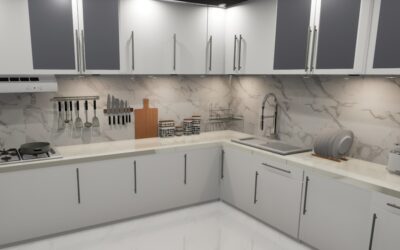
For two decades the safe kitchen backsplash was white subway tile, and it is still everywhere. But homeowners are tired of playing it safe, and a colorful kitchen backsplash has become one of the easiest ways to inject personality into a space that too often turns out beige. The backsplash is the perfect place to take a risk: it covers a manageable amount of wall, it draws the eye at counter height, and it is far cheaper to change than cabinets or countertops. I have watched a single band of bold tile turn a flat builder kitchen into a room people actually remember.
This guide covers how to choose color, which tile materials work, smart pairings, and how to keep a bold backsplash from feeling dated in a few years.
Why Add Color to Your Backsplash
The backsplash sits at eye level between your counters and uppers, which makes it the focal strip of the whole kitchen. Adding color there does a few things at once. It injects energy and warmth that a neutral kitchen lacks. It lets you express your taste without committing to colorful cabinets or appliances. And because the area is relatively small, you can be bolder than you would be on a larger surface and still keep the room balanced. If your countertops and cabinets are neutral, the backsplash is exactly where color belongs.
Choosing Your Color
Color choice should respond to the rest of the kitchen and the mood you want.
- Blues and greens: calming, versatile, and endlessly popular; a deep teal or sage reads both fresh and timeless
- Warm terracotta and clay: cozy, earthy, and forgiving of food stains and grease
- Bold jewel tones: emerald, sapphire, and ruby create drama in a kitchen with neutral cabinets
- Soft pastels: blush, mint, or pale yellow add color while keeping things light and airy
- Multicolor and patterned: hand-painted or encaustic-look tile brings several colors in one statement
A reliable approach is to pick a color already present somewhere in the room, in your dishware, a rug, or a window view, so the backsplash feels connected rather than random.
Tile Materials That Bring Color
Different materials carry color in different ways, which affects both the look and the upkeep.
Glazed Ceramic and Porcelain
The workhorses of colorful tile. Glazes come in nearly every shade, they wipe clean easily, and they are affordable, generally $5 to $20 per square foot. A glossy glaze makes a color pop and bounces light; a matte glaze reads more muted and modern.
Glass Tile
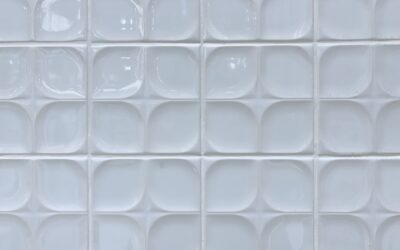
Glass tile has a luminous depth that solid ceramic cannot match, and the color seems to glow as light hits it. It is excellent for blues, greens, and aquas. It costs more and shows water spots, but the brightness is worth it in a small or dim kitchen.
Hand-Painted and Encaustic-Look Tile
For pattern and old-world charm, Moroccan, Talavera, and encaustic-style tiles pack multiple colors and motifs into each piece. They make a strong statement and work beautifully as a focal section behind a range.
Pairing Color With Cabinets and Counters
A colorful backsplash works best when the surfaces around it give it room to breathe. With white or wood cabinets and a neutral counter, almost any backsplash color sings because nothing competes with it. If you already have colored cabinets, keep the backsplash more restrained or pull a complementary tone so the two do not clash. A solid-color quartz or light stone counter is the ideal neutral partner for a bold backsplash, while a busy granite usually calls for a calmer tile.
Keeping It Timeless
The fear with any bold choice is that you will hate it in five years. A few strategies keep a colorful backsplash feeling fresh rather than trendy:
- Anchor it with neutrals. Surround the color with neutral cabinets and counters so the kitchen reads balanced, not chaotic.
- Choose a tile shape that lasts. Subway, square, and picket shapes age well even in a bold color, where a very trendy shape may not.
- Lean toward nature-derived hues. Blues, greens, and earthy tones have staying power that neon and ultra-trendy shades lack.
- Limit the statement area. A bold backsplash behind the range with calmer tile elsewhere gives drama without overwhelming.
- Keep grout simple. A neutral grout lets the tile carry the color without adding visual noise.
Budget and Installation Notes
A standard kitchen backsplash runs about 30 to 40 square feet, so even a premium tile keeps the total reasonable compared with a full remodel. Factor in tile at $5 to $30 per square foot, plus thinset, grout, and trim. Professional installation typically adds $10 to $20 per square foot. Glass and patterned tiles take more skill to set, so they cost more to install but reward the effort. If you are budget-minded, a colorful tile is one of the highest-impact dollars you can spend in a kitchen.
Cleaning and Upkeep
A backsplash earns its color only if it stays looking good, and a kitchen wall takes constant grease, splatter, and steam. Glazed ceramic, porcelain, and glass are the easiest to live with, since a damp cloth and mild cleaner wipe them clean and the color does not fade. Lighter colors and white grout show splatter fastest, especially behind the range, so a darker or mid-tone grout buys you time between scrubs. Natural stone and handmade tiles need gentler care, including sealing and avoiding acidic cleaners that etch the surface. Seal the grout once it cures and wipe spills promptly, and a bold backsplash will hold its color and shine for the long haul without much fuss.
The Bottom Line
A colorful kitchen backsplash is the smartest place to break out of the neutral rut, adding personality exactly where the eye lands without the cost or risk of recoloring an entire room. Pull your color from something you already love in the space, choose a durable glazed or glass tile, surround it with neutral cabinets and counters, and stick with a shape and hue that age gracefully. Do that, and your kitchen will feel personal and alive for years to come.