
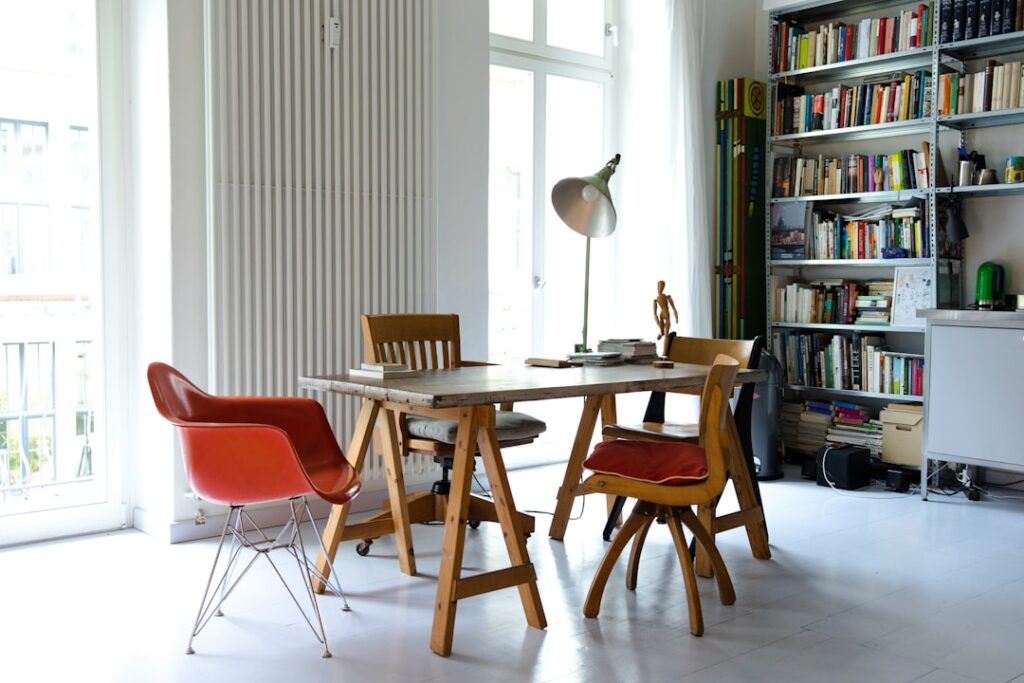
Brown is one of the most versatile and grounding colors in interior design, yet many homeowners struggle to find the right colors that go with brown. Whether you have brown flooring, furniture, cabinets, or wall accents, choosing complementary colors can transform a space from dull and dated to warm, sophisticated, and inviting.
- Why Brown Works: Color Theory Basics
- Best Colors That Go With Brown
- Cream and Ivory With Brown
- Sage Green With Brown
- Blue With Brown
- Gold and Mustard With Brown
- Blush Pink With Brown
- Pairings by Shade of Brown
- Light Brown and Tan
- Medium Brown (Caramel, Walnut, Chestnut)
- Dark Brown (Chocolate, Espresso, Mahogany)
- Red-Toned Brown (Cognac, Auburn, Rust)
- Gray-Toned Brown (Taupe, Greige)
- Room-by-Room Color Combinations
- Matching Wall Colors to Brown Flooring
- Brown Color Trends for 2026
- Colors to Avoid With Brown
- Expert Color Pairing Tips
- Frequently Asked Questions
This comprehensive color guide explores the best pairings for every shade of brown, from light tan and caramel to rich chocolate and espresso. You will find specific color combinations, room-by-room inspiration, and expert tips for creating cohesive, on-trend designs in 2026.
Why Brown Works: Color Theory Basics
Brown is a warm neutral created by combining red, yellow, and blue in various proportions. This complex composition is precisely why brown pairs well with so many other colors. It contains elements of all three primary colors, giving it a natural harmony with virtually any hue on the color wheel.
Understanding the undertones in your specific shade of brown is the key to successful color pairing. Brown can lean warm (with red or orange undertones), cool (with gray or green undertones), or neutral (a balanced blend). Identifying these undertones helps you choose colors that enhance rather than clash with your brown elements.
In 2026, brown has made a major comeback in interior design after years of gray dominance. Designers and homeowners alike are embracing warm, earthy tones that create comfortable, cocooning spaces. From mocha walls to walnut flooring, brown is once again a design staple.
Best Colors That Go With Brown
Here are the most versatile and universally flattering color pairings for brown, organized by color family.
| Color | Pairing Type | Mood Created | Best Brown Shades |
|---|---|---|---|
| Cream & Ivory | Neutral | Warm, classic, airy | All shades |
| White | Contrast | Clean, modern, crisp | Dark brown, espresso |
| Sage Green | Complementary | Natural, calming, organic | Warm brown, walnut |
| Dusty Blue | Complementary | Sophisticated, balanced | Chocolate, coffee |
| Teal | Complementary | Bold, dramatic, luxe | Dark brown, mahogany |
| Burnt Orange | Analogous | Warm, energetic, cozy | Light brown, tan |
| Gold & Mustard | Analogous | Rich, luxurious, warm | Chocolate, walnut |
| Blush Pink | Contrast | Soft, romantic, modern | Warm brown, caramel |
| Charcoal | Neutral | Masculine, grounded, sleek | Tan, taupe |
| Terracotta | Analogous | Earthy, global, grounded | All shades |
Cream and Ivory With Brown
The safest and most universally appealing pairing. Cream walls with brown furniture create a timeless, welcoming atmosphere that works in any room. This combination is particularly effective with medium-toned browns like caramel, honey, and chestnut. The warmth of cream softens brown without dulling it.
Sage Green With Brown
Nature provides the inspiration for this pairing: think tree bark against leaves. Sage green walls or accessories bring a refreshing, organic quality to rooms with brown elements. This combination works beautifully in living rooms, bedrooms, and dining spaces where a calming atmosphere is desired.
Blue With Brown
Blue and brown are natural complements that create a balanced, sophisticated palette. Lighter blues (sky, powder, dusty blue) pair well with darker browns, while deeper blues (navy, cobalt, teal) work best with medium-toned browns. This pairing is especially popular for bedrooms, living rooms, and home offices.
Gold and Mustard With Brown
Warm metallics and mustard yellow inject energy and luxury into brown-based designs. Gold hardware, frames, and light fixtures elevate brown furniture from casual to elegant. Mustard throw pillows or curtains add a vibrant accent that feels intentional and on-trend for 2026.
Blush Pink With Brown
This unexpected pairing creates a modern, sophisticated look that feels fresh without being overly feminine. Soft pink walls or textiles warm up dark brown furniture and add a contemporary edge. The combination works particularly well in bedrooms, bathrooms, and sitting areas.
Pairings by Shade of Brown
Different shades of brown have different undertones and therefore pair best with different accent colors. Here is a breakdown by shade.
Light Brown and Tan
Light browns have warm, golden undertones that pair beautifully with: white, navy blue, olive green, coral, deep plum, and charcoal gray. These lighter tones serve as excellent neutrals that allow bold accent colors to take center stage. Light brown area rugs in particular provide a warm foundation for colorful room designs.
Medium Brown (Caramel, Walnut, Chestnut)
Medium browns are the most versatile, working with: cream, sage green, dusty blue, burnt orange, gold, terracotta, and burgundy. Walnut and chestnut tones are particularly popular for hardwood floors and furniture, creating a rich foundation that supports both warm and cool accent palettes.
Dark Brown (Chocolate, Espresso, Mahogany)
Dark browns carry dramatic weight and pair best with: bright white, pale blue, mint green, blush pink, copper, ivory, and light gray. The high contrast between dark brown and lighter colors creates visual interest and prevents dark rooms from feeling oppressive. Always balance dark brown with ample lighter tones.
Red-Toned Brown (Cognac, Auburn, Rust)
These warm browns lean toward orange and red and complement: teal, deep green, navy, cream, gold, and cool gray. The red undertones in cognac leather furniture or auburn wood floors come alive when paired with blue-green accents that provide complementary contrast.
Gray-Toned Brown (Taupe, Greige)
Cool browns with gray undertones pair well with: soft blue, lavender, dusty rose, silver, cool white, and pale green. Taupe has become incredibly popular as a sophisticated alternative to pure gray, offering warmth without the intensity of traditional brown tones.
Room-by-Room Color Combinations
Living Room
For living rooms with brown sofas or sectionals, paint walls in warm white or cream and layer with green plants, blue accent pillows, and gold-toned metal accessories. A patterned area rug that incorporates both brown and your accent color ties the scheme together. This approach creates an inviting space perfect for both relaxation and entertaining.
Bedroom
Brown bedroom furniture pairs beautifully with soft, restful wall colors like dusty blue, sage green, or blush pink. White bedding creates a crisp contrast against a brown headboard, while warm-toned nightstand lamps and throw blankets add coziness. Choosing the right rug size for your bed in a complementary color anchors the design.
Kitchen
Brown cabinets or countertops shine against white or cream walls with brass hardware. Add color through a patterned backsplash in blue, green, or terracotta tones. Open shelving styled with white dishes and green plants brings freshness to brown kitchen designs. Consider your counter decor carefully to enhance the color palette.
Bathroom
Brown vanities and cabinetry look stunning with white tile walls, brass fixtures, and green accents through plants or towels. For a spa-like atmosphere, pair warm brown wood tones with soft blue walls and white accessories. Waterproof tile flooring in complementary tones completes the look.
Home Office
A brown desk or bookshelf paired with navy blue or hunter green walls creates a commanding, professional atmosphere. Brass desk accessories, a cream desk pad, and warm-toned art prints add sophistication without distraction.
Matching Wall Colors to Brown Flooring
Brown flooring is one of the most common design elements homeowners need to coordinate with wall colors. Here are the best approaches based on your floor’s specific tone.
| Floor Color | Best Wall Colors | Accent Colors | Avoid |
|---|---|---|---|
| Light Oak | Cool white, soft gray, pale blue | Navy, forest green, coral | Yellow, orange |
| Honey Maple | Warm white, sage green, light gray | Teal, burgundy, charcoal | Red-orange, bright yellow |
| Walnut | Cream, dusty blue, sage | Gold, rust, ivory | Dark gray, black |
| Dark Espresso | White, light gray, pale green | Blush, copper, sky blue | Dark blue, dark green |
| Cherry/Mahogany | Cream, cool gray, soft blue | Teal, gold, ivory | Red, orange, pink |
The general rule for brown flooring is to create contrast. If your floors are dark, choose lighter walls. If floors are light, you have more flexibility with both light and medium wall colors. Avoid matching the wall color too closely to the floor color, as this creates a monotonous, undefined look.
Brown Color Trends for 2026
Brown is experiencing a renaissance in interior design for 2026. Here are the most exciting trends incorporating brown into modern homes.
Warm minimalism. The stark, cold minimalism of recent years is giving way to warm minimalism that uses brown as a primary neutral. Think clean lines and uncluttered spaces rendered in warm cream, caramel, and walnut tones rather than white and gray.
Earthy maximalism. On the opposite end, maximalist spaces are embracing layered brown tones with rich textures like leather, linen, wood, and woven baskets. Multiple shades of brown work together when varied textures provide visual distinction.
Brown and black. The combination of warm brown with matte black hardware, frames, and fixtures creates a dramatic, high-contrast look that feels both modern and timeless. This pairing is especially popular in kitchens and bathrooms with wood-toned vanities.
Terracotta revival. Terracotta walls, tiles, and accessories are one of the biggest design trends of 2026. This red-brown earth tone pairs naturally with cream, olive green, and muted gold for a Mediterranean-inspired warmth that works in any climate.
Chocolate accent walls. Deep chocolate brown accent walls are making a bold comeback, serving as a dramatic backdrop for art, mirrors, and light-colored furniture. This trend works best in rooms with ample natural light and white or cream on the remaining walls.
Colors to Avoid With Brown
While brown is versatile, certain color combinations can create unflattering or overwhelming results.
Bright neon colors. Neon green, electric blue, and hot pink clash with brown’s natural warmth. If you want a vibrant accent, choose saturated but not neon versions of these colors instead.
Too-similar browns. Using the same shade of brown on walls, floors, and furniture creates a flat, muddy appearance with no visual depth. When layering browns, vary the shades significantly and introduce texture differences.
Cool gray without warmth. Pure cool gray with no warm undertones can make brown elements look dingy and out of place. If you want gray walls with brown furnishings, choose greige (gray with warm undertones) instead.
Bright yellow. While mustard and gold work beautifully with brown, bright or lemon yellow creates a jarring contrast that reads as chaotic rather than intentional. Stick to deeper, more muted yellow tones.
Matching wood tones. Trying to match wood furniture to wood floors in exactly the same tone usually looks like a failed attempt at matching. Instead, choose wood tones that are distinctly different (light floor with dark furniture or vice versa) for a more deliberate, designer look.
Expert Color Pairing Tips
Use the 60-30-10 rule. Allocate 60 percent of the room to your dominant color (often a neutral like cream or white), 30 percent to your secondary color (brown), and 10 percent to your accent color (a bold complement). This ratio creates a balanced, visually comfortable space.
Pull accent colors from existing elements. Look at the specific undertones in your brown flooring, furniture, or cabinets and choose accent colors that are already subtly present. A walnut floor with red undertones will naturally pair well with terracotta and burgundy accents.
Test colors in your specific lighting. Brown looks dramatically different under warm incandescent light versus cool LED or natural daylight. Always test paint samples on your walls and observe them at different times of day before committing to a full room.
Layer textures for depth. When working with a brown-heavy palette, vary textures to prevent the space from feeling flat. Combine smooth leather, rough linen, woven jute, polished wood, and matte ceramics to create visual interest within a cohesive color scheme.
Use white as a palate cleanser. In rooms with substantial brown elements, white trim, ceilings, and select accessories provide visual relief that keeps the space from feeling heavy or dark. White creates breathing room between brown surfaces.
Frequently Asked Questions
What is the best accent color for brown furniture?
The best accent color for brown furniture depends on the room’s purpose. For living rooms, teal or sage green creates a sophisticated contrast. For bedrooms, dusty blue or blush pink adds softness. Gold and brass accessories work as accent metallics in any room with brown furniture.
Does gray go with brown?
Gray and brown can work together beautifully if you choose the right tones. Warm grays (greige) pair naturally with brown, while cool grays can create a sophisticated contrast when used intentionally. Avoid combining cool gray walls with warm brown flooring, as the undertones will clash.
What wall color goes best with brown hardwood floors?
White, cream, and light sage green are the most universally flattering wall colors for brown hardwood floors. For dark brown floors, choose lighter wall colors to create contrast. For light brown floors, you have more flexibility with medium-toned wall colors like dusty blue or soft green.
Is brown a good color for a bedroom?
Brown is an excellent bedroom color because it promotes warmth, comfort, and relaxation. Use lighter shades of brown (tan, camel, taupe) on walls and reserve darker tones (chocolate, espresso) for furniture and accents. Pair with soft blue or green bedding for a calming, sleep-friendly environment.
What colors make a brown room look bigger?
To make a brown room appear larger, pair brown elements with white, cream, or pale blue walls. Use mirrors to reflect light, choose light-colored curtains that let in natural light, and keep furniture in lighter tones. The contrast between light walls and brown accents creates depth that makes the space feel more expansive.
Does navy blue go with brown?
Navy blue and brown is one of the most classic and sophisticated color combinations in interior design. The deep, cool tones of navy provide a perfect complement to brown’s warmth. This pairing works in any room and creates a grounded, tailored atmosphere similar to well-dressed menswear.
Can you mix different shades of brown in one room?
Yes, mixing different shades of brown is a design technique that creates rich, layered interiors. The key is to vary the shades significantly (pair light tan with dark chocolate, not two similar medium browns) and introduce different textures to distinguish each element. A light oak floor with dark walnut furniture and caramel leather accents exemplifies this approach beautifully.
Last updated: March 2026


