Dead batteries are the number one complaint we hear about electronic keypads, and they always seem to die on the coldest night of the year. A mechanical combination door lock avoids that problem entirely. It uses a row of push buttons connected to internal tumblers, so the lock opens when you press the correct sequence and turn the knob or lever, with no batteries, wiring or app involved. That makes it a strong fit for side doors, garages, sheds, workshops, rental units and any door where people come and go without keys.
Part of our Windows & Doors guide — explore the full guide →
Mechanical push-button locks are not the same as electronic keypad locks. They have fewer code options and no audit trail, but they work through power outages, ignore extreme heat and cold, and can last decades with minimal care. Here is how they work, how codes are changed, and how to pick and install one.
How a Combination Door Lock Works
Behind the buttons sits a combination chamber: a set of small slides, pins or tumblers, one for each button. When you press a button, its tumbler moves out of a blocking position. Once every button in the code has been pressed and no wrong buttons have been pressed, the blocking parts line up, and turning the knob or lever retracts the latch or bolt. Pressing a wrong button leaves its tumbler out of line, and the lock stays shut.
Most models include a clear function, usually by turning the knob the opposite way or pressing a dedicated button. Clearing resets every tumbler to its starting position, so you always start fresh after a mistake or after someone else tried the lock.
Order and Repeats
On many mechanical designs, the order of button presses does not matter, and each button can be used only once in a code. That reduces the number of possible combinations compared with an electronic keypad. Some higher-end models allow pressing two buttons at once as a single step, which adds combinations. A 5-button lock that ignores order offers a few dozen useful codes, while 10 or 12 button models offer thousands. Check the lock’s specifications if you need a large number of possible codes.
Changing the Code
Code changes vary by design, but they generally fall into three styles:
- Control key or change key on the inside. With the door open, you insert a small change key or turn a control cylinder, enter the new code, and lock in the change. This is the most convenient design for homes and small offices.
- Remove-and-reset. You remove the inside trim, take out the combination chamber, and reposition small pins or tumblers by hand. It takes 10 to 20 minutes and requires following the diagram exactly.
- Front-panel change with a key override. Some commercial units let an administrator change the code from the outside after unlocking with a master key.
Always change the code with the door open, then test the new code several times before closing it. A typo during reset is the most common way people lock themselves out. Write the new code down and store it somewhere safe that is not on or near the door.
Lock Styles: Knobs, Levers and Deadbolts
Combination Knob and Lever Locks
These replace a standard knob or lever latch. They are good for interior doors (offices, storage rooms, utility closets) and for secondary exterior doors where a separate deadbolt also exists. Lever styles are easier for people with limited hand strength and meet accessibility expectations in many commercial spaces.
Combination Deadbolt Lock
A combination deadbolt lock throws a 1 inch bolt when you enter the code and turn the knob, then locks again with a thumb turn or by turning the knob back. This style gives you the strength of a deadbolt without a key. Some combination door locks with deadbolt features combine both in one body, so the latch and bolt retract together when the code is entered.
Combination Door Lock Sets
Combination door lock sets pair a push-button deadbolt with a matching passage or entry knob in the same finish. They are convenient when replacing hardware on a whole door, and matched sets are usually easier to fit to a single bore pattern. Make sure both pieces suit your door thickness and backset.
Durability Grades and What to Look For
Door hardware in the US is commonly graded by ANSI/BHMA standards. Grade 1 is the toughest and is aimed at commercial doors with heavy traffic. Grade 2 is a strong residential and light commercial level. Grade 3 meets basic residential needs. For an exterior door or a busy shared door, a Grade 1 or Grade 2 mechanical combination door lock is worth the extra cost.
- All-metal combination chamber: brass or steel internals outlast plastic parts.
- Weather resistance: look for sealed buttons and corrosion-resistant finishes if the door faces rain, salt air or freeze-thaw cycles.
- Key override: a keyed cylinder lets an owner or manager get in if the code is lost.
- Passage or hold-open mode: handy for offices or shops that want the door free during business hours.
- Door fit: confirm door thickness (often 1-3/8 to 1-3/4 inches) and backset (2-3/8 or 2-3/4 inches).
Installing a Mechanical Push-Button Lock
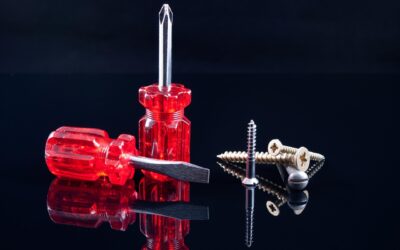
Most residential models fit a standard 2-1/8 inch cross bore and 1 inch edge bore, which is the same prep used by ordinary knobs and deadbolts. Tools you will need: a screwdriver, a tape measure, a drill with bits, and possibly a chisel if the latch plate is a different size.
- Remove the old hardware. Unscrew the inside trim, pull out both halves, then remove the latch or bolt from the door edge.
- Check the holes. Measure backset and bore diameter. Use the paper template that came with the lock to mark any extra holes for through-bolts or anti-rotation pins.
- Install the latch or bolt. Slide it into the edge bore, make sure the beveled side faces the strike, and secure it with screws.
- Mount the outside unit. Feed the spindle or tailpiece through the latch, keeping the push buttons upright and level.
- Mount the inside unit. Align the inside trim, insert the through-bolts and tighten evenly. Overtightening can bind the mechanism.
- Install the strike. Use 3 inch screws on exterior doors so they bite into the wall framing, not just the jamb.
- Set and test the code. Follow the code change instructions with the door open, then test 5 to 10 times before closing the door.
Troubleshooting
The correct code does not open the lock. Press clear first and try again slowly. Make sure you are pressing each button fully. If it still fails, the code may have been set incorrectly during the last change.
Buttons feel sticky. Dirt, dust or ice can bind buttons. A dry graphite or lock-specific lubricant (not oil, which attracts grit) usually frees them.
The lock opens with any code. The combination chamber may be in passage mode or a tumbler may be damaged. Check the mode setting first, then contact the manufacturer for a replacement chamber if needed.
The bolt drags. The strike is likely misaligned. Mark the bolt with a crayon, close the door and adjust the strike plate or enlarge the strike hole slightly.
Cost and Comparison With Electronic Keypads
Residential mechanical push-button locks commonly run from about $50 to $200, while heavy-duty commercial Grade 1 models can cost several hundred dollars. Electronic keypads sit in a similar range but bring features such as many user codes, temporary codes and access logs. A mechanical unit gives up those features in exchange for zero batteries and long service life. For a garage entry, workshop or rental with a single shared code, a mechanical combination door lock is often the simpler and more reliable choice.
When to Call a Locksmith
Call a licensed locksmith if the door needs new bores, if you are fitting a lock to a metal or fire-rated door, or if the combination chamber needs repair. Fire-rated doors must keep their listed hardware, and changes to them should be made by someone who knows the requirements. A locksmith can also rekey an override cylinder to match your other keys.
Frequently Asked Questions
Do mechanical combination locks need batteries?
No. They are fully mechanical, so they keep working in power outages and in very hot or cold weather.
Are push-button combination locks secure?
A well-built Grade 1 or Grade 2 model is solid for most homes and small businesses. Change the code regularly, and add a deadbolt function or separate deadbolt on exterior doors.
How often should I change the code?
Change it whenever someone who knew the code no longer needs access, such as after tenants move out or staff changes. Many owners also change it every few months as routine.
Can I install a combination lock on my existing door?
Usually yes. Most residential models fit standard door prep with a 2-1/8 inch bore. Check the backset and door thickness first.
Do button presses have to be in order?
On many mechanical designs, order does not matter and each button is used once. Some models allow ordered or paired presses, so check the instructions for your lock.