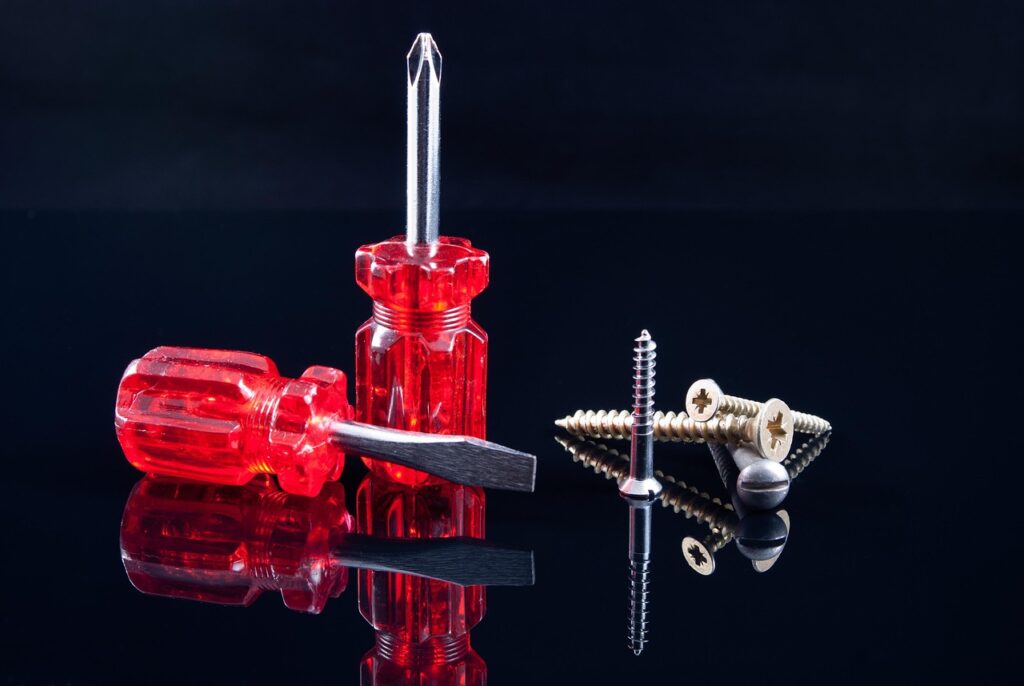
A wobbly, outdated, or broken door knob is one of the simplest home repairs you can make, yet plenty of homeowners put it off for months assuming it requires a locksmith. In reality, knowing how to replace a door knob is a 15-minute job with nothing more than a screwdriver. Whether you are upgrading a builder-grade interior knob, replacing a worn exterior lockset, or swapping a deadbolt, the process follows the same basic steps with minor variations for each type.
Part of our Windows & Doors guide — explore the full guide →
Choosing the Right Replacement Knob
Door knobs are not universal, so take three measurements before shopping. First, check the backset — the distance from the edge of the door to the center of the knob hole. Standard backsets are either 2-3/8 inches or 2-3/4 inches. Most replacement knobs are adjustable to fit both.
Second, measure the door thickness. Interior doors are typically 1-3/8 inches thick, while exterior doors are 1-3/4 inches. Exterior-rated knobs accommodate both, but a knob designed only for interior use may not fit a thick exterior door.
Third, note the bore hole diameter — the large hole through the face of the door. The industry standard is 2-1/8 inches. Older homes occasionally have smaller holes that need reaming with a hole saw to accept modern hardware.
Removing the Old Interior Door Knob
Most interior knobs use one of two attachment methods. Look for visible screws on the interior rose plate (the round trim piece against the door). If you see two Phillips screws, simply remove them, pull both knob halves apart, and unscrew the latch from the door edge.
If there are no visible screws, the knob uses a spring-clip or detent release. Look for a small slot or pinhole on the neck of the knob. Insert a flathead screwdriver or the pointed end of the release tool included with most new knob sets, press inward, and pull the knob straight off. Then pry off the rose plate — it typically snaps over a mounting plate secured by two screws. Remove those screws and the mounting plate comes free.
Removing an Exterior Knob or Deadbolt
Exterior locksets usually have two visible screws on the interior escutcheon plate. Remove them and pull the interior assembly straight out, followed by the exterior assembly. The latch or bolt mechanism unscrews from the door edge with two screws.
Deadbolts follow the same pattern. Two screws on the interior thumb-turn plate hold the entire assembly together. Remove them, pull both sides apart, and unscrew the bolt from the edge of the door. Keep the old strike plate in place on the jamb unless the new one is a different size.
Installing the New Door Knob Step by Step
Start with the latch. Insert it into the edge bore with the angled face of the latch bolt pointing toward the door’s closing direction (toward the strike plate on the jamb). Secure it with the two provided screws. Make sure the latch operates smoothly — push it in with your thumb and release. It should snap back firmly.
For knobs with a mounting plate, position the plate over the bore hole on the interior side and fasten it with the two screws. Align it so the screw holes are vertical. Slide the exterior knob through the bore, engaging the latch tailpiece with the square spindle hole in the latch mechanism. Press the interior knob onto the mounting plate until it clicks or align the screw holes and fasten.
Test the knob from both sides before tightening everything fully. The latch should retract completely when you turn the knob and spring back when released. If it binds, the latch may be slightly misaligned with the tailpiece — loosen the mounting screws, reposition, and retighten.
Aligning the Strike Plate
Close the door and check whether the latch engages the strike plate cleanly. If the latch hits above or below the strike plate opening, you have two options. Minor misalignment (less than 1/8 inch) can be fixed by filing the strike plate opening with a metal file. Larger misalignment requires repositioning the strike plate — unscrew it, chisel the mortise to the correct position, and reinstall.
For deadbolts, the bolt must slide fully into the strike plate with no resistance when the door is closed. If it catches or requires force to lock, the bolt and strike are out of alignment. Adjust the strike plate position or deepen the bore in the jamb with a spade bit until the bolt throws smoothly.
Upgrading to a Smart Lock or Keypad
Smart locks and keypad deadbolts use the same standard bore holes and backset dimensions as traditional hardware, so they are a direct replacement in most cases. Brands like Schlage Encode ($200-$250) and Kwikset Halo ($150-$200) fit standard prep without any drilling modifications.
The installation process is identical to a standard deadbolt with one extra step: connecting the battery pack and programming the lock through the manufacturer’s app. Most smart locks use 4 AA batteries that last 6-12 months. Keep a physical key as backup — electronic locks can and do malfunction, especially in extreme cold below 0 degrees F.
Common Problems and Fixes
- Knob is loose after installation — the mounting screws are not fully tightened, or the knob halves are not seated flush against the door faces. Disassemble and reassemble with firm, even screw pressure
- Latch does not retract — the tailpiece is not engaging the latch mechanism. Pull the knob off and verify the spindle or tailpiece passes through the latch correctly
- Door will not latch closed — the strike plate hole does not align with the latch. File the strike plate or reposition it as described above
- New knob does not fit the door — bore hole is non-standard size. A 2-1/8-inch hole saw expands undersized holes in about 30 seconds
- Screws strip in old screw holes — fill the holes with wooden toothpicks and wood glue, let dry 30 minutes, then redrive the screws into the reinforced holes
When to Call a Locksmith
Standard knob and deadbolt replacement is a DIY job. But rekeying a lock to match your existing key, installing a mortise lock on a vintage door, or cutting a new bore hole in a door that was never prepped for hardware — those tasks benefit from professional help. Locksmiths charge $50-$100 for a service call plus $15-$30 per lock for rekeying, which is reasonable considering the precision involved.