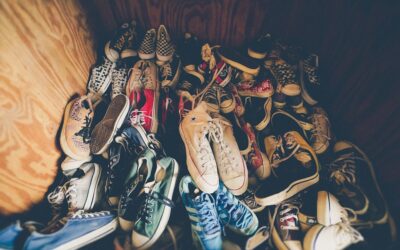
A pile of shoes by the door doesn’t just look messy — it tracks grit across your floors and shortens the life of every finish underfoot. A compact shoe organizer solves both problems by getting footwear off the floor and into a footprint smaller than a doormat. The trick is choosing a style that fits your actual square footage and shoe count, because the wrong organizer either overflows in a month or eats the entryway it was meant to free up. Here’s how to pick the right one.
Measure Before You Buy
Start with two numbers: the floor or wall space you can spare, and how many pairs you need to store. A typical adult shoe takes about 4 to 5 inches of width and 11 to 13 inches of depth. Boots and high-tops need taller cubbies. Sketch the spot — behind a door, under a bench, inside a closet — and match the organizer’s dimensions to it before ordering. The most common mistake is buying for today’s shoe count with no margin for the pairs that always appear later.
The Best Compact Organizer Styles
Over-the-Door Organizers
The ultimate space-saver because they use zero floor space. A pocketed fabric panel or a wire rack hooks over a standard door and holds 12 to 24 pairs. Best for flats, sneakers, and sandals; bulky boots don’t fit the pockets well. Expect $15 to $30.
Stackable Cube and Rack Systems
Modular cubes or tiered metal racks let you build vertically in a narrow column. A two-foot-wide tower can hold 12 to 20 pairs while occupying barely more floor than a single shoebox. Look for stackable units so you can grow the system later.
Under-Bed and Bench Storage
Flat under-bed boxes with dividers reclaim dead space and keep off-season shoes out of sight. An entryway storage bench does double duty — a seat for putting shoes on plus hidden cubbies underneath. These are the cleanest looking options for a small entry.
Material Choices That Last
- Metal wire racks — durable, breathable, easy to wipe; can scratch floors without feet
- Fabric pockets — cheapest and most flexible; sag over time with heavy shoes
- Molded plastic cubes — wipeable and stackable; mid-range durability
- Bamboo or wood — best looking and sturdiest; the priciest at $40 to $100
Organizers for Specific Spaces
The best style depends heavily on where you’ll put it. A few common scenarios and what works:
- Narrow apartment entryway: a tall, slim stackable tower or an over-the-door rack — both go vertical and leave the walkway clear
- Reach-in closet floor: stackable cubes or an angled rack that uses the full closet height
- Mudroom with kids: open cubbies or a bench with baskets that kids can actually use without folding clothes or zipping pockets
- Under a console table: a low two-tier rack that tucks completely out of sight
Matching the organizer to the spot it lives in matters more than the raw pair count, because a unit that doesn’t fit the space ends up half-used or pushed into a corner.
Protecting Your Floors
Wet shoes are a quiet menace to entryway flooring — pooled water seeps into hardwood seams and dulls finishes. A compact organizer with a drip tray or a slatted bottom shelf lets shoes dry without leaving puddles on the floor. If your organizer sits on hardwood or LVP, add felt pads under the feet to prevent scratches when you slide it for cleaning.
Maximizing a Tiny Footprint
- Go vertical — stack upward instead of spreading across the floor
- Use the back of the door for everyday shoes you grab in a hurry
- Rotate seasonally — store off-season pairs under the bed to halve what’s on display
- Angle the shelves — slanted racks fit more pairs per inch of height
Keeping the Entryway Clean
An organizer only helps if the area around it stays clean, and shoes are the main way dirt and grit enter a home — tracked-in particles act like sandpaper on floor finishes. Pair your organizer with a coarse outdoor mat to knock off debris and an absorbent indoor mat to catch moisture. Establishing a no-shoes-past-here zone right at the organizer keeps the rest of your floors noticeably cleaner and extends the life of hardwood and LVP finishes. Wipe down or shake out the drip tray weekly so trapped grit and salt don’t sit against the organizer’s base.
Budget Expectations
You can solve most shoe clutter without spending much. Over-the-door racks and basic fabric units start around $15 to $30. Stackable plastic cubes and metal tiered racks run $25 to $60 depending on capacity. A wood or bamboo bench with storage, or a quality hardwood rack, lands in the $50 to $120 range and looks like furniture rather than a utility item. For most homes, a mid-tier stackable system around $40 hits the sweet spot of capacity, durability, and appearance.
Choosing the Right One for Your Home
For a renter with a tiny entry, an over-the-door rack delivers the most storage for the least money and leaves no marks. For a family with kids and seasonal boots, a stackable cube tower plus a bench gives flexible, growable capacity. And for anyone short on closet space, flat under-bed boxes quietly absorb the overflow. Measure first, plan for more pairs than you own today, and pick a drip-friendly design — that combination keeps the entry tidy and your floors protected.