The patio, balcony, and rooftop deck market has shifted away from pressure-treated lumber faster than any other outdoor category in the last 15 years. Composite outdoor flooring now includes capped wood-plastic boards from Trex and TimberTech, PVC planks from Azek, mineral-filled cores from Deckorators, and snap-down interlocking tiles for rental applications. Each carries different price points, lifespan claims, and install methods that homeowners should understand before pulling a permit.
Part of our Windows & Doors guide — explore the full guide →
- What Composite Decking Actually Contains
- Major Brands Compared
- Snap-Down Tile Options for Renters
- Installation Method for Decking
- Heat Absorption and Color Choice
- Drainage and Substrate Prep
- Cost Comparison vs Alternatives
- Maintenance Reality
- Warranty Coverage Reality
- Hidden Costs to Plan For
- Choosing the Right Composite for Your Project
What Composite Decking Actually Contains
Original first-generation composites from the 1990s were uncapped wood-plastic mixtures that mildewed and faded within five years. Modern capped composites bond a polymer shell around a wood-plastic core, eliminating direct moisture contact with the wood fibers. The result is a 25-year stain and fade warranty on premium lines and a service life that often exceeds 30 years in real-world conditions.
PVC products from Azek and Deckorators contain no wood at all, using cellular foam cores wrapped in a hard cap. They cost more upfront but resist heat absorption and weight better than wood composites.
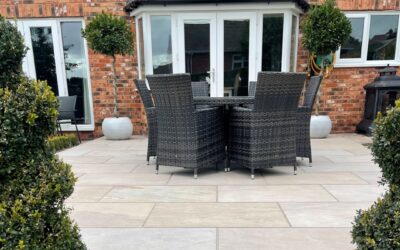
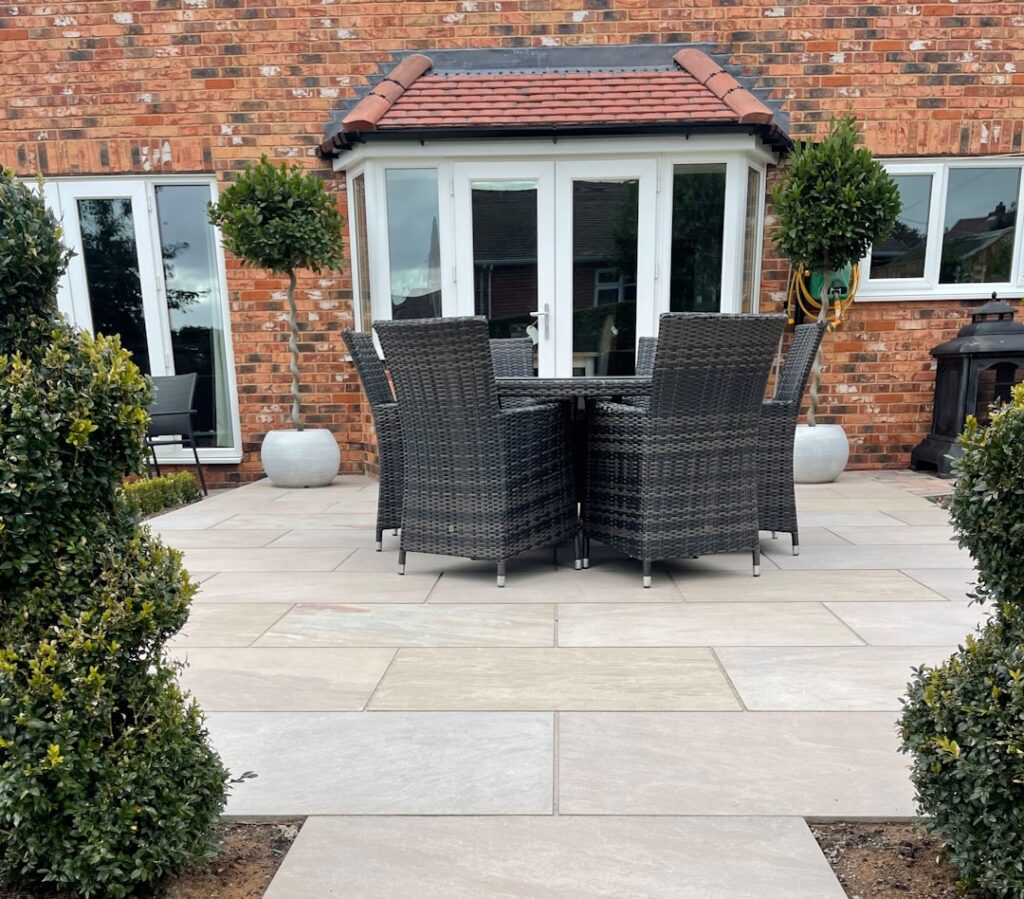
Once your patio flooring is in place, think about how you’ll use the space. A gazebo adds shade and structure, while a good outdoor furniture set turns it into a spot you’ll actually want to hang out in. A deck box is also worth considering if you need somewhere to stash cushions and outdoor gear.
We may earn a commission when you purchase through our links.
Major Brands Compared
- Trex Enhance Basics: $2.50 to $3.50 per linear foot, 25-year fade warranty, mid-grade option
- Trex Transcend: $5 to $7 per linear foot, premium multi-tonal finishes
- TimberTech AZEK Vintage: $7 to $10 per linear foot, full PVC, marine-grade
- Deckorators Voyage: $6 to $8 per linear foot, mineral-based composite, lightest weight
- Fiberon Concordia: $4 to $6 per linear foot, mid-tier capped composite
Pricing reflects 12-foot board lengths. Installed costs typically add $8 to $15 per square foot of deck surface, more for second-story or complex framing.
Snap-Down Tile Options for Renters
For balconies, rooftop terraces, and rental units where deck modifications are not allowed, interlocking tiles from Newtechwood, Yes4All, and IKEA Runnen drop directly onto existing concrete or wood substrates. Tiles run 12-by-12 inches with a hidden polypropylene base that lifts the surface 3/4 inch above the substrate for drainage. Pricing sits at $4 to $9 per square foot, install takes a few hours with no tools beyond a rubber mallet, and the tiles lift off in minutes for cleaning underneath.
Installation Method for Decking
Capped composite boards install over pressure-treated 2×8 or 2×10 joists at 16 inches on center for standard residential use, 12 inches on center for diagonal or herringbone patterns. Use hidden fastener systems like Camo Edge, Cortex plugs, or the brand’s proprietary clip such as Trex Hideaway or TimberTech Concealoc. Hidden fasteners run $1 to $2 per square foot in material on top of the boards.
Allow 3/16-inch gaps between board ends and 1/8 inch between board sides for thermal expansion. Pre-drill near board ends to prevent mushrooming during fastener install.
Heat Absorption and Color Choice
The biggest user complaint about composite decking is summer heat. Dark colors like espresso and slate can reach 150 to 170 degrees in direct sun, hot enough to burn bare feet. Lighter shades like sand, driftwood, and silver gray stay 20 to 35 degrees cooler. Deckorators Voyage and TimberTech AZEK both publish surface temperature data and rank among the coolest options.
Drainage and Substrate Prep
Composite boards do not breathe like cedar or redwood. Trapped moisture under the deck encourages mold growth on framing lumber, so install proper joist tape like Trex Protect or Grace Vycor on top of every joist before board installation. Pitch the deck surface a minimum of 1/8 inch per foot away from the structure, and provide at least 18 inches of ventilation clearance under the framing.
Cost Comparison vs Alternatives
- Pressure-treated pine: $3 to $6 per square foot installed, 10-15 year life
- Cedar or redwood: $7 to $11 per square foot installed, 15-25 year life with annual sealing
- Composite capped: $10 to $18 per square foot installed, 25-35 year life
- PVC decking: $14 to $24 per square foot installed, 30-50 year life
- Brazilian ipe hardwood: $20 to $32 per square foot installed, 40-plus year life
Maintenance Reality
Composite flooring is low-maintenance, not no-maintenance. Wash twice yearly with a soft-bristle brush, mild dish soap, and a garden hose. Pressure washing under 1,500 psi at 12-inch standoff is acceptable for most brands but voids warranty on some, so check the technical data sheet first. Tannin stains from oak leaves and red wine spills need prompt cleanup. A composite deck brightener product like Olympic Deck Brightener or Defy Composite Deck Cleaner restores color when general washing fails.
Warranty Coverage Reality
Premium composite manufacturers advertise 25-year and 50-year warranties but the fine print matters. Most warranties cover only material defects and fading beyond specific Delta-E color shift values, not labor for replacement. Trex Transcend and TimberTech AZEK both cover stain and fade for 25 years but require photo evidence and material samples for any claim. Save the original carton labels with lot numbers and a few board cutoffs for the warranty period. Without documentation, warranty claims rarely succeed.
Hidden Costs to Plan For
The board surface is just one budget line. Stairs add $90 to $180 per linear foot of run. Composite railings from the same brand cost $30 to $80 per linear foot including posts. Lighting integration runs $25 to $60 per fixture installed. Permit fees vary widely but often add $250 to $1,200 on a structural deck project. Add roughly 15 to 25 percent to the basic deck board math to land at a realistic total project budget.
Choosing the Right Composite for Your Project
Match the product to climate and budget. Coastal homes facing salt air should choose PVC over wood-plastic composite for better corrosion resistance on fasteners. Northern climates with freeze-thaw cycles do well with mineral-filled composites that resist water absorption. Sunbelt locations benefit from lighter colors and ventilated substructure designs. Pull samples from at least three brands, leave them on the actual jobsite for two weeks in summer heat and rain, and observe how each behaves before signing the contract.
Prefer to explore on your own?
See how new flooring looks in your actual room in seconds — free, no signup.
Try the free Floor Studio →