Concrete as a finished interior floor has gone from industrial necessity to design statement over the past 20 years. Architects spec it for modern homes, restaurants pour it in dining rooms, and homeowners increasingly choose it over hardwood or tile in basements and main floors. The reality of concrete flooring pros and cons is more nuanced than glossy magazine shoots suggest. Polished concrete is genuinely one of the most durable surfaces available, but the comfort and acoustic tradeoffs are significant enough that many people regret the choice after living with it for a year.
What Polished Concrete Actually Is
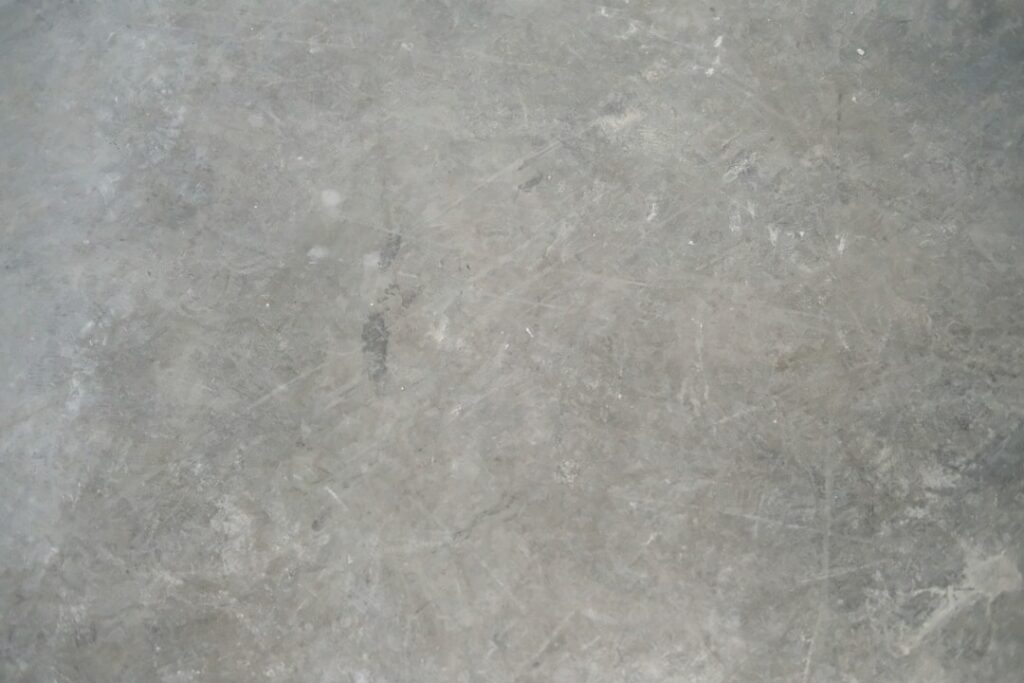
Polished concrete is not the same thing as the rough slab under your garage. The process involves grinding the surface with progressively finer diamond abrasives, from 40-grit through 3000-grit, with chemical densifiers applied between grit changes. The result is a hard, dense, slightly reflective surface that can range from matte to mirror finish.
For new construction, the slab is poured with a specific high-cement content mix and cured for at least 28 days before polishing. For existing slabs, the surface is ground, repaired with crack filler, and polished in place. Both approaches produce comparable results when done by skilled installers.
The Real Pros
Concrete brings genuine advantages over alternative floors:
- Extreme durability — a properly sealed concrete floor lasts 50 to 100 years with no replacement
- Low maintenance — daily care is dust mopping; periodic damp mopping with neutral cleaner
- Cost-competitive — $3 to $12 per square foot for polished concrete versus $8 to $20 for hardwood
- Compatible with radiant heat — the slab itself becomes the heat distribution system
- Thermal mass moderates indoor temperature swings, reducing HVAC load
- Allergen-friendly — no fibers or grout lines to trap dust mites or pet dander
- Customizable appearance — colors, stains, scoring patterns, and aggregate exposure offer design flexibility
The Real Cons
The downsides are equally important:
- Hard surface — every dropped glass shatters, every fall hurts more than on wood or carpet
- Cold underfoot in any climate without radiant heat
- Acoustic harshness — sound bounces off concrete, making rooms feel echoey
- Moisture sensitivity in basements without proper vapor management
- Cracking — slabs always develop hairline cracks over time, which read as defects to some homeowners
- Slippery when wet — high-polish finishes need anti-slip additives in bathrooms
- Repair limitations — surface damage from heavy impact is hard to repair invisibly
Cost Breakdown by Finish Level
Pricing varies dramatically based on the finish quality:
- Basic grind and seal — $3 to $5 per square foot
- Polished concrete (400-grit finish) — $5 to $8 per square foot
- Polished concrete with stain — $7 to $10 per square foot
- High-polish (3000-grit mirror) — $9 to $13 per square foot
- Decorative aggregate exposed with stain — $10 to $15 per square foot
A 1,500-square-foot main floor polished concrete installation runs $9,000 to $15,000 for typical mid-tier work.
Comfort Solutions
The hardness and coldness can be mitigated. Area rugs in living and sleeping areas soften both acoustic and thermal contact points. Anti-fatigue mats in kitchens reduce leg strain during long cooking sessions. Slippers or rubber-soled shoes become standard household wear.
Radiant heat under the slab transforms the comfort experience. Hydronic systems running 90 to 110 degrees Fahrenheit warm the floor to a comfortable 75 to 80 degrees at the surface. The thermal mass holds heat for 8 to 12 hours after the system cycles off, which actually reduces energy use over a winter season.
Best Rooms for Concrete
Concrete works best in specific applications:
- Basements — the slab is already there, polishing avoids moisture issues from added flooring
- Kitchens — easy to clean spills, durable against dropped cookware
- Sunrooms — UV-stable, handles temperature swings, thermal mass moderates extremes
- Mudrooms and entries — handles tracked-in moisture and grit without showing wear
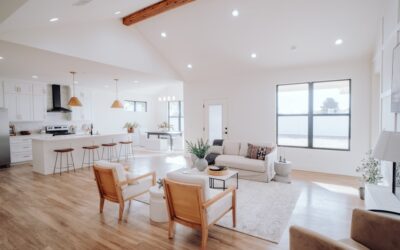
- Open-plan main floors in modern homes where the aesthetic suits the architecture
Avoid concrete in bedrooms where comfort matters and in formal dining rooms where the acoustic harshness disrupts conversation.
Maintenance Reality
Polished concrete is genuinely low-maintenance but not no-maintenance. Daily dust mopping or vacuuming removes grit that wears the sealer. Weekly damp mopping with a pH-neutral cleaner like Prosoco First Strike or Ardex Henry FA77 maintains the finish. Avoid acidic cleaners (vinegar, citrus), which etch the surface, and alkaline cleaners (bleach, ammonia), which strip the sealer.
Resealing or topical polish refresh runs every 5 to 10 years depending on traffic. Cost is $1 to $2 per square foot when done by a professional. Penetrating densifier sealers like Ashford Formula last 20-plus years before refresh is needed.
Crack Management
Concrete cracks. Even properly cured and saw-cut slabs develop hairline shrinkage cracks within the first two years. Decorative concrete embraces this. Skilled installers fill cracks with semi-rigid epoxy filler tinted to match the surrounding floor, then polish over the repair. The result is a subtle veining that reads as a natural part of the floor.
For homeowners who cannot tolerate any visible cracks, concrete is the wrong material. The cracks will appear no matter how careful the original pour.
Decorative Options
Beyond polishing, concrete accepts a wide range of decorative treatments:
- Acid staining creates rich, mottled earth tones that penetrate the surface
- Water-based dyes offer brighter, more uniform colors
- Score lines sawn into the surface create patterns mimicking tile or planks
- Stencil overlays apply printed designs in a thin cement layer
- Exposed aggregate grinds down to reveal decorative stones embedded in the mix
Long-Term Value
For real estate purposes, concrete is a mixed bag. In modern, urban, and loft-style homes it adds value. In traditional suburban homes it can be polarizing and may slow resale. Survey the neighborhood architecture before committing. If concrete fits the style of your local market, it is a value-add. If your neighborhood expects hardwood and tile, concrete may be the wrong design choice regardless of how well it performs.
The full picture of concrete flooring pros and cons favors specific homeowners in specific spaces. For the right combination, it is the longest-lasting, easiest-to-maintain floor available.