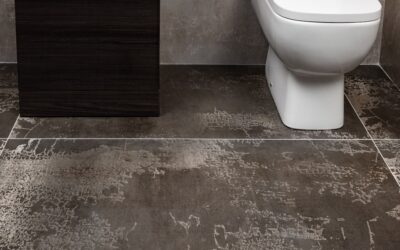
Concrete has shed its industrial-only image and become a serious choice for homes and businesses across the West Midlands. If you are weighing up concrete flooring in Wolverhampton, the local climate, with its damp winters and the region’s older housing stock, makes a few considerations especially important. This guide explains the main types of concrete floor, their pros and cons, what affects price in GBP, and how to evaluate an installer so you end up with a floor that performs in a Midlands setting.
Why Concrete Flooring Appeals
A well-finished concrete floor is hard-wearing, low-maintenance, and surprisingly versatile. Polished concrete suits open-plan kitchens and extensions, while resin and microcement finishes give a softer, more contemporary look. Because the surface is one continuous slab, there are no grout lines or board seams to collect dirt, which makes it easy to clean and a sound choice for allergy sufferers.
Concrete also pairs well with underfloor heating. The slab’s thermal mass holds and releases heat steadily, which can make a real difference in a draughty older Wolverhampton property over a long winter.
Types of Concrete Flooring
Not all concrete floors are the same, and the right one depends on whether you are working with an existing slab or pouring new.
- Polished concrete: an existing or new slab ground and sealed to a smooth, sometimes glossy finish. Durable and striking but only as good as the slab beneath.
- Poured/screeded concrete: a fresh layer poured over the substrate, ideal for new extensions and level changes.
- Microcement: a thin cement-based coating applied over existing floors, good where you cannot add slab height.
- Resin or epoxy over concrete: a seamless, colourful, highly durable topcoat popular in garages and utility spaces.
The Damp Factor in the West Midlands
This is the consideration that matters most locally. Wolverhampton’s damp climate and the prevalence of older homes mean moisture management is critical. Concrete is porous, and a slab laid without a proper damp-proof membrane (DPM) can wick ground moisture upward, leading to a permanently cold, damp surface and finish failure.
Before any decorative finish goes down, the slab should be tested for moisture and a DPM should be confirmed or installed. In a ground-floor room of a pre-war property, never assume an adequate membrane exists. A reputable installer will raise this before quoting, and you should be wary of any who skip it.
Pros and Cons
Concrete suits some situations far better than others, so weigh it honestly against alternatives.
- Pros: extremely durable, low maintenance, hygienic and seamless, excellent with underfloor heating, fully customisable in colour and finish.
- Cons: hard and cold underfoot without heating, can crack as it cures or with settlement, requires periodic resealing, and a polished finish depends entirely on slab quality.
Comfort is the most common complaint. Without underfloor heating or rugs, concrete feels cold, particularly through a Midlands winter, so factor heating into your plans rather than treating it as optional.
What Affects the Cost
Pricing varies with the type of finish, the condition of the existing slab, and the size and access of the room. As a guide, polishing an existing sound slab is usually cheaper than pouring and finishing a new one, while microcement and high-end resin systems sit at the premium end. Always get itemised quotes in GBP that separate slab preparation, any DPM work, the finish, and sealing.
Beware quotes that look unusually low; they often exclude essential damp-proofing or proper preparation, which are exactly the steps that determine whether the floor lasts. Get at least two or three written quotes and compare what is actually included, not just the headline figure.
How to Choose a Local Installer
The finish is only as good as the contractor, so vet them carefully rather than picking on price alone.
- Ask to see photos of completed local projects and, ideally, a sample of their polished or resin finish.
- Confirm they will moisture-test the slab and address any damp-proofing before finishing.
- Check they carry appropriate insurance and offer a clear workmanship guarantee.
- Read independent reviews and ask for references from recent customers in the area.
- Make sure the quote specifies the sealer and a maintenance schedule.
Maintenance and Longevity
A sealed concrete floor is easy to live with: sweep regularly and clean with a pH-neutral product, avoiding harsh acids that strip the sealer. Reseal polished and microcement floors periodically, typically every few years depending on traffic, to keep them stain-resistant and looking fresh. Address any hairline cracks early, as concrete naturally develops some over time and prompt sealing stops moisture getting in.
Underfloor Heating and Concrete
If there is one upgrade that transforms a concrete floor in a Midlands home, it is underfloor heating. Concrete’s high thermal mass makes it an ideal partner for warm-water or electric heating systems: the slab absorbs heat and radiates it gently across the room, which evens out temperatures and helps offset the natural coldness of the material. In a draughty older Wolverhampton property, that steady background warmth can noticeably improve comfort through a long winter.
Heating should be planned before the slab or finish goes down, since retrofitting into an existing floor usually means lifting it. Discuss it with your installer at the design stage so the system, insulation, and finish all work together. Pair underfloor heating with good insulation beneath the slab, otherwise you will be heating the ground as much as the room.
Concrete vs. Other Flooring
It helps to see where concrete sits against the alternatives before you commit.
- Vs. tile: concrete is seamless with no grout to clean, but tile offers more colour and pattern choice off the shelf.
- Vs. engineered wood: wood is warmer underfoot and easier to repair, while concrete is far more durable and moisture-tolerant once sealed.
- Vs. resin: resin gives a perfectly smooth, colourful finish but relies on a sound concrete base beneath it.
- Vs. laminate or vinyl: these are cheaper and softer but nowhere near as long-lived as a well-finished slab.
For high-traffic kitchens, extensions, and commercial spaces, concrete’s longevity often wins out; for cosy bedrooms, warmer materials may suit better.
Final Thoughts
Concrete flooring can be a smart, durable choice for Wolverhampton homes and businesses, provided you respect the local damp conditions and invest in proper slab preparation. Decide on the finish that suits your space, budget for underfloor heating or rugs to tackle the cold, and choose an installer who treats moisture testing as standard. Plan heating and insulation early, compare concrete honestly against the alternatives for each room, and a well-finished floor will outlast almost anything else you could lay.