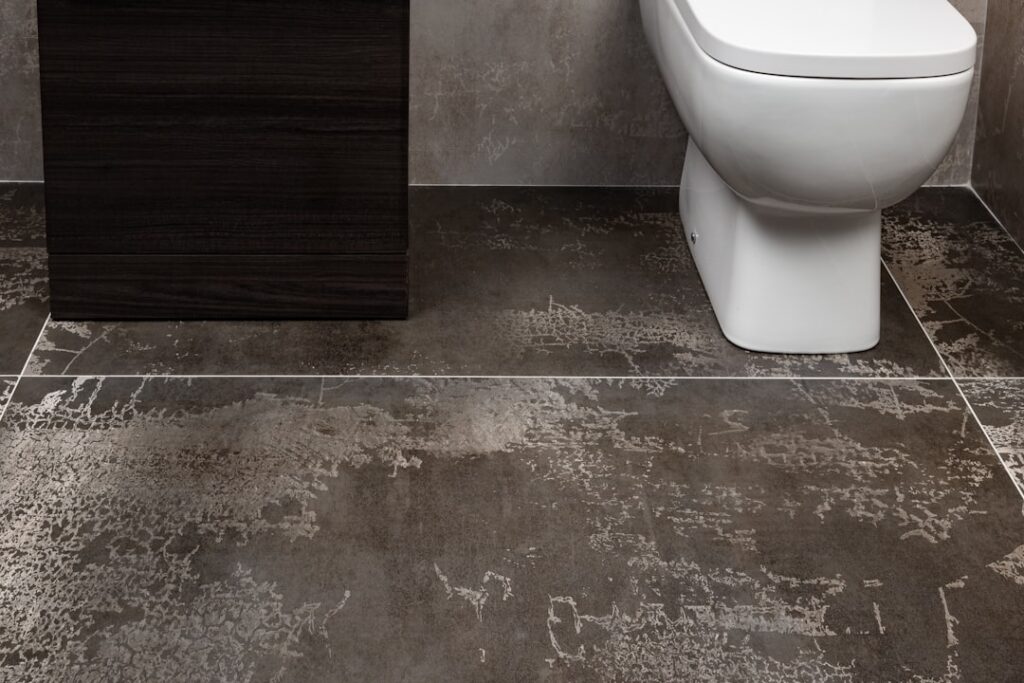
One of the most common misconceptions in flooring is the assumption that linoleum and vinyl are the same product, and that the bulletproof waterproof ratings on luxury vinyl plank apply equally to linoleum. They do not. Is linoleum waterproof is the question to answer before installing it in any wet area, and the honest answer is “water-resistant, but not waterproof.” Knowing the difference can save you from a $4,000 buckled kitchen floor a year after install.
- The Difference Between Linoleum and Vinyl
- Water Resistance Rating of Linoleum
- Where Linoleum Works Well
- Where Linoleum Fails
- Installation Affects Water Performance
- Comparison to LVP and Sheet Vinyl
- Caring for Linoleum to Maximize Water Resistance
- Common Misconceptions
- The Bottom Line
- Quick Decision Checklist
The Difference Between Linoleum and Vinyl
Linoleum is made from natural materials: linseed oil, pine rosin, cork dust, wood flour, ground limestone, and natural pigments, pressed onto a jute backing. Brands like Marmoleum by Forbo and Armstrong Marmorette are the main products on the US market. Vinyl, by contrast, is petroleum-based PVC.
That material difference drives the water performance gap. Linoleum’s jute backing absorbs water if exposed for long periods, and the linseed oil binder can swell. Sheet vinyl, LVP, and SPC have zero organic backing and are fully waterproof down to their seams.
Water Resistance Rating of Linoleum
Linoleum is classified as water-resistant, which the industry defines as tolerating spills and splashes for short periods (typically up to 24 hours) without permanent damage. That covers normal household incidents like a dropped glass of water, a pet accident, or condensation from a window.
Standing water for more than 24 hours, however, will saturate the jute backing, swell the linoleum, and cause edges and seams to curl or buckle. A washing machine overflow or a slow leak under a dishwasher will damage linoleum even if it would not faze a fully waterproof LVP installation.
Where Linoleum Works Well
Linoleum performs beautifully in spaces where occasional moisture is the worst-case scenario. Kitchens are a great fit if you respond to spills within an hour or two. Powder rooms, half baths, hallways, and home offices all work well.
- Kitchens (with prompt spill cleanup)
- Powder rooms and half baths
- Mudrooms with frequent traffic and occasional drips
- Bedrooms, living rooms, and dining rooms
- Healthcare and education facilities (its original use case)
Where Linoleum Fails
Three spaces are bad fits and should use fully waterproof flooring instead. Full bathrooms with showers or tubs experience steam, splash, and long-standing puddles around the tub apron. Laundry rooms see catastrophic water events when supply lines or drain hoses fail. Basements, especially those without sump pumps and water-management systems, face flooding risks that destroy organic-backed flooring.
For these spaces, switch to LVP from COREtec, Shaw Floorte, Mohawk SolidTech, or Mannington Adura Rigid. Each line uses a 100 percent waterproof core (typically SPC or WPC) with click-lock seams that hold up to spills.
Installation Affects Water Performance
Linoleum’s water resistance depends heavily on how it is installed. Sheet linoleum from Forbo Marmoleum comes in 79-inch wide rolls, which means most rooms have very few seams. Glued down with the manufacturer’s recommended adhesive (typically Forbo L 910 or 916) and heat-welded at seams with a 4mm welding cord, the floor becomes much more water-tolerant than click-together tile-format linoleum.
Marmoleum Click panels, which look like luxury vinyl planks but use natural linoleum surfaces, are less water-resistant than sheet linoleum because every seam is a potential water entry point. For wet areas, sheet format heat-welded is the only acceptable linoleum install.
Comparison to LVP and Sheet Vinyl
If water resistance is your top priority, here is how the major options compare on real-world wet performance:
- Sheet vinyl: fully waterproof, $2 to $5 per sq ft installed
- Luxury vinyl plank (LVP): fully waterproof, $4 to $9 per sq ft installed
- SPC rigid core: 100% waterproof, $5 to $9 per sq ft installed
- Linoleum (sheet, heat-welded): water-resistant, $5 to $9 per sq ft installed
- Linoleum (click-lock tiles): moderate water resistance, $5 to $8 per sq ft installed
- Tile (ceramic or porcelain): fully waterproof at face, grout joints vary, $8 to $15 per sq ft
Caring for Linoleum to Maximize Water Resistance
Annual maintenance protects linoleum’s natural resistance. Apply a fresh coat of Forbo Monel finish or Bona’s compatible product once a year to seal the surface and slow water penetration. Sweep daily, damp-mop weekly with a pH-neutral cleaner, and avoid letting water sit on the floor for more than 30 to 60 minutes.
Never use steam mops. The high heat softens linseed oil and damages the natural binder over months of repeated exposure. Stay below 110 degrees F for any cleaning method. Also skip vinegar and ammonia-based cleaners, which break down the linoleum surface chemically over time.
Common Misconceptions
The most common myth is “linoleum is the same as vinyl, just an older name.” Walk into any flooring conversation in the US and you will hear that mistake at least once. They are completely different materials with different performance characteristics. Vinyl is plastic. Linoleum is natural.
The second myth is “linoleum is outdated.” Modern Forbo Marmoleum comes in 300+ colors and patterns including marbled, solid, and concrete-look designs that look at home in contemporary kitchens. Linoleum is enjoying a quiet design revival, especially in eco-conscious renovations because it is 97 percent natural and 43 percent recycled content.
The Bottom Line
So is linoleum waterproof? No, it is water-resistant but not waterproof. For dry rooms and rooms with occasional spills, linoleum is a beautiful, durable, eco-friendly choice that lasts 25 to 40 years with proper care. For high-water-risk rooms like full bathrooms, laundries, and basements, choose a fully waterproof LVP or sheet vinyl product instead. Matching the material to the moisture exposure is what separates a flooring choice you love for decades from one that buckles inside the first year.
Quick Decision Checklist
Before signing the order, walk through these questions. Does the room ever flood or have standing water for more than 24 hours? Is the subfloor below grade? Will pets, kids, or appliances regularly create wet spots? If yes to any of those, choose a waterproof product instead of linoleum.
Is the room dry, climate-controlled, and used for normal household activities? Do you want eco-friendly, low-VOC materials? Are you willing to wipe up spills within a few hours? If yes, linoleum offers durability, natural materials, and a 25 to 40 year lifespan that few synthetics can match. The decision really comes down to how much moisture your specific room throws at the floor every week.