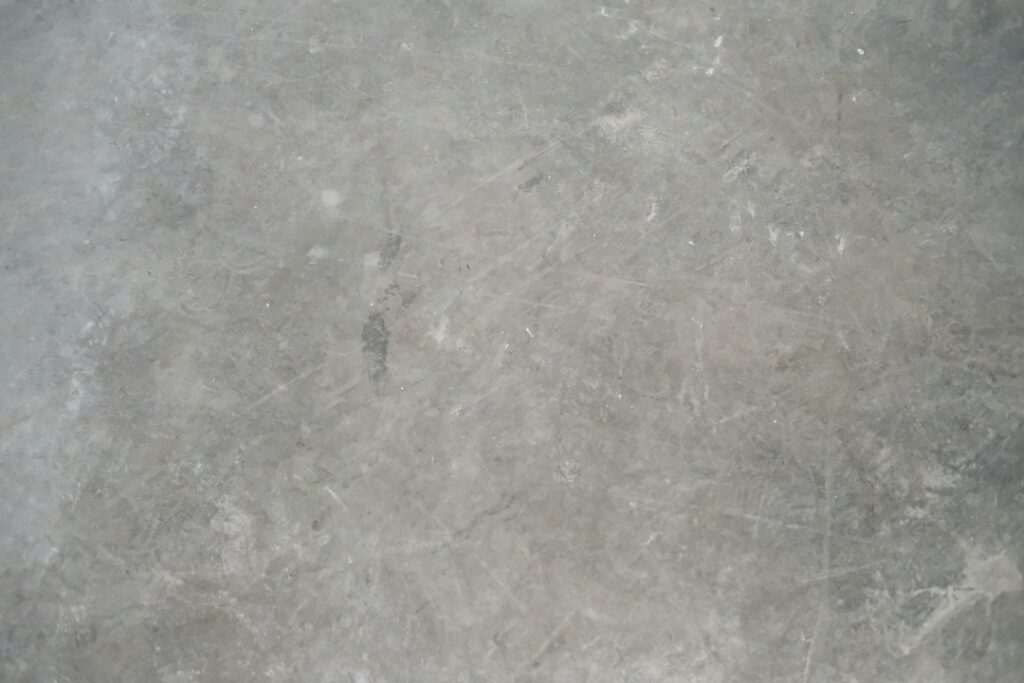
Concrete countertops occupy a strange spot in the market. They look high-end in design magazines, cost as much as quartz, and require maintenance closer to butcher block than to stone. Concrete kitchen counters work beautifully in the right kitchen, but only when the homeowner understands the upkeep and the fabricator delivers a properly mixed, sealed, and reinforced product. Done well they last 30+ years. Done badly they crack within two.
Part of our Kitchen Remodeling guide — explore the full guide →
What Concrete Counters Actually Cost
Pricing varies more than any other countertop material. Fabricator skill, mix design, and finish choices each move the number.
- DIY cast-in-place: $8 to $15 per sq ft in materials only. Plan on 60 to 80 hours of labor for a typical kitchen.
- DIY precast forms: $12 to $25 per sq ft, including melamine forms, mesh reinforcement, and sealers.
- Local custom fabricator: $70 to $135 per sq ft installed, including templating, casting, polishing, and installation.
- High-end design studios: $150 to $300 per sq ft, with custom embedded objects, integrated drainboards, and color matching.
Compare to quartz at $60 to $120 per sq ft installed and granite at $50 to $100 per sq ft, and concrete sits in the middle for pro work but offers DIY potential the stone options do not.
Why Mix Design Matters
Standard Quikrete from Home Depot is not the right product. Concrete countertop mixes use a specific blend of high-strength cement, fine sand, water reducers, fibers, and acrylic fortifiers. The wrong mix cracks during cure or wears prematurely.
Three professional-grade concrete countertop mixes:
- Buddy Rhodes Craftsman Mix: $90 per 50 lb bag, the original GFRC system, used by most pro fabricators.
- SureCrete Xtreme Series: $65 to $80 per bag, fast set, ready to seal in 7 days.
- Cheng Pro-Formula: $55 to $75 per bag, designer-friendly with broad color palette.
Each bag covers roughly 8 to 12 sq ft of countertop at 1-1/2 inch thickness. A 60 sq ft kitchen needs 6 to 8 bags plus reinforcement and color packs.
Reinforcement and Cracking
All concrete cracks. The question is whether the cracks are visible or hidden by reinforcement. Glass Fiber Reinforced Concrete (GFRC) mixes integrate alkali-resistant glass fibers throughout, which controls cracking at the micro scale and allows thinner pours of 3/4 to 1 inch.
Traditional reinforcement uses steel mesh (welded wire 6×6 W2.9xW2.9) cast at mid-thickness. Pencil rebar (1/4 inch steel rod) reinforces edges and overhangs. Counters longer than 8 feet need expansion control joints to prevent thermal cracking.
The fabricator’s reinforcement scheme determines whether the counters survive seasonal humidity swings. Ask any concrete fabricator about their cracking warranty and what triggers it. Reputable shops warranty against structural cracks for 5 to 10 years.
Sealers and Why They Matter
Sealed concrete resists stains. Unsealed concrete absorbs every spill within minutes. Three sealer categories cover residential needs.
Penetrating sealers like ChengSealer Sealer Plus or Buddy Rhodes Modern Penetrating Sealer soak into the concrete and leave a natural matte appearance. They resist water and oil but allow pH staining from acidic foods. Reapply every 2 to 3 years.
Topical sealers like Permathane 2K Polyurethane or Cheng V-Seal create a film over the surface. They resist almost all common stains and last 5 to 7 years, but they look like a coating, not raw concrete. Heat from hot pans above 350°F can soften them.
Hybrid epoxy systems like Concrete Counter Coat give the best stain resistance and durability, but the application is unforgiving. Most DIY projects fail at the topical sealer stage and the counters stain within a year.
Color and Finish Options
Integral color pigments mixed into the wet concrete produce the most permanent color. Davis Colors, Solomon Colors, and Buddy Rhodes Color Packs all offer 30+ shades. Pigment costs $20 to $40 per kitchen.
Finishes vary widely:
- Ground and polished: exposes aggregate, mottled appearance, requires diamond polishing equipment.
- Trowel-finished: smooth matte surface, hides minor flaws, most DIY-friendly.
- Hand-pressed (Buddy Rhodes method): rough, weathered look with deep texture, signature high-end appearance.
- Acid-stained: chemical reaction creates variegated color, applied after cure.
Durability vs Other Countertops
Concrete is hard, but not as hard as quartz or granite. Mohs hardness of finished concrete ranges 4 to 7 depending on aggregate and sealer. Quartz reads 7. Granite varies 6 to 7.5. That means concrete shows knife marks and scratches faster than either competitor.
Heat resistance is excellent. Concrete tolerates pans up to 400°F directly on the surface, though high heat can damage the sealer. Stain resistance depends entirely on the sealer. Cracking risk is higher than quartz but similar to granite.
Repairability is concrete’s strongest advantage. Small cracks can be filled with color-matched grout and resealed. Stains can be ground out and the area resealed. Quartz and granite damage typically requires slab replacement.
Daily Care That Keeps Them Looking Good
Wipe spills immediately, especially citrus, wine, vinegar, and tomato sauce. These acidic foods etch unsealed or under-sealed concrete within 30 minutes.
Clean with pH-neutral soap and water. Avoid Pine-Sol, Mr. Clean Multi-Surface, vinegar, lemon, or any cleaner with bleach. Use Method Daily Granite Cleaner or Black Diamond Stoneworks Granite Plus, both available at Target for $5 to $9.
Reseal on schedule. Most penetrating sealers need a fresh coat every 18 to 30 months. The fabricator should provide brand-specific instructions and ideally a touch-up kit.
When Concrete Is the Right Choice
Concrete kitchen counters belong in homes where the owners want a distinctive look and accept some maintenance. They photograph beautifully in industrial-modern, farmhouse, and Spanish-style kitchens. They allow integrated drainboards, embedded objects like fossils or sea glass, and curved or organic edges no stone can match.
Skip concrete for rental properties, flippers, families with small children, or anyone who wants set-and-forget durability. Choose quartz for those situations. For everyone else willing to put in some care, concrete delivers a one-of-a-kind kitchen surface that quartz simply cannot replicate.
Hiring the Right Fabricator
Local concrete countertop fabricators range from artists with national reputations to inexperienced contractors trying their first kitchen. Ask to see three completed kitchens at least two years old, ideally before sealing and after. Inquire about mix design, reinforcement strategy, and sealer warranty. A good fabricator answers all three in detail.
Concrete kitchen counters reward thoughtful homeowners and punish careless ones. Decide which you are before you commit.