The industrial, matte-gray concrete look has taken over modern kitchens, but real poured concrete is heavy, porous, and prone to hairline cracks. Concrete quartz countertops solve that problem by reproducing the soft, cloudy cement aesthetic in an engineered quartz surface that never needs sealing and never cracks from settling. If you love the raw, understated look of concrete but not the maintenance, this is the material that lets you have both. Here’s a complete breakdown of styles, costs, and care.
Part of our Countertops guide — explore the full guide →
What Concrete-Look Quartz Actually Is
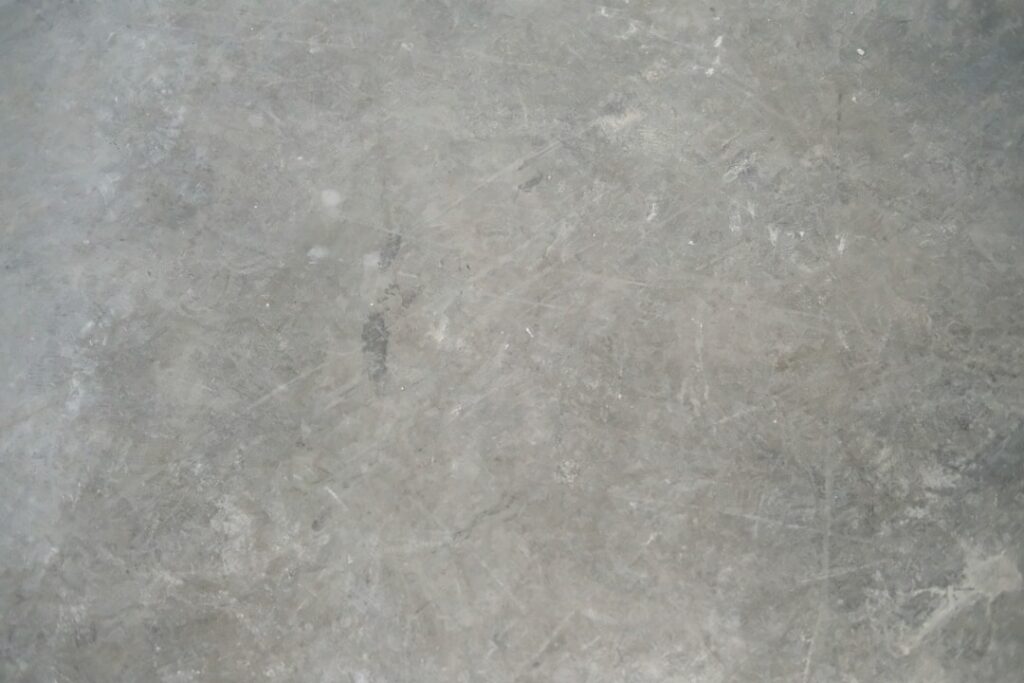
These slabs are standard engineered quartz — about 90 percent ground natural quartz bound with resin and pigment — printed and cast to mimic the mottled, matte texture of finished concrete. Instead of the veining you’d see in a marble-look quartz, concrete-look patterns feature subtle cloud-like variation, faint pinholes, and an even gray field. The result reads like polished cement from across the room but performs like the toughest countertop material on the market.
Many brands also offer these slabs in a honed or matte finish rather than high gloss, which reinforces the authentic concrete feel. That soft sheen is a big part of why the look works in modern, industrial, and minimalist kitchens alike.
Popular Concrete Quartz Patterns
Nearly every major manufacturer now makes a cement-inspired option. Well-known slabs include:
- Caesarstone Rugged Concrete, Fresh Concrete, and Sleek Concrete — the benchmark of the category, from warm to cool gray.
- Silestone Cemento and Loft series — matte, urban tones with fine texture.
- Cambria Vela and Bentley — softer, lighter concrete looks with subtle movement.
- MSI Concreto and Cemento — budget-friendly stocked options.
- LG Viatera and Corian Quartz cement tones — mid-range gray fields.
Shades range from a pale, almost-white cement to a deep charcoal, so you can match warm wood cabinets or push a stark black-and-gray palette. As always, view a full slab before ordering.
Concrete Quartz vs. Real Poured Concrete
The comparison to genuine concrete is where quartz makes its case. Weigh the differences:
- Sealing — Poured concrete is porous and needs sealing and waxing every few months. Concrete quartz is non-porous and never needs sealing.
- Cracking — Real concrete develops hairline cracks as it cures and as the house settles; some homeowners like the patina, many don’t. Quartz won’t crack from curing or settling.
- Stains — Concrete absorbs oil, wine, and citrus if the sealer fails. Quartz resists all of them.
- Weight and install — Poured concrete is extremely heavy and often cast in place. Quartz installs like any stone slab.
- Consistency — Concrete color varies batch to batch; quartz gives you a predictable, uniform look.
If you want the concrete look without the ongoing chores or the risk of cracks, concrete quartz countertops win in almost every practical category.
What They Cost
Concrete quartz countertops price the same as other engineered quartz — generally $50 to $120 per square foot installed, depending on brand and thickness. Budget lines from MSI start near $45 to $55 installed, while premium Caesarstone and Cambria concrete patterns reach $90 to $120. For a standard 40-square-foot kitchen, plan on $2,000 to $4,800 all-in.
Real poured concrete, by contrast, often costs $65 to $135 per square foot once you factor in custom formwork and finishing labor — and that’s before years of resealing. The quartz version usually comes out cheaper over the life of the counter. Budget extra for premium edges, sink cutouts ($100 to $250 each), and any waterfall panels.
Pros and Cons
No surface is perfect, so weigh the trade-offs before you commit:
- Pro: Achieves the trendy industrial-concrete look with none of the maintenance.
- Pro: Non-porous, so it’s hygienic, stain-resistant, and never needs sealing.
- Pro: Extremely durable — around 7 on the Mohs scale, highly scratch-resistant.
- Con: Heat-sensitive; the resin can scorch above roughly 300°F, so trivets are mandatory.
- Con: Matte concrete finishes can show fingerprints and require more frequent wiping than glossy quartz.
- Con: Not a true natural material, so purists who want authentic cast concrete won’t be satisfied.
Caring for Concrete Quartz
Daily care is refreshingly simple. Wipe with warm water, a soft cloth, and mild dish soap or a pH-neutral quartz cleaner. Because the surface is non-porous, spills of coffee, wine, and oil wipe away with no lasting stain and no annual sealing.
Protect the resin binder from heat by always using trivets and hot pads. Skip abrasive scrub pads and harsh chemicals — bleach, oven cleaner, and acetone can dull the finish over time. On matte concrete slabs, a microfiber cloth handles the fingerprints and water spots that show more readily than they would on glossy quartz. A glass-cleaner spritz on the honed surface keeps it looking crisp between deeper cleans.
Design Pairings That Work
The muted gray of concrete quartz is a backdrop, and it flatters warm materials especially well. Pair it with white oak or walnut cabinets to soften the industrial edge, or lean into the modern look with flat-panel gray cabinets and matte black hardware. In a minimalist kitchen, a full-height concrete quartz backsplash from counter to hood creates a seamless, monolithic wall that feels architectural.
Lighting matters more with a matte surface than a glossy one. Because concrete quartz doesn’t bounce light, add undercabinet LED strips to keep work zones bright. A warm 2700K to 3000K light temperature keeps the gray from reading cold and clinical, which is a common complaint in all-gray kitchens.
Edge Profiles and Thickness
Thickness shapes the concrete look. A 3-centimeter slab with a simple eased or straight edge reflects how real cast concrete is typically finished, so it’s the most authentic choice. For an even chunkier, more monolithic feel, a mitered edge builds the visible thickness to 2 or 4 inches — a favorite on modern islands.
Waterfall panels, where the surface pours down the sides of the island to the floor, exaggerate the poured-concrete illusion and make a strong design statement. Keep in mind that busier edges add cost: mitered and waterfall details can add $40 to $60 per linear foot and several hundred dollars to the total, so weigh the look against the budget.
Beyond the Kitchen
The concrete look isn’t limited to kitchen counters. In bathrooms, a concrete quartz vanity top delivers the same spa-like, minimalist feel while shrugging off toothpaste, cosmetics, and standing water that would stain porous cast concrete. It also works as a durable, waterproof shower bench or windowsill. Because the material is non-porous, it’s more hygienic than real concrete in wet, high-use areas — an advantage worth remembering when you’re planning a full remodel rather than a single counter.
Is Concrete Quartz Right for Your Kitchen?
Concrete quartz countertops are the sweet spot for anyone drawn to the modern, matte, cement aesthetic who doesn’t want to babysit a porous surface. You get the raw industrial look that pairs beautifully with wood, black hardware, and open shelving, plus the durability and zero-maintenance performance of engineered quartz. Choose a shade that flatters your cabinets, insist on a full-slab preview, use trivets religiously, and you’ll have a counter that captures the concrete trend while outlasting it.