COREtec helped invent the waterproof rigid-core flooring category, and its tile-look collections bring the look of stone and ceramic without the cold, grout, or cracking. COREtec tile flooring is a luxury vinyl tile (LVT) product from Shaw Industries built on a waterproof core, and it has become a go-to for kitchens, baths, and basements. This guide explains how the product is built, the real prices, the pros and cons, and how it stacks up against true ceramic tile.
Part of our Tile & Grout guide — explore the full guide →
What COREtec Tile Flooring Actually Is
Despite the name, COREtec tile is not ceramic, it is a multi-layer luxury vinyl tile engineered to mimic stone, marble, and porcelain visuals. The signature feature is the rigid core, typically an SPC (stone plastic composite) made from limestone and PVC that makes the planks dimensionally stable and 100 percent waterproof.
A typical COREtec tile build stacks several layers: an attached cork or foam underlayment on the bottom, the rigid SPC core, a high-definition printed design layer, and a protective wear layer on top. The cork backing on many lines adds warmth and sound dampening that plain LVT lacks, addressing the biggest complaint people have about vinyl, that it feels hard and cold.
The COREtec Product Lines
Shaw markets COREtec across several tiers, so you can match budget to performance. The lineup generally breaks down like this:
- COREtec Originals / COREtec Plus: The core everyday collections with cork-backed SPC and a range of wood and tile looks.
- COREtec Pro / Pro Plus: Geared toward higher-traffic and light commercial use with tougher wear layers.
- COREtec Premium / Grande: Wider, longer planks and larger tile formats with enhanced realism for upscale projects.
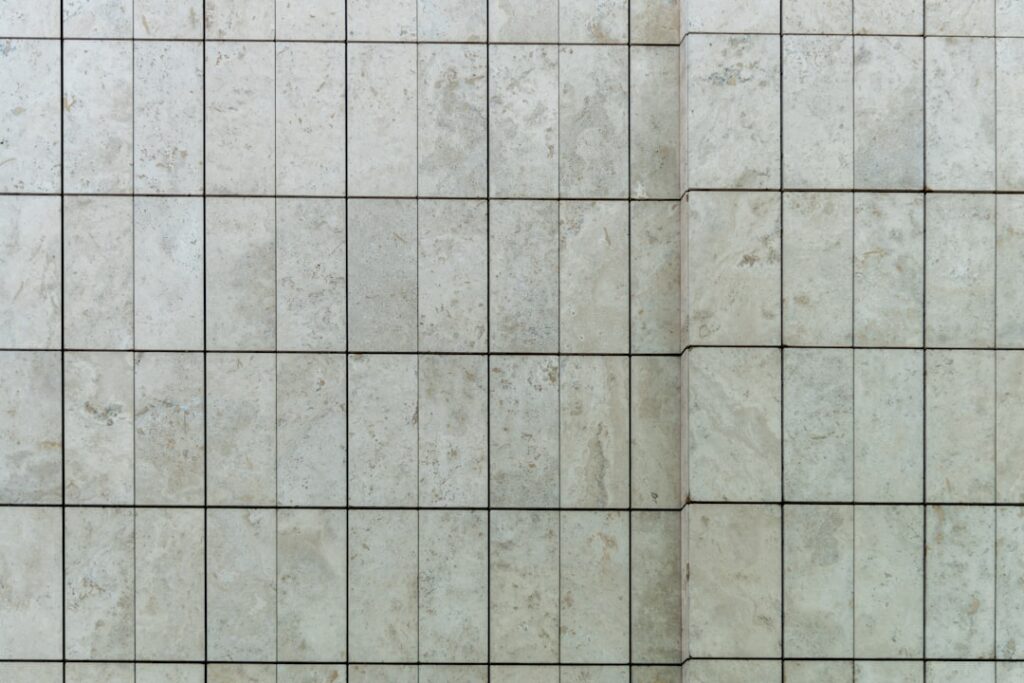
Within these, the tile-look SKUs replicate travertine, slate, marble, and concrete in square and rectangular formats, sometimes with grout-line embossing. Always confirm the specific collection’s wear layer and warranty, since they vary across tiers.
Wear Layers and Waterproof Core
The wear layer is the clear top coat that determines scratch and dent resistance, and it is the spec that matters most. COREtec wear layers commonly range from about 12 mil on residential lines up to 20 or 28 mil on heavier-duty collections. Thicker is tougher: 12 mil handles normal household traffic, while 20-mil-plus suits busy homes with pets and kids or light commercial settings.
The SPC core is genuinely waterproof, not just water-resistant. Standing water from a dishwasher leak or overflowing tub will not swell or buckle the planks, which is why COREtec is so popular in bathrooms, kitchens, mudrooms, and below-grade basements where solid hardwood or laminate would fail.
Real Pricing Per Square Foot
COREtec sits in the mid-to-upper range of the LVT market. Material costs typically run $3.50 to $7 per square foot, with premium wide-format and large-tile collections reaching $8 or more. Because it clicks together as a floating floor, installation labor is lower than ceramic, generally $1.50 to $4 per square foot if you hire a pro.
For a 300-square-foot kitchen, expect a total installed cost of roughly $1,500 to $3,300 depending on collection and labor. That lands well below natural stone or porcelain tile installed over a mortar bed, while delivering a similar high-end appearance.
Pros and Cons of COREtec Tile
COREtec earns its reputation, but it is not flawless. Weigh both sides:
- Pro: Fully waterproof core, safe in any wet room.
- Pro: Floating click-lock install, no mortar, grout, or long cure times.
- Pro: Attached cork/foam backing adds warmth, quiet, and comfort underfoot.
- Pro: Dimensionally stable, resists the temperature-driven expansion that plagues flexible LVT.
- Con: Costs more than entry-level vinyl plank.
- Con: It is still printed vinyl, a close inspection reveals it is not real stone.
- Con: Like all resilient flooring, sharp objects and unprotected furniture legs can gouge the wear layer.
Installation and How It Compares to Ceramic
COREtec installs as a floating floor over most existing hard surfaces, including tile, vinyl, and concrete, as long as the subfloor is flat within 3/16 inch over 10 feet. Leave a 1/4- to 3/8-inch expansion gap around the perimeter, click the planks together, and you can often finish a room in a day, no thinset, no 24-hour grout cure.
Against true ceramic or porcelain, COREtec wins on warmth, comfort, sound, and installation speed, and it will never crack from a dropped pan or a settling subfloor. Real tile wins on ultimate hardness, heat resistance, and authentic stone texture. For most homeowners who want the look of stone tile with waterproof peace of mind and an easier install, COREtec tile flooring is a smart, durable middle ground.
Maintenance and Daily Care
One of COREtec’s quiet advantages is how little upkeep it needs. There is no grout to scrub and reseal, the bane of real tile, so cleaning is as simple as sweeping or vacuuming, then damp-mopping with a pH-neutral vinyl floor cleaner. Avoid abrasive scrubbers, steam mops, and harsh chemicals, which can dull or damage the wear layer over time.
Protect the surface from the two things that harm any resilient floor: grit and sharp objects. Place walk-off mats at entries to catch sand and small stones, and stick felt pads under furniture legs. Lift heavy furniture rather than dragging it. Follow these basics and the wear layer stays clear and scratch-free, helping the floor live up to its long residential warranty.
Where COREtec Tile Makes the Most Sense
COREtec tile earns its place anywhere moisture, comfort, and easy installation matter. Kitchens benefit from its waterproof core and warmer feel than cold porcelain. Bathrooms and laundry rooms get a floor that shrugs off splashes and overflows. Basements, often too damp for hardwood or laminate, are ideal candidates because the rigid SPC core does not react to concrete moisture the way wood does.
It is also a strong choice for whole-home installations where you want a consistent look flowing from room to room without transitions at every doorway. If your priority is the absolute hardest, most heat-resistant surface, or you crave the authentic cool touch of real stone, traditional tile may still edge it out. But for the vast majority of busy households, COREtec delivers stone-look style, waterproof durability, and a far simpler installation, a combination that explains its enduring popularity.
Prefer to explore on your own?
See how new flooring looks in your actual room in seconds — free, no signup.
Try the free Floor Studio →