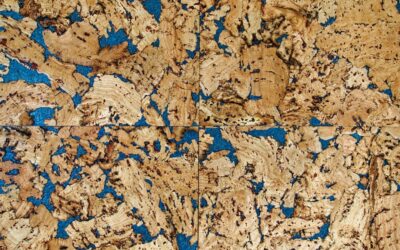
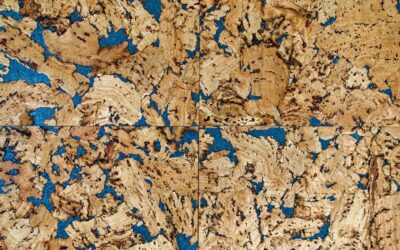
Walk into a 1970s rec room with original cork floors and your knees and back will notice within five minutes. The surface gives slightly underfoot, the room is quieter than rooms with hard floors, and the temperature reads warmer than tile or vinyl in the same conditions. Cork board flooring sat in the niche category for decades, then resurfaced as a serious modern option once manufacturers solved the early durability and finish issues. It still is not the right pick for every room, but where it fits, almost nothing else compares for comfort and sound.
What Cork Flooring Actually Is
Cork comes from the bark of cork oak trees, harvested every 9 to 12 years without killing the tree. The harvested bark is granulated, mixed with binders, and pressed into sheets or planks. Most modern flooring is constructed in three or four layers:
- Decorative cork veneer surface layer (2 to 4 mm)
- HDF or cork core for structural rigidity (6 to 8 mm)
- Cork backing for sound and thermal insulation (2 to 3 mm)
- Optional click-lock edge for floating installation
Total thickness usually runs 10 to 12 mm. Solid cork tile (glued down) is also available at 4 to 8 mm thick for traditional installation.
Cost Per Square Foot
Pricing depends on construction and brand:
- Glue-down cork tiles (entry level): $2 to $3.50 per sq ft
- Click-lock floating cork (mid-range, Wicanders, Amorim): $4 to $6 per sq ft
- Premium cork plank with engineered visuals: $6 to $9 per sq ft
- Pre-finished hand-applied finishes or designer collections: $9 to $14 per sq ft
Installation runs $2 to $4 per square foot for floating cork, $3 to $6 for glue-down. Add 15 to 25 percent for difficult substrates or detailed cuts.
Pros That Sell Homeowners on Cork
Comfort underfoot is the headline. Cork compresses 6 to 10 percent under load and rebounds, which dramatically reduces fatigue compared to tile, hardwood, or vinyl. Kitchens with cork floors are noticeably easier on the body during long cooking sessions, and home offices with cork are gentler on a chair-rolling routine.
Sound dampening is real. Independent acoustic testing puts modern cork at IIC ratings of 55 to 70 (impact insulation class), among the highest of any solid surface flooring. Footsteps and dropped items are quieter underfoot and to rooms below. This makes cork a strong pick for second-story spaces in townhomes and condos.
Thermal performance also matters. Cork has an R-value of about 0.6 to 0.8 per inch, roughly 4 times higher than tile or hardwood. Floors stay warmer in winter, particularly over slab subfloors.
Sustainability is a genuine selling point. Cork harvesting does not kill trees, and the cork industry has decades of FSC-certified supply. Most products carry FloorScore or Greenguard certifications for indoor air quality.
Cons and Honest Limits
Indentation is the biggest weakness. Heavy furniture, refrigerators, and rolling chairs with hard wheels leave permanent dents in cork, much more than in hardwood. Use wide felt or polyurethane floor protectors under all furniture legs and avoid hard-wheel office chairs entirely. Manufacturers explicitly exclude furniture indentation from most warranties.
Water resistance is moderate, not high. Modern cork with a polyurethane or aluminum oxide top coat handles spills and damp mopping fine, but standing water and prolonged moisture cause swelling, finish failure, and adhesive issues. Bathrooms and laundry rooms are not ideal applications without engineered click-lock and waterproof backing.
UV fading is real. Direct sunlight bleaches natural cork visibly within 12 to 24 months. Premium products with UV inhibitors slow this dramatically but do not eliminate it. South-facing rooms with large windows are not the best fit.
Sharp objects damage the surface. Pet claws, dropped knives in kitchens, and dragged furniture leave visible marks. Cork is more forgiving than hardwood at hiding small marks visually because the variegated grain camouflages them, but the damage is still there.
Where Cork Performs Best
Strong fit applications:
- Kitchens (with felt-protected appliances and quick spill cleanup)
- Home offices (with wheeled chair mats)
- Bedrooms and reading rooms
- Hobby rooms, music rooms, libraries
- Basements over slab (with proper moisture management)
- Second-story rooms where sound transmission matters
Weak or unsuitable applications:
- Bathrooms with bathtubs or showers
- Mudrooms with heavy boot traffic
- Sunrooms with long direct sun exposure
- Garages, exterior porches, or any unconditioned space
- High-traffic commercial settings without commercial-grade product
Installation Considerations
Floating click-lock cork installs over an underlayment with a 1/4 inch perimeter expansion gap, similar to laminate. Subfloor flatness must be within 3/16 inch in 10 feet to prevent click joints from working loose.
Glue-down cork tile requires a perfectly flat, dry, primed subfloor and a contact adhesive applied to both the cork and the floor. The bond is permanent. Tear-out 10 years from now will be expensive.
Cork should acclimate in the install space for 48 to 72 hours at 60 to 75 F and 35 to 65 percent humidity. Skipping acclimation causes seam gaps in heating season and edge swelling in summer.
Maintenance That Extends Life
Sweep or vacuum (no beater bar) weekly. Damp mop with a pH-neutral cork-safe cleaner monthly. Avoid water puddles, harsh detergents, and steam mops, all of which damage the finish or the cork itself.
Plan to recoat the polyurethane or wax finish every 5 to 7 years in residential use, more often in high-traffic areas. A recoat ($1.50 to $3 per sq ft) extends life dramatically and prevents wear from reaching the cork itself.
Is Cork Right for Your Project?
If you spend significant time on your feet, value sound dampening, or want a sustainable material with genuine comfort benefits, cork earns the spec. Choose click-lock with a quality top coat (polyurethane or ceramic-bead) for residential use, plan for furniture protectors, and accept the maintenance cycle. For homes with large pets, kids who roughhouse, or rooms with heavy direct sun, harder surfaces will outperform cork over the long term.
Prefer to explore on your own?
See how new flooring looks in your actual room in seconds — free, no signup.
Try the free Floor Studio →