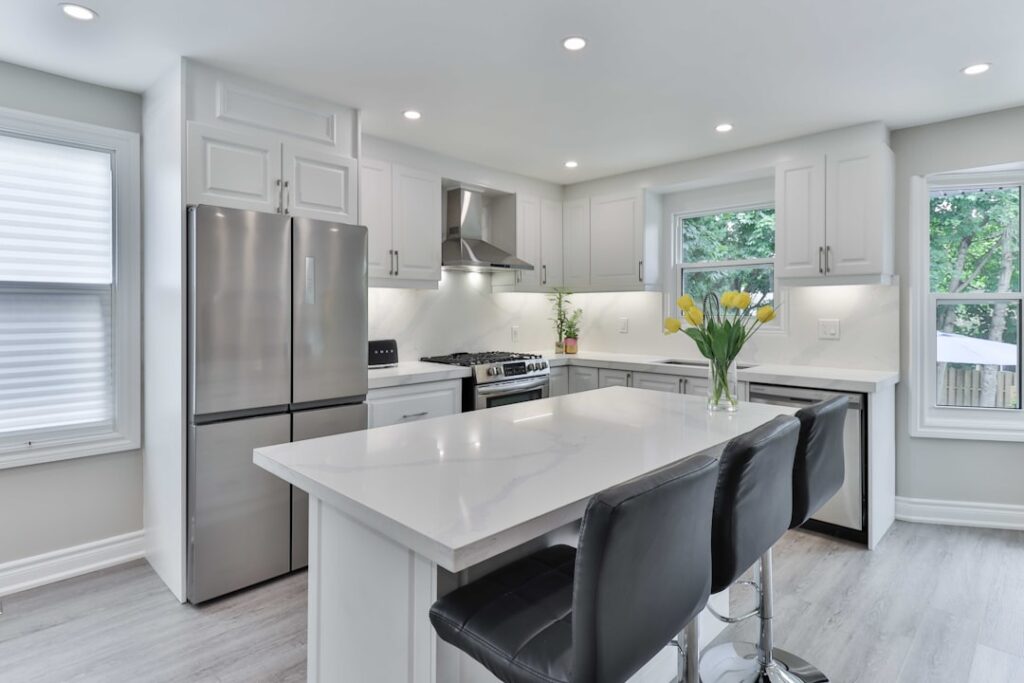
Choosing the right counter stools for kitchen island seating comes down to one number most shoppers get wrong: seat height. Buy a stool that is too tall or too short and it becomes uncomfortable no matter how beautiful it looks. This guide walks through the exact measurements, spacing, materials, and styles you need so your island seating is comfortable, correctly proportioned, and built to survive years of daily use.
- Counter Height vs. Bar Height: Know the Difference
- The Golden Rule: 9 to 13 Inches of Legroom
- How Many Stools Will Fit
- Overhang: The Overlooked Requirement
- With Backs, Without Backs, or With Arms
- Swivel, Fixed, and Adjustable Options
- Materials and Durability
- What Counter Stools Cost
- Matching Style to Your Kitchen
- Comfort Features Worth Paying For
- Measuring Your Space Step by Step
- Caring for and Cleaning Your Stools
- Kids, Guests, and Everyday Traffic
- Common Mistakes to Avoid
- Frequently Asked Questions
- Where to Buy and What to Look For
- Summary: Getting Counter Stools for Kitchen Island Right
Counter Height vs. Bar Height: Know the Difference
The single most important decision is matching stool height to your island. A standard counter-height island sits 36 inches off the floor and requires a counter stool with a 24-to-27-inch seat height. A raised bar-height island at 42 inches needs a taller bar stool with a 29-to-32-inch seat. Extra-tall spectator counters at 44 to 47 inches take a 33-to-36-inch stool. Measure your island height first; that number dictates everything else.
The Golden Rule: 9 to 13 Inches of Legroom
The comfortable gap between the seat and the underside of the counter is 9 to 13 inches, with 10 to 12 inches being ideal. To find your target seat height, measure from the floor to the countertop and subtract about 10 to 12 inches. For a 36-inch counter that means a 24-to-26-inch stool. Too little clearance and thighs jam against the counter; too much and feet dangle without support.
How Many Stools Will Fit
Allow 24 inches of linear counter width per stool for comfortable elbow room, or 26 to 30 inches for wide or armed stools. A 60-inch island run seats two comfortably, while a 96-inch run fits three to four. Leave at least 6 inches between stools so they do not knock together. Always plan around the usable overhang, not the total island length, since cabinet bases below eat into knee space.
Overhang: The Overlooked Requirement
Stools need a countertop overhang to slide legs underneath. A 12-inch overhang is the practical minimum for comfortable seating; 15 inches is generous but often needs hidden steel brackets or corbels for support. If your island offers only a 1.5-inch standard overhang, no stool will tuck under it and diners will sit awkwardly sideways. Confirm your overhang before you buy anything.
With Backs, Without Backs, or With Arms
Backless stools tuck fully under the counter, save visual space, and suit small kitchens, but offer no lumbar support for long sits. Stools with backs are more comfortable for lingering meals and homework sessions. Armed stools are the most comfortable but the widest, demanding 30 inches of space each. For a busy family kitchen, low-back or backless stools that hide away keep sightlines open and floors easy to sweep.
Swivel, Fixed, and Adjustable Options
Swivel stools make it easy to turn and step off, a real convenience for older users and tight corners, though they cost more and can spin when kids climb on. Fixed stools are sturdier and cheaper. Gas-lift adjustable stools change height with a lever and suit households sharing one island for varied tasks, but their industrial look does not fit every kitchen and the mechanism can wear out.
Materials and Durability
Wood stools are warm and timeless but can scratch. Metal stools resist abuse and wipe clean, ideal for high-traffic kitchens. Upholstered seats add comfort but need stain-resistant fabric or wipeable faux leather near food. Woven rush or rattan seats look great but trap crumbs. For seats that touch food zones daily, performance fabric with a high double-rub rating or sealed wood will hold up far longer than delicate finishes.
What Counter Stools Cost
Budget stools run $50 to $120 each and are usually metal or basic wood. Mid-range upholstered or solid-wood swivel stools cost $150 to $350 each. Designer and solid-hardwood pieces reach $400 to $900 apiece. Since most islands need two to four stools, plan a total budget of $200 to $2,500. Buying a matched set at once avoids the frustration of a discontinued style when you later want to add one.
Matching Style to Your Kitchen
Farmhouse kitchens suit turned-leg wood or woven stools. Modern kitchens pair with sleek metal or molded seats. Industrial spaces love raw steel and reclaimed wood. Transitional kitchens work with upholstered low-back stools in neutral tones. As a rule, either match the stool wood to your island or contrast it deliberately; a near-match that is slightly off looks like a mistake rather than a choice.
Comfort Features Worth Paying For
A footrest is essential; without one, feet dangle and legs tire quickly. Look for a full ring or bar footrest rather than a single low rung. A slightly contoured or cushioned seat makes long sits bearable. Floor glides or rubber feet protect wood and tile floors from scratches and reduce noise when stools drag. Weight capacity of 250 to 300 pounds signals solid construction worth trusting.
Measuring Your Space Step by Step
- Measure from the floor to the top of your finished countertop; this is your counter height.
- Subtract 10 to 12 inches to find your ideal stool seat height.
- Measure the usable overhang from the cabinet base to the counter edge, aiming for 12 inches or more.
- Measure the linear length of open counter available for seating.
- Divide that length by 24 to 30 inches to determine how many stools fit comfortably.
- Confirm at least 36 inches of walkway remains behind the stools when they are pulled out.
Caring for and Cleaning Your Stools
Wipe wood and metal stools with a damp cloth and mild soap, avoiding harsh cleaners that strip finishes. Treat fabric seats with a stain-guard spray and blot spills immediately rather than rubbing them in. Check and tighten the bolts on swivel and adjustable mechanisms every few months, since daily use loosens them. Replace worn floor glides before the exposed metal or plastic scratches your floor. A quick monthly inspection keeps stools safe and squeak-free for years.
Kids, Guests, and Everyday Traffic
If children use the island daily, prioritize stability over swivel, choose wipeable seats, and confirm a low footrest their feet can actually reach. For homes that entertain often, backless stools that tuck fully away keep the kitchen open between gatherings, while a couple of comfortable backed stools reward lingering conversation. Think honestly about how the island is used most days rather than buying for the occasional dinner party.
Common Mistakes to Avoid
The number-one error is buying bar-height stools for a counter-height island, leaving diners cramped against the counter. Others cram too many stools into too little counter, forcing elbow-to-elbow seating. Buyers forget to check overhang and end up with stools that will not tuck under. Some choose delicate fabric seats that stain within weeks near cooking, or skip a footrest and wonder why no one wants to sit there.
Frequently Asked Questions
What height stool for a 36-inch island? A counter-height stool with a 24-to-27-inch seat, giving the ideal 9-to-12-inch legroom gap. How much space between stools? Plan 24 inches of counter per stool and at least 6 inches of gap so they do not collide. Do I need stools with backs? Not required, but backs add comfort for long sits; backless stools save space and tuck away. What weight should a good stool hold? Look for a rated capacity of 250 to 300 pounds as a sign of solid construction.
Where to Buy and What to Look For
Big-box home stores offer affordable ready-to-assemble stools, furniture retailers stock mid-range upholstered options, and specialty makers build heirloom-quality seating to order. Whenever possible, sit on a stool in person to test the seat height, footrest position, and back angle before committing. Read reviews for durability complaints such as wobbling legs or peeling faux leather. Confirm the return policy, since seat height comfort is hard to judge until the stools are under your actual counter.
Summary: Getting Counter Stools for Kitchen Island Right
Selecting counter stools for kitchen island seating is mostly a measuring exercise: match a 24-to-27-inch counter stool to a 36-inch island, keep 9 to 13 inches of legroom, allow 24 inches of width per seat, and confirm at least a 12-inch overhang. From there, choose backless or backed stools for your lifestyle, pick durable materials that survive food and traffic, and insist on a real footrest. Nail the dimensions first, then let style follow, and your island seating will be comfortable and inviting for years.