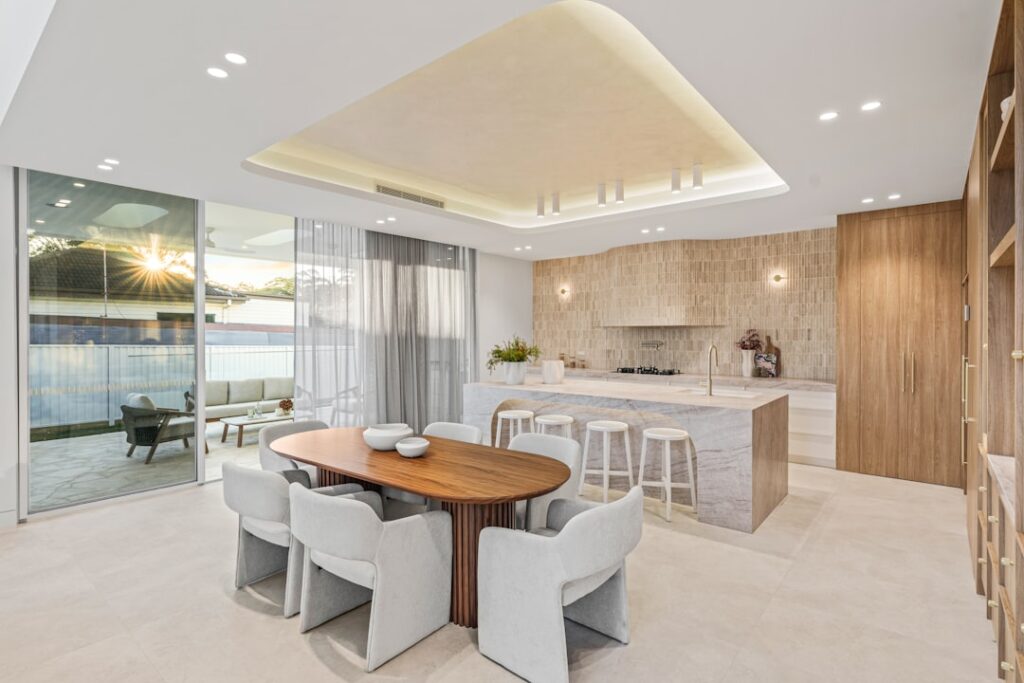
Countertop chairs, also called counter-height stools, are the seating designed specifically for kitchen islands, peninsulas, and counters that sit higher than a standard table. Getting the height right is the single most important decision, because a stool that is even an inch or two off makes the seating awkward and uncomfortable to use.
Part of our Countertops guide — explore the full guide →
This guide explains the correct sizing math, the difference between counter and bar height, the materials and back styles available, and how to choose chairs that look great and fit your space. With the right approach, your counter seating becomes a comfortable gathering spot rather than an afterthought.
Counter Height vs. Bar Height
The most common mistake is confusing counter height with bar height. They are not the same, and using the wrong stool leaves seating either cramped or perched too high. Counter-height stools are made for standard kitchen counters, while taller bar stools suit raised bar tops.
- Counter-height stools: Seat height of about 24 to 27 inches, made for counters around 36 inches tall.
- Bar-height stools: Seat height of about 28 to 33 inches, made for bars around 40 to 42 inches tall.
- Extra-tall (spectator) stools: Seat height of about 33 to 36 inches for very high counters.
Always confirm whether your surface is counter or bar height before shopping. The label on the stool will usually state its intended use.
How to Measure for the Right Fit
The comfort formula is simple: leave about 9 to 12 inches between the top of the seat and the underside of the counter. That gap gives your legs room to sit comfortably without knocking your knees. To find the ideal seat height, measure your counter’s height and subtract 10 to 12 inches.
For a standard 36-inch counter, that points to a seat height around 24 to 26 inches. Also plan the width: allow roughly 26 to 30 inches of counter space per stool so people are not bumping elbows. Measuring before you buy prevents the most common returns.
Popular Materials
Material affects durability, comfort, and how the chairs fit your kitchen’s style. Each option has clear strengths.
- Wood: Warm and classic, durable, and easy to match to cabinetry or tables.
- Metal: Sturdy and modern, often in matte black, brass, or brushed steel, great for industrial looks.
- Upholstered: Cushioned seats and backs add comfort for long sits, though fabric needs more cleaning.
- Faux leather and vinyl: Easy to wipe down, ideal for kitchens with kids and frequent spills.
- Rattan and woven: Light, textured, and on-trend for coastal and boho kitchens.
Back Styles and Features
The back style shapes both comfort and the visual weight of the seating. Backless stools tuck fully under the counter, save space, and keep sightlines open, but offer no back support for longer sits. Low-back and full-back stools provide more comfort, which matters if people linger over meals or homework.
Consider extra features too. A footrest is essential for comfort on counter-height seating, swivel seats add convenience, and adjustable gas-lift stools let one chair work for different counter heights. For busy households, look for sturdy frames rated for everyday use and seats that resist stains.
Choosing a Style That Fits Your Kitchen
Coordinate your stools with the kitchen’s overall design rather than matching everything exactly. In a modern kitchen, sleek metal or molded stools reinforce clean lines, while a farmhouse kitchen suits wood or woven seats. Upholstered stools in a neutral fabric soften an open-concept space that flows into a living area.
Think about scale, as well. Slim, armless stools keep a small island from feeling crowded, while substantial upholstered chairs anchor a large island and make it feel like a destination. Odd numbers of stools, such as three at an island, often look more relaxed than a rigid pair.
Comfort and Durability Considerations
For seating people actually use, comfort details add up. A contoured or padded seat makes a big difference during longer sits at breakfast or homework time, while a flat, hard seat is fine for quick perches. A footrest is essential at counter height, since dangling feet quickly become uncomfortable; check that the rest is positioned at a natural leg angle.
Durability matters just as much in a busy kitchen. Look for sturdy joinery, a stable base that does not wobble, and a weight rating that suits the adults in your home. Stain-resistant or wipeable seats in vinyl or performance fabric save headaches where spills are common. For homes with hard floors, felt pads or rubber feet protect both the floor and the chair legs from scuffs.
Caring for Your Countertop Chairs
A little routine care keeps counter stools looking new and working safely for years. Wipe wood and metal frames regularly with a soft cloth, and address spills on upholstered seats quickly before they set. Check and tighten any bolts or screws every few months, since constant use loosens hardware over time and a wobbly stool is a safety risk.
For swivel and gas-lift stools, keep the moving mechanism clean and free of crumbs, and avoid exceeding the weight rating, which strains the lift cylinder. Position stools out of direct, all-day sunlight where possible, since strong UV can fade fabric and certain finishes. With this minimal upkeep, quality stools easily last through years of daily meals and gatherings.
Spacing and Layout Tips
Proper spacing keeps the seating comfortable and functional. Plan for each stool using the guidelines below so people can sit, slide in, and get up without crowding.
- Allow 26 to 30 inches of width per stool, measured center to center.
- Leave at least 24 inches of knee depth under the overhang for legs.
- Ensure a clear walkway of at least 30 to 36 inches behind seated stools.
- For islands, confirm the counter overhang is deep enough, ideally 12 to 15 inches, to seat people comfortably.
If your overhang is shallow, look for stools that tuck mostly underneath or consider extending the counter for proper legroom.
Final Thoughts
Choosing the right countertop chairs comes down to matching the seat height to your counter, leaving the proper clearance, and picking a style and material that suit your kitchen and lifestyle. Measure before you buy, plan adequate spacing between stools, and prioritize comfort features like footrests. Get the fit right and your counter becomes a welcoming spot for meals, homework, and conversation.