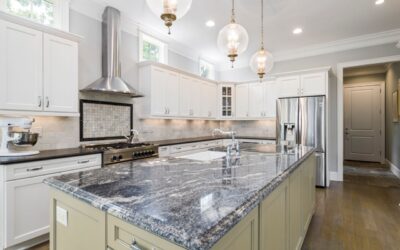
New countertops can transform a kitchen, but they can also swallow $3,000 to $6,000 in a hurry. Timing your purchase around a genuine countertop sale can shave hundreds or even thousands off that total, provided you know how to tell a real bargain from a marketing gimmick. Not every advertised discount is what it seems, and the flashiest promotions sometimes hide inflated base prices. Here is how to shop smart and pocket real savings.
Part of our Countertops guide — explore the full guide →
- When Countertop Prices Actually Drop
- Understanding What Is on Sale
- Remnants: The Best-Kept Secret
- Spotting a Fake Deal
- Which Materials Go on Sale Most
- Negotiating Beyond the Advertised Price
- Timing Your Project Around the Deal
- Financing and Package Deals
- Watch the Material Grade
- Making the Sale Work for You
When Countertop Prices Actually Drop
Retailers and fabricators run their deepest discounts on a predictable calendar. The slowest stretches for kitchen remodeling are late fall and mid-winter, roughly November through February, when demand cools and shops are eager to keep crews busy. That is when you tend to see the most aggressive pricing.
Holiday weekends drive the loudest promotions. Memorial Day, Labor Day, Fourth of July, and Black Friday all bring countertop sales at big-box stores and independent fabricators alike. End of quarter and end of year also matter, since some companies discount to hit sales targets before the books close.
Understanding What Is on Sale
A countertop sale can mean very different things, and the wording matters. Some promotions discount the material only, while others bundle in fabrication, edging, or an undermount sink. A headline that screams “50 percent off” often applies to the slab price, not the installed total, which includes labor that rarely goes on sale.
Always ask for the full installed price before and after the discount. That single comparison cuts through most marketing fog. A modest-sounding “$500 off your project” can actually beat a splashy percentage discount once you account for what each one really covers.
Remnants: The Best-Kept Secret
If your project is small, remnants are where the deepest value hides. Fabricators keep leftover pieces from larger jobs, and these offcuts often sell for 30 to 60 percent below full-slab pricing. A bathroom vanity, a small island, a laundry room counter, or a bar top can frequently be cut from a single remnant.
Call local shops and ask to browse their remnant racks in person. You may find premium quartz or exotic granite at a fraction of the original cost simply because the piece was too small for the job it came from. For compact spaces, this beats almost any advertised sale.
Spotting a Fake Deal
Not every discount is honest. Some shops quietly raise the base price before a sale so the marked-down number looks better than it is. Others advertise a rock-bottom price on an entry-level material to lure you in, then upsell aggressively once you are in the showroom.
Protect yourself with a few habits:
- Get written quotes from at least three fabricators for the same material and scope
- Compare installed prices, not raw slab or percentage claims
- Confirm exactly which color grades and thicknesses the sale price covers
- Watch for add-ons like edging, cutouts, and removal that get billed separately
Three competing bids reveal the true market price faster than any advertisement.
Which Materials Go on Sale Most
Quartz and granite anchor most countertop promotions because they are the highest-volume sellers. Popular neutral colors, whites, grays, and speckled browns, are the ones you will most often see discounted, since shops stock them in depth and can move inventory quickly.
Exotic materials like premium marble, porcelain slab, and rare granite rarely see steep discounts because supply is limited and demand is steady. If you have your heart set on a dramatic exotic, budget closer to full price and put your sale-hunting energy toward the labor and add-ons instead.
Negotiating Beyond the Advertised Price
Even during a sale, there is usually room to negotiate. Fabricators would rather book your job than lose it to a competitor, so use your competing quotes as leverage. Politely mention that another shop quoted less for the same material and ask whether they can match or beat it.
You can also negotiate the extras. Ask them to include a free undermount sink, waive the old-countertop removal fee, or throw in an upgraded edge profile. These add-ons cost the shop little but represent real value to you, and they are often easier to secure than a lower per-square-foot rate.
Timing Your Project Around the Deal
The catch with a great sale price is scheduling. Slow-season discounts exist precisely because installers have open calendars, so book early in the promotional window to lock in both the price and a convenient install date. Waiting until the last day of a sale often means the deal is honored but the calendar is full for weeks.
Have your measurements, sink, and cabinet plans ready before you shop so you can move quickly when you find the right offer. Fabricators reward decisive, prepared customers, and being ready lets you jump on a genuine bargain the moment it appears.
Financing and Package Deals
Sales are not the only way to lower your effective cost. Many retailers pair promotions with special financing, such as 12 or 18 months with no interest, which can make a premium material affordable on a monthly basis. Just confirm the terms, because deferred-interest plans charge back all the accrued interest if you miss the payoff window.
Package deals are another avenue worth exploring. Some kitchen remodelers bundle countertops with cabinets, sinks, or backsplash installation at a combined discount that beats buying each piece separately. If you are already planning a fuller remodel, ask whether bundling the countertop into a larger scope unlocks a better overall price than a standalone counter sale.
Watch the Material Grade
Here is a trap that catches many bargain hunters: the advertised sale price often applies only to a specific, lower-priced color grade. Granite and quartz are sorted into grades or groups, and the eye-catching colors you actually want frequently sit in a higher, pricier tier that the promotion does not cover.
Before you get excited about a headline figure, ask exactly which colors and groups the sale price includes. Then confirm the grade of the specific slab you love. It is common to fall for a stone in the showroom only to learn it costs 30 percent more than the advertised starting price. Knowing the grade up front keeps your budget honest and prevents an unwelcome surprise at the quote stage.
Making the Sale Work for You
The smartest way to approach a countertop sale is to treat the advertised discount as a starting point, not the finish line. Gather multiple installed-price quotes, check remnant racks for small jobs, verify what the promotion actually covers, and negotiate the extras. Combine those tactics and you will consistently beat the sticker.
Above all, stay patient and avoid high-pressure decisions. Salespeople sometimes push a limited-time offer to close a deal quickly, but a genuine bargain rarely evaporates the moment you leave the showroom. Take your quotes home, run the numbers on the installed totals, and sleep on it before committing to several thousand dollars of new countertops. Comparing three itemized bids side by side almost always reveals which shop is offering the real value versus which is dressing up an ordinary price with a splashy discount. A little discipline in the shopping phase translates directly into dollars saved.
Do the homework, and the right countertop sale becomes a genuine opportunity to get a premium surface in your kitchen for meaningfully less than full price, without sacrificing the quality or the professional installation that makes it last.